
How To
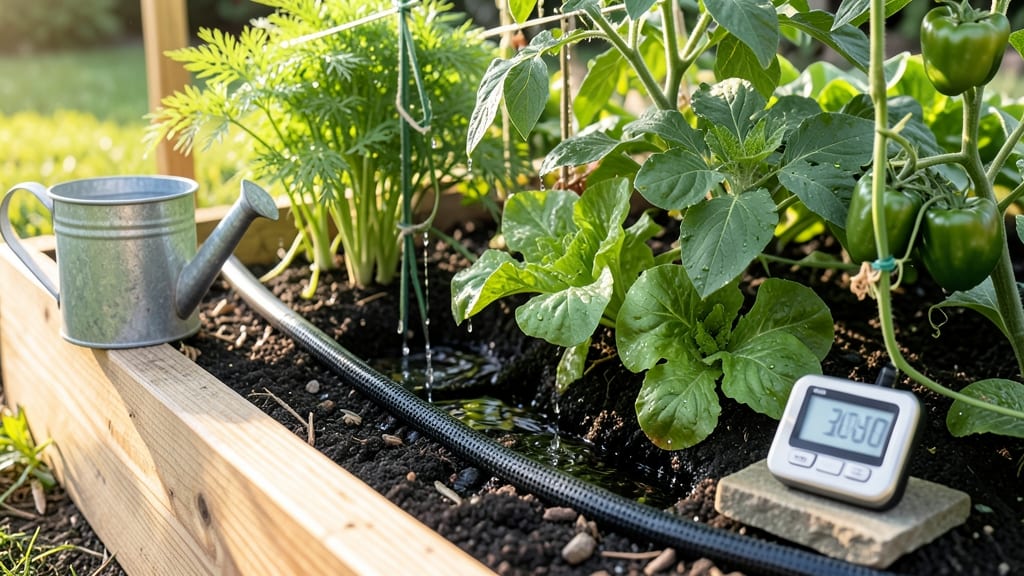
Leaving a soaker hose on your vegetable garden for the right amount of time can mean the difference between thriving plants 🥬 and wasted water.
Struggling to balance watering your vegetable garden without drowning roots or wasting water? A soaker hose can be a game-changer—but timing is everything. Too short, and your plants thirst; too long, and you risk root rot or runoff.
Most gardeners aim for 30 minutes to 2 hours per session, but the perfect runtime depends on soil type, plant needs, and even the weather. Sandy soil drains fast, while clay holds moisture longer—so your hose might need 15 minutes in one spot or 60 minutes in another.
Below, I’ll break down the science-backed runtime for different crops, how to adjust for heatwaves or droughts, and the telltale signs you’re over- or underwatering. No guesswork—just efficient, root-boosting hydration.
Optimal soaker hose runtime by plant type and soil conditions
A soaker hose delivers water directly to roots, but runtime varies dramatically based on your garden’s needs. Leafy greens like lettuce or spinach need frequent, shallow watering, while deep-rooted carrots or tomatoes require longer, deeper soaks.
Soil type plays a critical role too—sandy soil drains fast, while clay soil holds moisture longer. Let’s break down the science to water efficiently without waste.
Start by grouping plants by their water needs. Leafy greens (e.g., kale, Swiss chard) and herbs (basil, cilantro) prefer shorter runtimes (15–30 minutes), while fruiting plants (tomatoes, peppers) and root crops (carrots, potatoes) need longer sessions (45–90 minutes).
Adjust based on seasonal heat—summer often demands 20–30% more runtime than spring or fall.
Soil type dictates how long to run your hose. In sandy soil, water penetrates quickly, so you may need 2–3 watering sessions per day during peak heat. In clay soil, a single 60–90 minute session might suffice, as moisture lingers.
Always check soil moisture 2 inches deep—if it’s dry, extend runtime by 10–15 minutes.
Here’s your customizable runtime guide for common vegetable groups, accounting for soil and seasonal shifts:
For deep-rooted plants like asparagus or artichokes, extend runtime to 90–120 minutes in sandy soil, as their roots can reach 3–5 feet deep. In clay soil, reduce by 20–30 minutes to avoid waterlogging. Always water in the morning to prevent fungal diseases—even if you’re using a soaker hose.
Monitor your garden’s response by checking soil moisture daily. Stick your finger 2 inches deep
Signs your soaker hose is overwatering or underwatering (and how to fix it)
A soaker hose is a gardener’s best friend for delivering water directly to roots, but even the best tools can backfire if you don’t monitor them closely. Overwatering or underwatering with a soaker hose happens more often than you’d think—especially when you’re juggling a busy garden.
The key is learning to read your plants’ signals and adjusting your watering schedule before problems arise.
Start by checking the soil surface after watering. If it’s crusty or muddy, you’re likely overdoing it. On the flip side, if the top inch of soil feels bone-dry between waterings, your hose isn’t running long enough.
These visual and tactile cues are your first warning signs that something’s off with your soaker hose runtime.
🚨
⚠️ Critical Fix: The 30-Minute Rule for Vegetable Gardens
Most vegetable gardens need 15-30 minutes of soaker hose runtime per session, but this varies by soil type and plant needs. Start with 20 minutes, then adjust based on these signs:
- Sandy soil: 10-15 minutes (water drains fast)
- Clay soil: 25-30 minutes (water lingers longer)
- Heatwave: Add 5-10 minutes (evaporation increases)
💡 Pro Tip: Bury the hose 2-3 inches deep for even moisture distribution.
Yellowing leaves are a classic red flag, but they don’t always mean overwatering. If the lower leaves turn yellow while the upper leaves stay green, your plants are likely overwatered. However, if the entire plant wilts and the soil feels dry, you’re underwatering.
Pay attention to the leaf texture—soft, mushy leaves scream root rot, while crispy, dry edges signal thirst.
Mold or fungus on the soil surface is another dead giveaway. If you see white or gray fuzz near the base of your plants, your soaker hose is creating a damp, fungal-friendly environment.
This often happens when the hose runs too long or isn’t elevated properly, leaving water pooling at the roots. To fix it, reduce runtime by 50% and consider adding mulch to improve airflow.
Don’t ignore wilting patterns either. Plants that wilt in the morning but perk up by afternoon are likely underwatered. If they stay wilted all day, it could be a sign of overwatering or poor drainage.
Test your soil’s moisture by sticking your finger 2 inches deep—if it’s damp, cut back on watering. If it’s dry, extend your soaker hose session by 5-10 minutes.
For a quick fix, check your hose’s flow rate by placing a bucket under it and timing how long it takes to collect 1 gallon of water. A standard soaker hose should deliver 1-2 gallons per hour per 100 feet.
If it’s flowing too fast or too slow, adjust the water pressure or replace the hose. Amending your soil with compost can also help—better soil holds moisture longer, reducing the need for frequent watering.
When in doubt, observe your plants daily and keep a watering journal. Note the runtime, soil type, and weather conditions each time you water. Over time, you’ll spot patterns and fine-tune your soaker hose schedule for perfectly hydrated vegetables—no guesswork required. 🌱