
Light Requirements
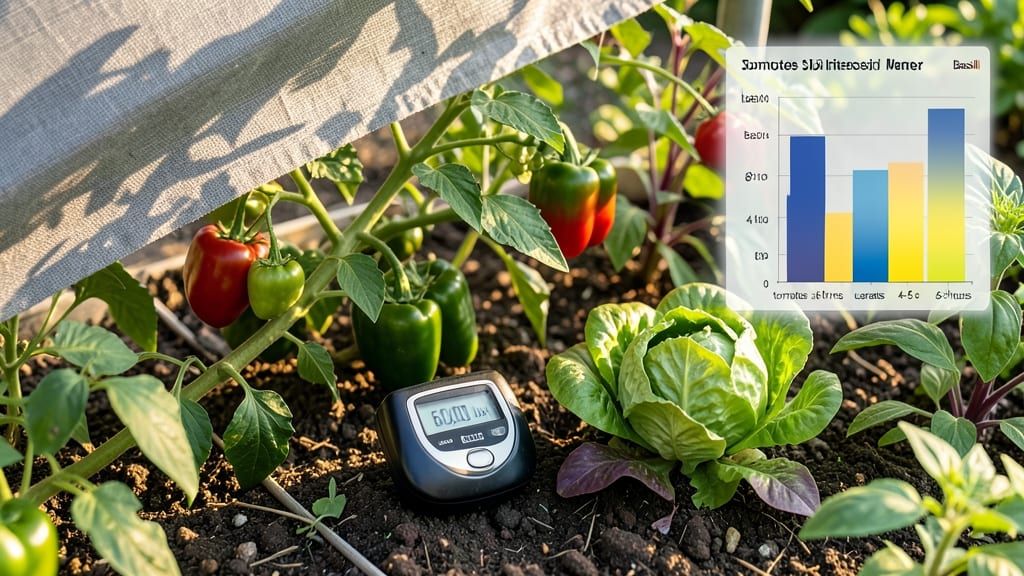
A vegetable garden needs between 6 and 8+ hours of sunlight daily to thrive, though some crops like leafy greens can handle as little as 3-4 hours—get this wrong, and you’ll watch your harvests fail before they even start.
Struggling to decide where to plant your tomatoes—or why your lettuce keeps bolting? Sunlight is the single most critical factor in vegetable garden success, yet most gardeners get it wrong. Too little, and your plants stretch pitifully toward the sky; too much, and they scorch in Zone 6a’s summer heat.
Not all vegetables have the same needs—tomatoes and peppers demand full sun (8+ hours), while herbs and greens can adapt to partial shade.
Below, I break down the exact ranges for your favorite crops, how to measure sunlight in your garden, and the 3 biggest mistakes that ruin yields before they begin.
You’ll learn how to map your garden’s sunlight hotspots, tweak plant placement for mixed-light conditions, and even salvage crops when summer shade creeps in. No more guessing—just a clear, actionable plan to maximize every harvest.


Sunlight requirements by vegetable type: full sun vs partial shade breakdown
Understanding how many hours of sunlight your vegetable garden needs is the first step to a thriving harvest. Most vegetables thrive in 6 to 8 hours of direct sunlight daily, but some tolerate partial shade (3-6 hours).
Getting this wrong can mean the difference between a bumper crop and wasted effort. For example, your tomatoes and peppers demand full sun, while leafy greens like spinach can handle more shade.
I’ve planted tomatoes in partial shade before and watched them produce half the fruit compared to their sun-soaked siblings. That’s why knowing your garden’s microclimates—like the difference between morning sun and afternoon shade—is crucial. Let’s break down the sunlight needs by vegetable type so you can place each plant perfectly.
| Vegetable | Sunlight Needs | Yield Impact | Best Placement |
|---|---|---|---|
| Tomatoes | 8+ hours (full sun) | Poor fruit set, smaller tomatoes | South-facing beds, trellises |
| Peppers | 6-8 hours (full sun) | Slower growth, fewer peppers | Containers in sunny spots |
| Cucumbers | 6-8 hours (full sun) | Bitter taste, fewer cucumbers | Trellises for vertical growth |
| Leafy Greens (Spinach, Lettuce) | 3-6 hours (partial shade) | Bolting, bitter flavor | North-side beds, under taller plants |
| Carrots | 4-6 hours (partial sun) | Stunted growth, poor flavor | Morning sun, afternoon shade |
| Basil | 6+ hours (full sun) | Leggy stems, weak flavor | Containers near patio furniture |
| Green Beans | 6-8 hours (full sun) | Slower pod production | Trellis for vertical growth |
| Onions | 4-6 hours (partial sun) | Smaller bulbs, poor flavor | Edges of garden beds |
Notice how tomatoes and peppers require the most sunlight—8+ hours—while leafy greens like spinach and lettuce can thrive with just 3-6 hours. This is why I always group my high-sun crops together in the south-facing part of my garden.
If you’re working with limited space, consider vertical gardening for sun-lovers like cucumbers and beans.
For partial shade lovers, like carrots and onions, I’ve found that morning sunlight followed by afternoon shade works best. These crops often struggle in intense afternoon heat, which can cause them to bolt or develop bitter flavors.
If you’re growing herbs like basil, place them where they get at least 6 hours of sun—otherwise, they’ll stretch toward the light and lose their flavor.
One common mistake I see is assuming all vegetables need full sun. While it’s true that most do, some—like radishes and kale—can handle 4-6 hours and even perform better in cooler, shadier conditions.
This is especially useful if you’re growing in a hot climate where afternoon shade can prevent wilting.
If your garden has <
How to measure sunlight in your garden and adjust plant placement
Sunlight isn't just about morning vs. afternoon—it's about total daily exposure and how it changes with seasons. Many gardeners assume their space gets 6+ hours of sun when it might only receive 3-4, leading to underperforming crops.
The key is tracking sunlight accurately before planting, not guessing based on general descriptions.
Start by observing your garden for a full week using a simple DIY method. Place a white stake or flag in each potential planting spot and mark shadows with a permanent marker every hour (e.g., 8 AM, 12 PM, 4 PM).
This reveals microclimates—areas that might get overlooked, like the north side of your fence or under trees.
📌 Styled-List: Sunlight Tracking Methods for Your Garden
- 🌞 DIY Shadow Tracking: Place stakes and log shadows for 1 week to map 3-6+ hours zones.
- ☀️ Sunlight Calculator: Use apps like Sun Surveyor or Gardenate for precise hourly data.
- 📱 Phone Light Meter: Apps like Light Meter measure lux levels (full sun = 10,000+ lux).
- 🌳 Observe Seasonal Shifts: Summer sun ≠ winter sun—note solstice differences (e.g., 20% less light in December).
- 🌿 Test with Plants: Grow basil (full sun) and spinach (partial shade) as natural indicators.
Once you've mapped your garden, group plants by sunlight needs. For example, place tomatoes and peppers (8+ hours) in the sunniest spots, while lettuce and kale (4-6 hours) can tolerate partial shade.
Use reflective mulch (like silver plastic) to redirect light to shaded areas, boosting exposure by up to 10-15%.
For mixed-sunlight conditions, consider vertical gardening. Trellises for cucumbers or pole beans can stretch into shadier corners, while dwarf varieties (like bush beans) thrive in containers moved to sunnier spots as needed. This flexibility lets you maximize space without sacrificing yield.
Don't forget to adjust for seasonal changes. In summer, your garden might get 10+ hours of sun, but winter days could drop to just 4. Use seasonal shade cloth (30-50%) for heat-sensitive crops like spinach or peas during peak sun months.
By measuring sunlight accurately and adjusting plant placement, you'll avoid common pitfalls like bolting greens or blossom-end rot in tomatoes. Start small—test one bed this season—and watch your harvests improve dramatically! 🌱