
Fertilization
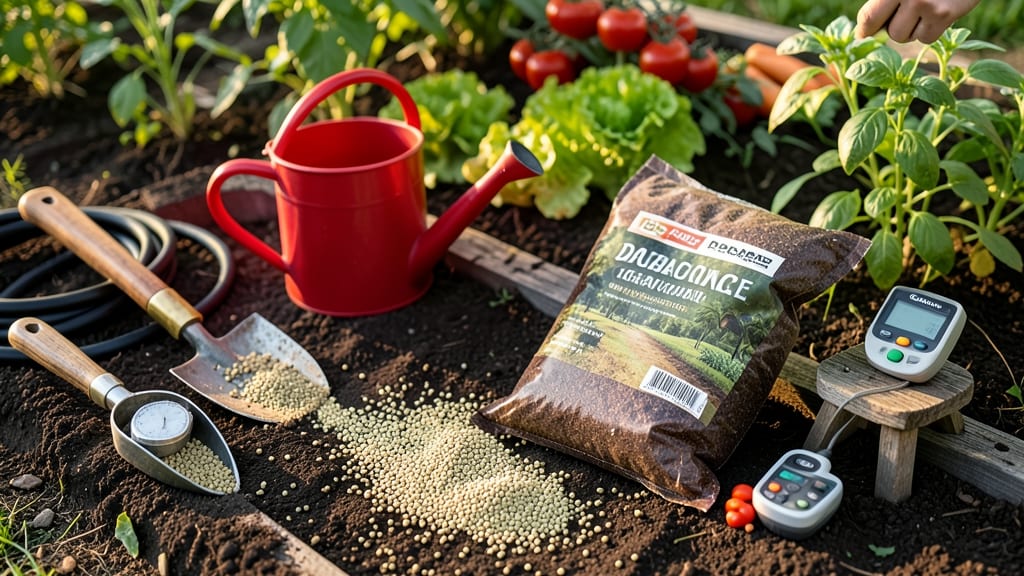
To determine how much fertilizer for garden, calculate based on plant type, soil test results, and NPK ratios—typically use 1 pound of nitrogen per 100 square feet for lawns, ½ pound for vegetables, and follow package directions for flowers/shrubs. Always adjust rates according to soil analysis to prevent overapplication.
Calculating the right amount of fertilizer for your garden isn't just about following general guidelines—it's about matching your plants' needs with what your soil already provides.
A soil test reveals critical details like nitrogen levels, pH balance, and phosphorus availability, which directly impact how much you should apply. 🌱 For instance, tomatoes thrive with ½ pound of nitrogen per 100 square feet but may need extra potassium, while roses benefit from a balanced 10-10-10 formula applied every 6 weeks.
The key is precision: too little slows growth, while too much can burn roots or pollute groundwater. I always recommend starting with a soil test kit (around $20) before buying fertilizer—it's the best way to avoid costly mistakes.
Another factor to consider is fertilizer type. Synthetic granules release nutrients quickly but require more frequent applications, while organic options like composted manure break down slowly, feeding plants over time. For example, a slow-release 18-6-12 fertilizer might last 8-12 weeks, while liquid fish emulsion needs reapplied every 4 weeks.
Always check the label's "application rate" and adjust based on your plants' growth stage—young seedlings need less than mature plants. The goal is to feed your garden efficiently without wasting resources.
💡 In This Article
- Understanding Soil Test Results for Fertilizer Application
- Plant-Specific Fertilizer Application Guide
Understanding soil test results for fertilizer application
Soil tests reveal three critical numbers—nitrogen (N), phosphorus (P), and potassium (K)—that determine your garden's fertilizer needs. These values are measured in parts per million (ppm), with ideal ranges varying by plant type.
For example, lawns typically need 30-50 ppm nitrogen for lush growth, while vegetables like tomatoes thrive with 20-40 ppm phosphorus for strong root development. The test also shows pH levels, which affect nutrient availability—most plants prefer 6.0-7.0, but blueberries need 4.5-5.5 for optimal iron uptake.
Nutrient ratios on fertilizer labels (like 10-10-10) indicate the percentage of N-P-K by weight, but soil test results tell you exactly how much to apply. A high phosphorus reading might mean you need less P-based fertilizer, while a low nitrogen level could signal the need for extra urea or ammonia.
Organic fertilizers, like compost or bone meal, release nutrients slowly, so you'll need more frequent applications compared to synthetic granules that dissolve quickly. For instance, a 5-10-5 organic fertilizer might require 2-3 applications per season, while a 20-5-10 synthetic blend could be applied just once.
Timing matters too—soil tests often include seasonal recommendations. For example, cool-season grasses need more nitrogen in early spring, while warm-season plants like peppers benefit from phosphorus-heavy feeds during flowering.
The test report might also flag micronutrient deficiencies (like zinc or magnesium), which require specialized fertilizers at much lower rates—usually 0.5-2 pounds per 100 square feet. Ignoring these details can lead to stunted growth or leaf discoloration, even with "correct" NPK amounts.
Here's how to interpret common soil test ranges:
- Nitrogen (N): Low (<20 ppm) – Use ½ pound per 100 sq ft of ammonium sulfate; High (>60 ppm) – Reduce applications by half
- Phosphorus (P): Low (<20 ppm) – Apply 1 pound per 100 sq ft of bone meal; Medium (20-40 ppm) – Use sparingly
- Potassium (K): Low (<100 ppm) – Use 1.5 pounds per 100 sq ft of greensand; Balanced (100-200 ppm) – Follow label rates
One common mistake is assuming all plants need the same NPK blend. For example, vegetables often require more phosphorus for fruiting, while flowers benefit from higher potassium for vibrant blooms. A soil test helps you tailor your approach—like using a 5-10-10 mix for tomatoes but a 10-5-20 blend for roses.
The goal is to match the fertilizer's nutrient release pattern with your plants' growth stages.
Pro tip: Save your soil test report and re-test every 2-3 years—nutrient levels change with rainfall, erosion, and plant uptake. Over time, you'll develop a precise fertilizer schedule that keeps your garden thriving without waste. 🌿