
Light Requirements
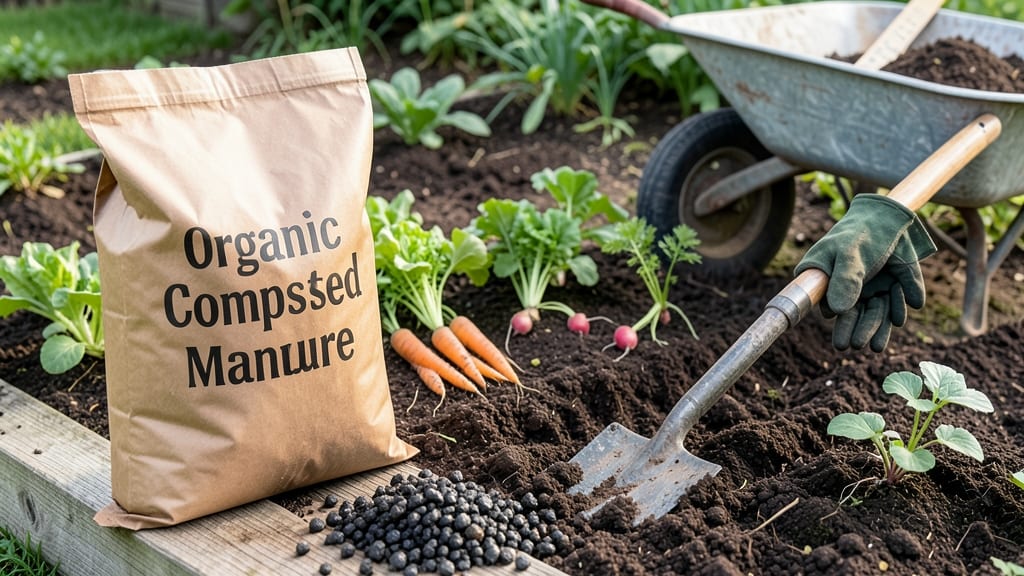
To determine how much manure to add to garden soil, start with 1 part fresh manure to 25 parts soil (or 1 part composted to 10 parts soil) for vegetables. Fruit trees require 10-20 pounds per plant annually, and always mix thoroughly to prevent root damage. Adjust these ratios based on your soil type and plant needs.
Manure acts as a natural fertilizer, but its potency varies drastically depending on whether it's fresh or composted. 🌱 Fresh manure is stronger but risks burning plants if overused, while composted manure provides steady nutrients without harm.
For example, sandy soils drain quickly, so you might need slightly more manure to retain moisture and nutrients, whereas clay soils hold nutrients well and may require less. Always conduct a soil test first to avoid over-fertilizing, which can lead to nutrient runoff or plant stress.
Timing matters too—spring applications work well for cool-season crops, while fall applications benefit from winter breakdown. For lawns, spread a thin layer (¼ inch) of composted manure and lightly rake it in to avoid clumping.
Remember, a little goes a long way: overdoing it can harm your plants rather than help them thrive.
💡 In This Article
- Manure-to-Soil Ratios by Plant Type and Soil Condition
- Step-by-Step Guide to Applying Manure Safely in Gardens
Manure-to-soil ratios by plant type and soil condition
The key to understanding manure ratios lies in nitrogen availability and soil composition. Fresh manure contains high levels of ammonium nitrogen (up to 0.5% by weight), which can burn plant roots if not properly aged.
That’s why the 1:25 ratio (1 part fresh manure to 25 parts soil) exists—it dilutes the concentration while still providing nutrients. Composted manure, which has undergone 3-6 months of decomposition, is gentler but still potent, requiring only a 1:10 ratio because its nitrogen has stabilized into plant-available forms.
Soil type dramatically alters these ratios. Sandy soils, with their low nutrient retention, may need 10-15% more manure to compensate for rapid drainage, while clay soils—dense and nutrient-rich—can handle 10-20% less.
For example, a 100-square-foot vegetable bed in sandy soil might require 2-3 cubic feet of composted manure, whereas the same bed in clay soil could use just 1-1.5 cubic feet.
Always test soil pH first; acidic soils (pH 5.5 or lower) need extra lime before adding manure to prevent nutrient lockout.
Different plants have unique needs. Leafy greens like lettuce and spinach thrive with 1 part composted manure to 8 parts soil due to their high nitrogen demand, while fruiting plants (tomatoes, peppers) prefer 1:12 ratios to avoid excessive leaf growth at the expense of fruit.
Fruit trees, with their deep root systems, benefit from 10-20 pounds per plant annually, spread in a 3-foot-wide band around the drip line—not the trunk—to encourage root expansion. 🌳
Over-application risks more than just burned roots—it can lead to nitrate leaching, harming groundwater and local ecosystems. A simple visual check helps: if your soil smells strongly of ammonia after mixing, you’ve overdone it.
For sensitive plants like blueberries or azaleas, reduce ratios by 50% since they prefer acidic conditions where high nitrogen would disrupt their natural chemistry.
Seasonal timing also affects ratios. Spring applications for cool-season crops (kale, carrots) can use slightly higher ratios (1:15 for composted manure), as plants grow rapidly when temperatures rise. Fall applications, however, should use 1:20 ratios to allow winter microbes time to break down nutrients before spring planting.
Always water thoroughly after application to activate microbial activity and prevent nutrient loss.
For lawns, think in thin layers: ¼ inch of composted manure spread evenly over 1,000 square feet provides enough nutrients without smothering grass. The key is consistency—monthly top-dressing with ½ pound of manure per 100 square feet maintains soil health without shocking the turf. 🌿