
Watering
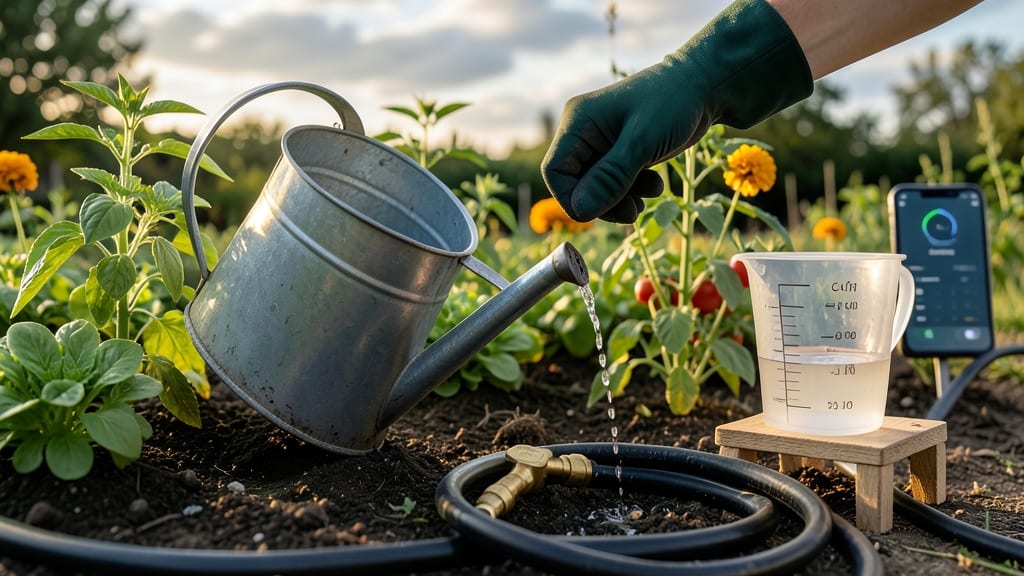
Watering your garden the right amount keeps your 🌱 thriving without wasting a drop—most gardeners guess, but the truth is, soil type, plant needs, and weather demand a precise approach.
Overwatering or underwatering your garden can stifle growth and even kill your plants—yet most gardeners don’t know the exact soil-specific watering rules that make the difference between thriving and struggling plants.
Think about it: clay soil holds water for days, while sandy soil drains in hours. A tomato plant wilts faster than a hosta, and summer heat changes everything. Below, I’ll break down how to match your watering to your garden’s needs—down to the inch.
You’ll learn how deep to water, when to adjust for rain or drought, and the 3 tools that take the guesswork out of it. No more soggy roots or parched leaves—just healthy, happy plants that grow exactly as they should.


Soil type watering guide: how deep and how often to water different gardens
Your garden's soil type determines how often and how deeply you need to water—sandy soil drains fast, while clay soil holds moisture for days. Even loamy soil, the gardener's gold, has its own rhythm.
Ignoring these differences can lead to root rot or stunted growth, so let's dive into the science of soil-specific watering.
First, understand that watering depth matters more than frequency. Most plants need water to reach their root zone, which can extend 6-12 inches deep depending on the plant.
Shallow watering encourages shallow roots, making plants vulnerable to drought. Let’s break down the watering needs by soil type to keep your garden thriving.
Sandy soil drains water like a sieve, so you'll water more often but shallower—think every 1-2 days with 1-2 inches of water. Clay soil, on the other hand, acts like a sponge, holding water for weeks and requiring deeper soaks every 7-10 days. Loamy soil strikes the perfect balance, needing water every 3-5 days with 1-1.5 inches of water.
To test your soil moisture, stick your finger 1-2 inches deep after watering. If it feels dry, it's time to water.
For deeper checks, use a soil probe or screwdriver—if it slides in easily, your soil is too wet. Morning watering is ideal because it reduces evaporation and gives plants a full day to absorb moisture before nightfall.
Adjust your schedule based on weather conditions. During hot, dry spells, sandy soil may need watering daily, while clay soil can go longer between drinks. Conversely, after heavy rain, skip watering entirely to avoid waterlogged roots.
Mulching with straw or wood chips helps retain moisture and regulate soil temperature, reducing your watering workload by up to 30%.
For container gardens, the rules change slightly. Pots dry out faster, so water when the top 1 inch of soil feels dry.
Use well-draining potting mix to prevent root rot, and consider self-watering containers for consistency. Herbs like basil and vegetables like tomatoes thrive with frequent, shallow watering, while succulents need rare, deep soaks.
Don’t forget that seasonal changes affect watering needs. In spring and fall, most gardens need less water, while summer heat demands more frequent hydration. Observe your plants—wilting leaves often signal thirst, but yellowing leaves may mean overwatering. Balance is key to a healthy, vibrant garden.
Pro tip: Group plants with similar watering needs together in your garden layout. For example, place drought-tolerant lavender near succulents and keep them separate from water-loving hostas. This hydrozoning approach saves time and ensures every plant gets the right amount of water.
Start with these guidelines, but don’t hesitate to tweak based on your garden’s unique conditions. The more you observe, the better you’ll understand your soil’s personality—and your plants will thank you with lush, thriving growth.
The 5 signs your garden needs water (and when to hold back)
Your garden sends clear signals when it's thirsty—or drowning. Yellowing leaves, wilted stems, and dry soil cracks are the most obvious clues, but subtle shifts in plant behavior reveal the bigger picture. The key?
Learning to read these signs before they turn critical. I’ve spent years watching my garden whisper (and sometimes scream) its water needs, and these five indicators have saved my plants from both drought and rot.
First, check the soil moisture with your finger. Stick it 1-2 inches deep—if it feels dry, your plants need water. But if it’s soggy or smells musty, you’re overdoing it. Clay soil holds moisture longer, while sandy soil drains quickly, so adjust accordingly.
Even experienced gardeners misjudge, so always test before watering again.
💧 5 Signs Your Garden Needs Water (And When to Hold Back)
- 1. Dry Soil: Top 1-2 inches feel bone-dry to the touch. Use a moisture meter for accuracy.
- 2. Wilted Leaves: Midday wilting (leaves droop but perk up at night) = thirst. Permanent wilting = emergency water.
- 3. Cracked Soil: Hard, deep cracks in clay soil mean roots can’t access moisture. Water deeply to break them up.
- 4. Slow Growth: Stunted new leaves or pale stems signal underwatering. Check roots—they should be white and firm, not brown.
- 5. Overwatering Red Flags: Yellow leaves, mushy stems, or fungus gnats mean you’re drowning your plants. Let soil dry 50% between waterings.
Pro Tip: Adjust your schedule by weather (hot days = more water), plant type (succulents need less), and season (winter = less often).
Seasonal shifts change everything. In summer heat, water early in the morning to reduce evaporation and fungal risks. Spring and fall demand less—let nature’s rain do the work.
And in winter dormancy, most plants need barely any water at all. My tomatoes wilted last July until I switched to drip irrigation at dawn—now they thrive.
Don’t ignore plant-specific cues. Herbs like basil droop dramatically when thirsty, while succulents pucker their leaves. Vegetables often show stress by curling or yellowing edges.
I keep a small notebook by my garden to track which plants need what—it’s saved me from losing entire rows of peppers to either drought or rot.
When in doubt, water deeply but infrequently. A 1-inch-per-week rule works for most gardens, but mulch heavily to lock in moisture. I use straw around tomatoes and wood chips for perennials, cutting my watering time in half. The secret? Consistency—plants prefer steady moisture over sporadic soakings.
Finally, trust your instincts. If your garden looks lifeless or unhappy, it’s time to reassess. I once overwatered my roses for weeks before noticing the blackened stems—a classic sign of root rot.
Now, I check soil moisture daily during heatwaves. Your plants will thank you with vibrant blooms and bountiful harvests.