Watering
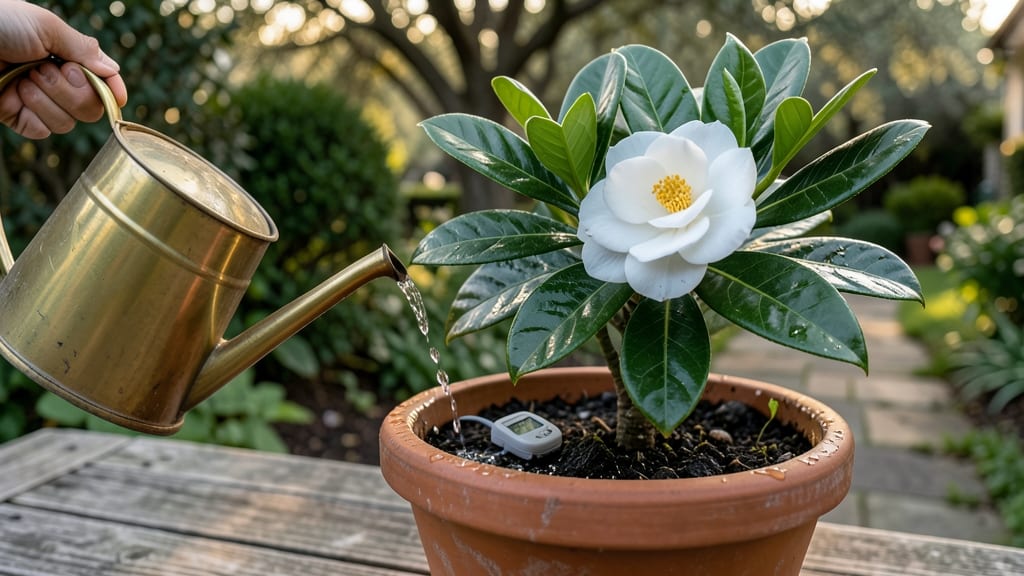
Watering gardenias the right way is the secret to those iconic fragrant blooms—but how much water do gardenias need to thrive? Too much or too little, and you’ll end up with droopy leaves instead of perfume-filled air.
Gardenias are prized for their intoxicating fragrance and glossy foliage—but get the watering wrong, and their delicate blooms will wilt faster than you can say "pruning shears." The key isn’t just how often you water but how deeply and when, since soggy roots or thirsty soil both spell disaster.
In this guide, I’ll break down the weekly watering schedule that keeps your gardenias thriving, from the heat of summer to the chill of winter. You’ll learn how soil type affects their needs, why morning watering matters, and the telltale signs of over- or under-watering before it’s too late.
Whether your gardenias live in containers or the ground, you’ll walk away with a routine that saves time, money, and every last bloom—because nobody wants a shrub that looks like it’s begging for a drink.


Gardenia watering requirements: the science behind their needs
Gardenias thrive in humid, tropical climates where consistent moisture mimics their natural habitat. As native plants to East and Southeast Asia, they’ve evolved to prefer well-drained yet consistently moist soil, but their roots are sensitive to both drought and waterlogging.
Understanding their root zone saturation—typically 60-70% moisture—is key to preventing stress that leads to dropped buds or yellowing leaves.
These shrubs rely on capillary action in the soil to deliver water to their deep root systems. When soil dries out too quickly, roots struggle to absorb moisture, causing wilting within 24-48 hours.
Conversely, soggy soil suffocates roots, leading to root rot and fungal diseases like Phytophthora, which can kill gardenias in as little as 10 days.
The ideal watering threshold for gardenias is 1-2 inches of soil moisture at a 4-inch depth. Use your finger to check: if the top 1-2 inches feel dry, it’s time to water.
For container gardenias, the soil should dry out slightly between waterings, but never completely. Their glossy leaves act as a moisture gauge—dull, drooping foliage signals thirst, while yellowing edges warn of overwatering.
Humidity plays a critical role in watering frequency. In low-humidity environments (below 40%), gardenias lose moisture faster through transpiration, requiring water every 1-2 days.
In high-humidity zones (above 60%), you can stretch watering to every 3-4 days. Use a hygrometer to monitor humidity levels and adjust your schedule accordingly.
Here’s a quick breakdown of their watering science to keep your gardenias blooming:
Container gardenias dry out faster than in-ground plants due to limited soil volume. Their smaller root systems can’t access deep moisture reserves, so they often need water every 1-2 days in summer. To compensate, use larger pots (at least 12-18 inches in diameter) with drainage holes and a moisture-retentive mix of 50% peat moss, 30% perlite, and 20% compost.
Seasonal shifts dramatically alter watering needs. During spring and summer, when gardenias are in active bloom, they demand consistent moisture—think of it as their peak hydration phase. In fall and winter, reduce watering by 50% as growth slows.
A mulch layer (2-3 inches of pine bark or shredded leaves) helps retain soil moisture and mimics their tropical understory habitat.
One of the biggest myths about gardenias is that they’re drought-tolerant. While they can survive brief dry spells, prolonged drought causes bud drop and leaf scorch.
If you’re unsure whether your gardenia is thirsty, lift the pot: if it weighs less than 50% of its saturated weight, it’s time to water. For in-ground plants, use a screwdriver to check soil moisture at 4-inch depth—if it’s dry, water deeply.
Overwatering is just as damaging as underwatering. Signs include yellowing leaves, mushy stems, and blackened roots. If you suspect overwatering, stop watering immediately and repot the plant in fresh, dry soil. For severe cases, trim away rotted roots with sterilized shears and treat with a fungicide like copper sulfate. Prevention is easier: always ensure pots have drainage holes and avoid watering until the top 1-2 inches of soil are dry.
To maximize blooms, pair proper watering with morning sunlight and acidic soil. Gardenias reward consistent care with fragrant blooms and lush foliage—but only if you respect their tropical roots. Stick to these guidelines, and your gardenias will thrive for years with minimal stress.
Weekly watering schedule for gardenias: seasonal adjustments
Gardenias thrive when their watering routine adapts to the changing seasons. Unlike drought-tolerant plants, gardenias demand consistent moisture to fuel their fragrant blooms and lush foliage.
But too much water can drown their delicate roots, while too little causes buds to drop. The key? A seasonal watering schedule that mirrors nature's rhythm.
In spring, when roots revive after dormancy, gardenias need frequent hydration to support new growth. Summer brings intense heat, requiring daily checks to prevent soil from drying out.
Fall slows growth, so we taper back watering. Winter's chill signals dormancy—water just enough to keep roots from drying completely. Let's break down the exact schedule for each season.
- 1 Spring (March-May): Water every 2 days—soil should stay evenly moist but not soggy. Deep watering (1-2 inches) encourages root growth. Signs of overwatering: Yellow leaves, moldy soil. Underwatering: Drooping buds, crispy leaf edges.
- 2 Summer (June-August): Water daily or every other day—check soil daily. Morning watering prevents evaporation. Overwatering signs: Brown leaf spots, root rot. Underwatering: Wilting despite moist soil. Mulch helps retain moisture.
- 3 Fall (September-November): Reduce to every 3-4 days as growth slows. Test soil moisture with your finger—water only if top 1 inch feels dry. Overwatering: Stunted growth, leaf drop. Underwatering: Buds fail to form.
- 4 Winter (December-February): Water every 7-10 days—just enough to prevent wilting. Dormant plants need minimal moisture. Overwatering: Root rot risk. Underwatering: Dry, brittle leaves. Container plants dry faster—check weekly.
Container gardenias dry out faster than in-ground plants, so adjust your schedule accordingly. For potted gardenias, water every 1-2 days in summer and every 5-7 days in winter. Always use well-draining soil and pots with drainage holes to prevent root rot.
If your gardenia's leaves start yellowing or buds drop prematurely, revisit your watering routine—it’s likely a sign of imbalance.
Pro tip: Use a moisture meter or the finger test (insert finger 1-2 inches deep) to gauge soil moisture. Gardenias prefer consistency over saturation—aim for even moisture without waterlogging. With this seasonal guide, your gardenias will reward you with vibrant blooms and lush foliage all year round. 🌸
Remember, gardenias are humidity lovers, so misting leaves occasionally (especially in dry climates) mimics their tropical origins. Pair this watering schedule with acidic soil (pH 5.0-6.0) and partial shade, and you’ve got the perfect recipe for thriving gardenias. 💧