Fertilization
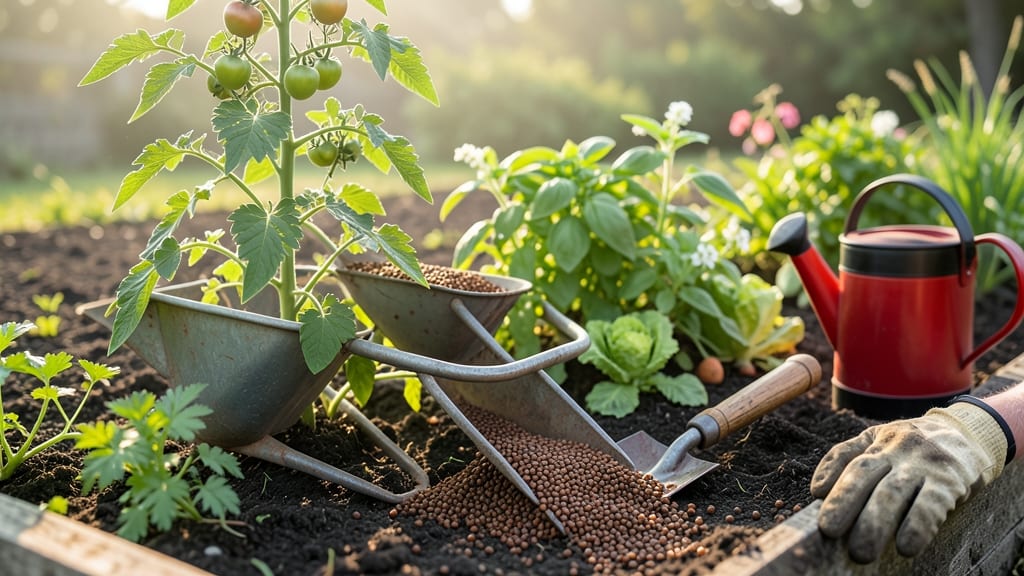
You should fertilize your garden every 4 to 6 weeks during the active growing season—spring through fall—but that’s just the starting point.
Here’s the catch: most gardeners overdo it, thinking more equals better, only to end up with burned roots or stunted growth. The truth? Too much fertilizer can harm your plants faster than pests or drought, and timing depends on what you’re growing—vegetables, flowers, or lawns all have different needs.
In this guide, I’ll break down the best fertilization schedule by plant type, seasonal adjustments for Zone 6a, and how to spot the signs of over- or under-feeding before it’s too late. No guesswork, just science-backed steps to keep your 🌱 General Garden thriving.
You’ll learn when to feed, what type of fertilizer to use (organic vs. synthetic), and how to adjust based on soil health—so you can avoid costly mistakes and enjoy a bountiful harvest.

Fertilization frequency by plant type: vegetables, flowers, and fruits explained
Not all plants crave the same fertilizer schedule—what works for tomatoes can burn roses, while citrus trees need a completely different approach. The key is matching your fertilization timing to each plant's growth cycle and nutritional needs.
For example, leafy greens like lettuce thrive with frequent, light feedings, while fruit trees benefit from slow-release nutrients applied just once or twice a year. Let's break down the science-backed schedules for your garden's star performers.
First, understand that nitrogen-heavy fertilizers (like 10-5-5) fuel rapid growth in vegetables and herbs, while phosphorus-rich (5-10-5) formulations support flowering and root development in plants like petunias. Meanwhile, fruit trees and berries often do best with balanced or potassium-focused feeds (5-5-10) to promote fruiting.
The mistake I see most often? Applying the same fertilizer routine across all plants—this can lead to burnt leaves or poor yields.
Here's a quick rule of thumb: Vegetables need frequent feeding (every 2-4 weeks), flowers prefer mid-season boosts (every 6-8 weeks), and fruit trees thrive with 1-2 annual applications. But timing matters just as much as frequency—most plants should be fed when they're actively growing, not during dormancy or extreme heat.
Let's dive into the specifics with this practical schedule.
For organic fertilizers like compost or manure, I recommend applying them in early spring as a soil amendment rather than a quick feed. These break down slowly, providing nutrients over months.
Synthetic fertilizers, on the other hand, offer immediate results but require more precise timing—like feeding tomatoes when they first set fruit. Pro tip: Always water your plants thoroughly after fertilizing to help nutrients penetrate the soil and prevent root burn.
Watch for these red flags that you're over-fertilizing: yellowing leaves, crispy leaf edges, or excessive leafy growth with few flowers or fruits. Under-fertilizing shows up as stunted growth, pale
Seasonal fertilizing calendar: when to feed your garden for maximum growth
Timing your garden's meals is just as important as what you feed it. Seasonal fertilization ensures your plants get nutrients exactly when they need them most—whether they're sprouting, flowering, or fruiting.
In temperate climates, your fertilization schedule should shift with the seasons, from spring soil prep to fall nutrient storage and winter dormancy. Missing these windows can leave your garden starved or overloaded, leading to weak growth or even plant stress.
Most gardeners make the mistake of fertilizing too heavily in summer or skipping spring prep entirely. But the key is matching your feeding schedule to your plants' growth stages. For example, leafy greens need nitrogen early on, while tomatoes and peppers require phosphorus when they start flowering.
Let's break down the perfect month-by-month plan to keep your garden thriving all year.
- 1 Early Spring (March-April): Feed lightly after last frost with compost or balanced fertilizer (10-10-10) to wake up soil microbes and support root development. Avoid heavy feeding—new growth needs gentle nutrition.
- 2 Late Spring (May): Apply half-strength fertilizer when plants show active growth. Focus on nitrogen-rich feeds for leafy plants and phosphorus for flowering varieties like roses or tomatoes.
- 3 Summer (June-August): Feed every 4-6 weeks with slow-release fertilizer or liquid feed during peak growth. Avoid fertilizing during extreme heat—plants burn easily. Fruiting plants need potassium (look for 5-10-10 ratios).
- 4 Early Fall (September): Stop fertilizing 6 weeks before first frost to let plants harden off. Instead, add compost or aged manure to replenish soil for next year. Fall crops (like kale) can get a light feed in early September.
- 5 Winter (October-February): No fertilization—plants are dormant. Focus on mulching and soil protection instead. Test soil in late winter to plan spring amendments.
For container gardens, feed more frequently—every 3-4 weeks during growing season—since nutrients wash out faster. Perennials like herbs and shrubs only need feeding in early spring, while annuals (like marigolds or zucchini) crave regular meals.
Always water deeply after fertilizing to prevent root burn and help nutrients reach the roots.
Pro tip: Use organic fertilizers like fish emulsion or bone meal for a slow, steady release, or opt for synthetic granules for quick fixes. Pay attention to your plants—dark green leaves mean they're happy, while yellowing or crispy edges signal over- or under-feeding.
Adjust your schedule based on what you see!
Remember, the best fertilizer is healthy soil. Start with a soil test in early spring, and amend with compost or organic matter every year. This builds a nutrient-rich foundation so you're not over-relying on synthetic feeds.
With this seasonal rhythm, your garden will reward you with vibrant blooms, abundant harvests, and resilient plants year after year. 🌱