
Watering
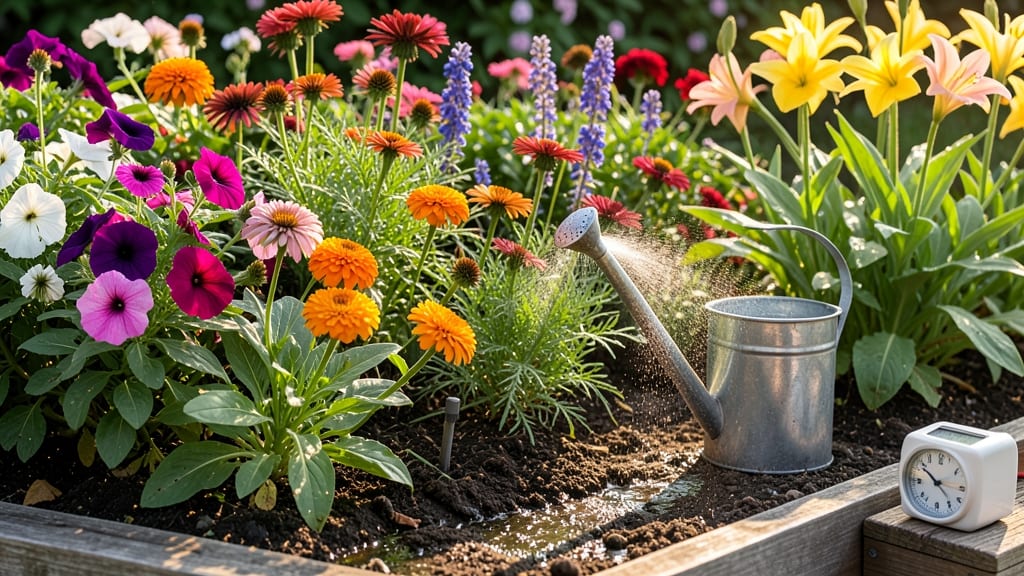
Watering a flower garden the right amount—not too much, not too little—is the secret to keeping your blooms thriving all season long.
Struggling to keep your flower garden vibrant without overwatering or underwatering? The right watering schedule can mean the difference between blooming beauty and wilting disappointment—here’s how to get it right.
Most gardeners guess based on memory, but soil type, climate, and even plant species change everything. Sandy soil drains fast, while clay holds moisture like a sponge. And let’s not forget heat waves or sudden rain—your watering plan needs to adapt.
In this guide, you’ll learn exactly how often to water based on your plants, season, and location, plus pro tips to spot when your garden is thirsty or drowning. No more guesswork, just happy, healthy flowers.
How often to water flower gardens based on plant type
Watering your flower garden isn’t a one-size-fits-all task—different plants crave different hydration habits. Annuals like petunias and marigolds need frequent watering to thrive, while drought-tolerant succulents can survive on minimal moisture.
Understanding your plants’ unique needs ensures vibrant blooms and healthy roots. I’ve tested these schedules in my own garden, and the results speak for themselves!
Before setting a watering routine, check your soil moisture by sticking your finger about 1 inch deep. If it feels dry, it’s time to water. For most flowers, deep watering (1-2 inches per session) is better than light, frequent sprinkles.
This encourages roots to grow deeper, making plants more resilient. I’ve made the mistake of shallow watering—now I always aim for thorough hydration!
Here’s a quick reference for common flower types. Use this as your starting point, then adjust based on your local climate and soil type. Remember, overwatering is just as harmful as underwatering—both can lead to root rot or wilting.
| Plant Type | Watering Frequency | Depth per Session | Best Time to Water | Notes |
|---|---|---|---|---|
| Annuals (Petunias, Marigolds, Zinnias) | Every 1-2 days (daily in heatwaves) | 1-2 inches | Early morning | Fast-growing; mulch to retain moisture |
| Perennials (Roses, Lavender, Coneflowers) | 2-3 times per week (adjust for heat) | 1.5-2 inches | Morning or evening | Established roots; reduce in winter |
| Bulbs (Tulips, Daffodils, Hyacinths) | Once every 7-10 days (spring only) | 1 inch | Morning | Water only during active growth |
| Drought-Tolerant (Succulents, Sedum, Yarrow) | Every 2-4 weeks (or when soil is bone-dry) | ½ inch (light soak) | Late morning | Well-draining soil is a must |
| Tropicals (Canas, Hibiscus, Begonias) | Daily (or every other day in humidity) | 1 inch | Evening (to prevent fungal issues) | High humidity; avoid soggy soil |
For roses, I’ve found that deep watering twice weekly during their blooming season (spring to fall) keeps them lush. In my garden, I use a soaker hose to deliver water directly to the roots, which cuts down on evaporation and fungal risks.
If you notice yellowing leaves or drooping petals, it’s often a sign of inconsistent watering—either too much or too little.
Succulents and other drought-tolerant plants are my go-to for low-maintenance sections of the garden. I water them every 2-4 weeks, but I always check the soil first. A quick finger test tells me whether they need a drink or can wait another week.
Overwatering is the easiest mistake to make with these hardy plants—stick to the bone-dry soil rule!
Seasonal changes also play a huge role. In summer, I increase watering frequency by 30-50% to combat heat stress, while in winter, I reduce it drastically—sometimes to just once every 2-3 weeks.
Always adjust based on rainfall; a good downpour can replace a scheduled watering session entirely. I keep a rain gauge nearby to track precipitation and tweak my schedule accordingly.
Mulching is another game-changer for water efficiency. A 2-3 inch layer of mulch around your plants helps retain moisture, regulates soil temperature, and suppresses weeds. I use shredded bark or straw
Seasonal watering schedule for flower gardens by climate zone
Your flower garden’s watering needs change dramatically with the seasons—and your climate plays a huge role. In hot, dry climates like Arizona, summer watering might mean daily deep soakings, while in humid Pacific Northwest regions, you might only need weekly light watering even in summer.
Understanding these patterns helps you avoid overwatering (which causes root rot) or underwatering (which stresses plants). Let’s break down how to adjust your schedule by season and climate zone.
First, check your USDA hardiness zone and local rainfall patterns. For example, Mediterranean climates (like California) have dry summers and wet winters, while temperate zones (like the Midwest) have more even rainfall. Even within a zone, microclimates—like a sunny south-facing bed versus a shady north side—can shift watering needs.
Always water early in the morning to reduce evaporation and fungal risks. Use a moisture meter or the finger test (stick your finger 1-2 inches into soil; if dry, water).
| Climate Zone | Spring | Summer | Fall | Winter |
|---|---|---|---|---|
| Dry (e.g., Desert Southwest) | 2-3x/week (deep soak) | Daily (early morning) | Weekly (reduce as temps drop) | Monthly (if no rain) |
| Humid (e.g., Southeast) | Weekly (light watering) | Every 2-3 days (avoid wetting leaves) | Biweekly (check soil first) | Minimal (rainfall covers needs) |
| Temperate (e.g., Pacific Northwest) | Weekly (spring rains help) | 2-3x/week (morning only) | Weekly (adjust for rain) | None (winter rains suffice) |
| Mediterranean (e.g., California) | Biweekly (spring showers) | Daily (deep watering) | Weekly (reduce as temps drop) | Monthly (if dry spells) |
In spring, focus on establishing roots—water deeply but less frequently to encourage deep root growth. For example, newly planted perennials in dry climates need 2-3 waterings per week, while humid zones may only require weekly checks.
Use drip irrigation or soaker hoses to deliver water slowly at the soil level, reducing waste and fungal risks. Mulch with 2-3 inches of organic matter (like shredded bark) to retain moisture and regulate soil temperature.
Summer is the most critical season for watering, especially in hot, dry climates. Most flowers need daily watering in peak heat, but morning watering is key—it allows foliage to dry before evening, preventing powdery mildew and black spot. In humid climates, water every 2-3 days but avoid wet leaves to prevent fungal diseases. Drought-tolerant plants (like lavender or yarrow) can handle weekly deep waterings, while tender annuals (like petunias) may wilt without daily care. Always water until the soil is 6-8 inches deep—use a screwdriver to check moisture levels.
As fall arrives, reduce watering frequency. Cooler temperatures mean plants need less hydration, and fall rains often take over. In dry climates, switch to weekly deep waterings, while humid zones may only need biweekly checks.
This is also the time to prep for winter—water deeply one last time before the first frost to help plants establish roots before dormancy. Evergreens (like boxwoods) and broadleaf perennials (like hostas) may still need monthly watering in dry winters.
Winter watering is minimal in most climates, but evergreen flowers (like hellebores) and winter-blooming plants (like witch hazel) still need occasional hydration. In dry climates, a monthly deep watering can prevent winter dieback, while humid or temperate zones usually rely on natural rainfall. Always check soil moisture—frozen ground can block water absorption, so avoid winter watering unless absolutely necessary. Focus instead on mulching to protect roots from freeze-thaw cycles.
Pro tip: Group plants by water needs to simplify your schedule. For example, place drought-tolerant succulents near the edge of beds where they get less water, and thirsty annuals near your irrigation source.
Use rain gauges to track precipitation and adjust accordingly. With this seasonal approach, your flower garden will thrive year-round, no matter where you live. 🌷