
How To
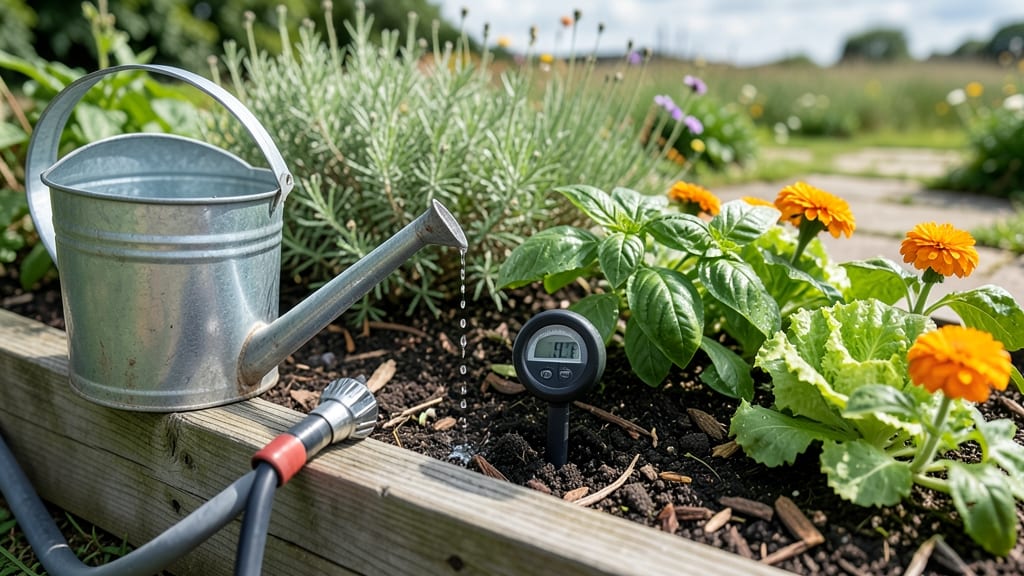
Watering your garden too often wastes 25% more water than necessary — and too little stunts growth or invites pests.
Most gardeners guess when to hydrate their 🌱 plants, but the right frequency depends on soil type, plant needs, and even the season. A simple soil-moisture test method takes the guesswork out of watering, ensuring your garden thrives without waste.
This approach works for vegetables, flowers, and herbs alike, adjusting for everything from sandy soil to heavy clay. You’ll learn how to check moisture levels by hand, when to water in different climates, and how to spot overwatering before it damages your plants.
By the end, you’ll have a customized schedule that keeps your garden lush while conserving water — no rigid rules, just smart, efficient care.
The 3-Step soil-moisture test method for perfect watering
Most gardeners follow rigid watering schedules that fail when temperatures spike or rainfall changes. Instead of guessing, I rely on the soil-moisture test method—a hands-on approach that adapts to your garden's unique conditions.
This technique helps you water exactly when needed, saving water and preventing root rot. Whether you're growing tomatoes, herbs, or flowers, these three steps will transform your watering routine.
Why does this method work? Because plants signal their needs through soil moisture, not time. Overwatering suffocates roots, while underwatering stresses plants. The key is checking moisture at the right depth—where most roots thrive.
I’ll show you how to test with your fingers, hand, and simple tools, plus what to look for in different plant categories.
-
Step 1: Check Soil Depth
Insert your finger 1-2 inches deep (for most plants) or 3-4 inches (for deep-rooted veggies like tomatoes). If the soil feels dry at this level, it's time to water.
-
Step 2: Use the Squeeze Test
Grab a handful of soil. If it crumbles easily, water deeply. If it stays clumped, wait 1-2 days. For succulents, let soil dry completely between waterings.
-
Step 3: Adjust for Plant Type
Vegetables: Water when top 1 inch is dry. Flowers: Check 2 inches deep—most prefer slightly drier soil. Herbs: Let soil dry 50% between waterings (e.g., rosemary, thyme).
💧 Pro Tip: Use a moisture meter for accuracy, especially in containers.
For vegetables like lettuce or basil, I water when the soil feels like a slightly damp sponge. These plants wilt quickly if thirsty, so I check daily in summer.
Meanwhile, perennials like lavender thrive with deep but infrequent watering—I test at 3 inches down and only water when the soil is bone-dry.
Tools like a soil probe or moisture meter take the guesswork out of this method. I keep one handy for potted plants, which dry out faster than in-ground gardens.
Even a simple wooden skewer works: twist it into the soil and check for moisture clinging to it. The deeper the roots, the deeper you should test.
Seasonal changes drastically affect watering needs. In summer heat, I water in the early morning to reduce evaporation, while in spring, I rely more on rainfall and test soil less frequently.
Mulch helps retain moisture—always check beneath it, as it can hide dry soil underneath. This method ensures I never overwater, even during heavy rain.
Visual cues also help. Wilted leaves often mean underwatering, but yellowing leaves or mushy stems signal overwatering. By combining the soil test with these signs, I adjust my schedule weekly.
For example, my tomato plants need deep watering every 2-3 days in July, but my roses only need watering when the top 2 inches are dry.
Don’t let rigid schedules fool you—your garden’s needs change daily. The soil-moisture test method adapts to climate shifts, soil type, and plant maturity. Start with these three steps, and you’ll water with confidence, saving water and growing healthier plants.
Once you master this, you’ll notice fewer pests and stronger roots—proof that less is often more in gardening.
🌱 Start today: Grab a handful of soil and test it now. Your plants will thank you!
Watering frequency by plant type: a zero-waste schedule
Not all plants thrive on the same watering schedule—some, like tomatoes and basil, crave consistent moisture, while succulents and lavender practically drown in over-attention. The key to zero-waste watering lies in understanding each plant’s root depth and seasonal needs.
For example, shallow-rooted herbs like cilantro dry out faster than deep-rooted perennials like rosemary. Let’s break down the ideal intervals for 12 garden staples, plus how to adjust for high-efficiency methods like drip irrigation versus traditional hoses.
Traditional watering—like morning sprinkles—can waste up to 40% of water through evaporation or runoff. High-efficiency methods, such as drip irrigation or soaker hoses, deliver water directly to roots, reducing waste by 30-50%.
The table below compares watering needs by plant type, including seasonal tweaks for summer heat or winter dormancy. Pro tip: Always water in the early morning (before 10 AM) to minimize evaporation and fungal risks.