
How To
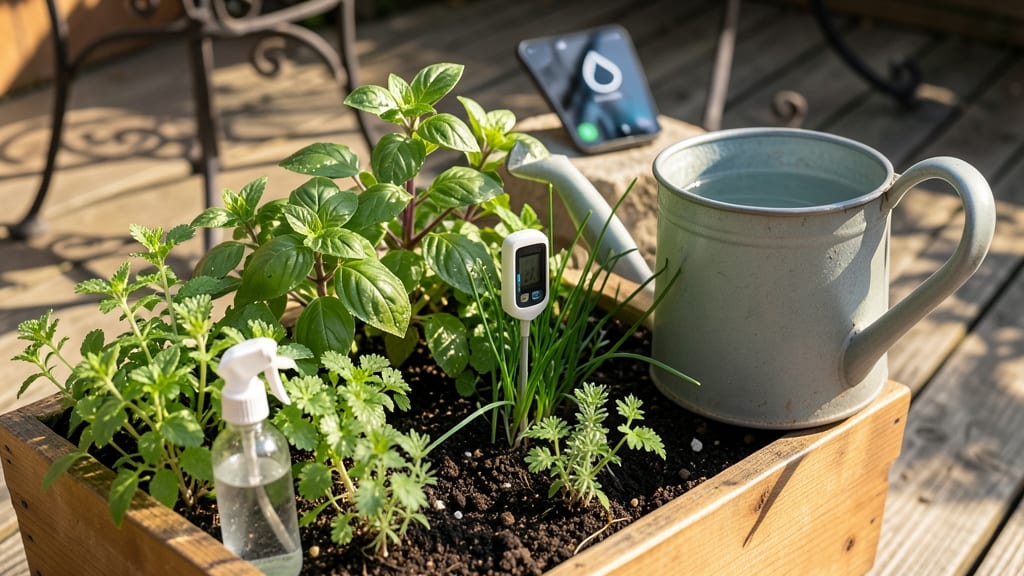
Watering your herb garden the right way means knowing how often to water without guessing—because overwatering or underwatering can kill even the hardiest herbs like basil and parsley in days.
Picture this: You’ve just planted your 🌿 herb garden in Zone 6 after the last frost, and now you’re staring at your watering can, wondering if one sip is enough or if you’re drowning your greens.
The truth? Most gardeners get it wrong because they rely on schedules instead of soil clues.
Here’s the game-changer: A simple soil-moisture test method that cuts waste, saves time, and keeps your herbs thriving—whether they’re in pots or planted in-ground. No more second-guessing, no more wilted leaves or soggy roots.
Below, I’ll show you exactly how to check soil moisture, adjust for summer heat or winter chill, and tailor your watering to each herb’s needs—so you can harvest fresh basil and rosemary all season long.
The perfect watering schedule for herb gardens based on soil type
Your herb garden’s health hinges on understanding soil type and how it affects water retention. Unlike one-size-fits-all advice, sandy soil drains too quickly, while clay soil holds water like a sponge—both extremes stress herbs like thyme or mint.
Loamy soil, the Goldilocks of gardening, balances moisture perfectly. Let’s break down how to adjust your watering schedule based on your garden’s foundation.
First, identify your soil type by grabbing a handful when it’s moist. Sandy soil feels gritty, clay sticks together, and loamy crumbles effortlessly. Once you know your soil, you can tailor watering to keep roots hydrated without drowning them.
For example, basil in sandy soil may need daily watering, while the same plant in clay soil might only need water every 5-7 days.
🌱
Seasonal shifts demand watering flexibility. In spring, when roots are establishing, focus on deep watering to encourage growth—aim for 1 inch of water per week for loamy soil.
By summer, increase frequency to daily or every other day, especially for container gardens, which dry out faster. Mulch with straw or wood chips to retain moisture and reduce evaporation.
Herbs in containers require more frequent watering than in-ground plants because pots lack the insulating properties of soil. For example, a thyme plant in a clay pot may need watering every 2-3 days in summer, while the same plant in garden soil might only need water every 5 days.
Use your finger to check moisture: if the top 1 inch feels dry, it’s time to water.
💧
Don’t overlook root health—overwatering is just as damaging as underwatering. Clay soil can suffocate roots if not amended with compost or sand, while sandy soil may require a mulch layer to slow moisture loss.
For drought-prone herbs like rosemary, let the soil dry completely between waterings. Conversely, moisture-loving parsley or cilantro thrive with consistently damp soil, especially in loamy soil.
Adjust your schedule based on weather patterns. After a heavy rain, skip watering for a day or two, even if your usual schedule says it’s time. Conversely, during heatwaves, increase frequency by 20-30% and water in the early morning to prevent fungal diseases.
A self-watering system or drip irrigation can automate adjustments, ensuring your herbs stay hydrated without guesswork.
🌿
Pro tip: Group herbs with similar water needs together. For instance, basil, dill, and parsley all prefer moist soil, while rosemary, thyme, and oregano tolerate drier conditions.
This zoning simplifies your watering routine and keeps your garden thriving. With these soil-specific guidelines, you’ll master the art of herb hydration in no time!
Step-by-step soil-moisture test method to avoid over/under-watering
Mastering the soil-moisture test method is the game-changer for your herb garden. Instead of guessing when to water, this simple finger-check technique helps you deliver precise hydration tailored to each herb's needs.
Whether you're growing basil or rosemary, understanding moisture levels prevents both root rot and wilting—saving time and resources.
Herbs like cilantro and parsley prefer consistently moist soil, while thyme and oregano thrive with drier conditions. The key is adjusting your watering depth based on the herb type and climate. For example, container herbs dry out faster than in-ground plants, so they need more frequent checks.
- 1. Choose the right time: Test soil in the morning after dew has evaporated but before midday heat.
- 2. Identify the herb: Note the ideal depth for each type—1 inch for basil, 2 inches for rosemary, and 1.5 inches for parsley.
- 3. Insert your finger: Gently push your index finger into the soil to the target depth. Avoid pressing hard to prevent compacting the soil.
- 4. Check moisture level: If soil feels dry or slightly damp, water deeply. If it feels soggy, wait 1-2 days before retesting.
- 5. Adjust for climate: In drought conditions, increase depth checks to 2.5 inches. In high humidity, reduce frequency by 20-30%.
- 6. Water deeply: When needed, water until moisture reaches 6 inches deep for in-ground herbs or 4 inches for containers.
For drought-prone areas, consider mulching with straw or wood chips to retain moisture. This reduces evaporation and cuts down on how often you need to water. Always water in the early morning to minimize fungal risks and maximize absorption.
Common mistakes include overwatering due to inconsistent soil checks or underwatering by relying on a fixed schedule. Yellowing leaves or mold signal overwatering, while crispy edges or drooping stems mean it's time to hydrate. Adjust your routine based on these visual cues.
Pro tip: Keep a watering journal to track soil moisture patterns. Note which herbs need more frequent checks and how climate shifts (like sudden heatwaves) affect your garden. Over time, you'll develop an intuitive sense of when each herb needs hydration.
With this method, your herb garden will thrive without waste—no more guesswork, just healthy growth and flavorful harvests every time. 🌱