
How To
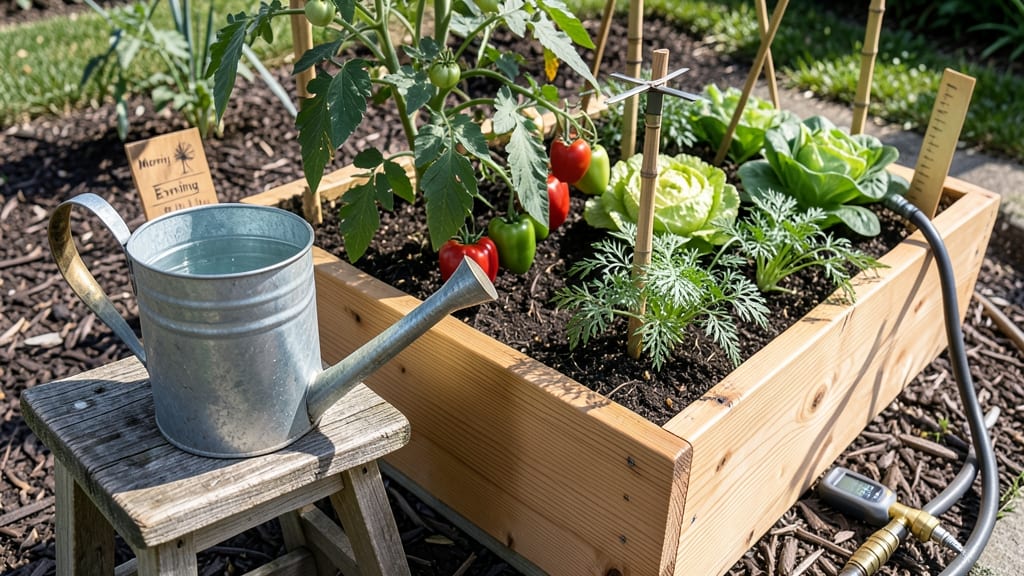
Watering your vegetable garden the right way means knowing how often to keep the soil moist—not soggy, not dry—so your 🥕 plants thrive without wasting a drop.
Overwatering kills more vegetable gardens than underwatering—yet most gardeners don’t know the exact signs their plants are thirsty or drowning. The secret lies in reading your soil’s hidden language before your plants scream for help.
Climate, soil type, and plant needs all change how often you should water. A tomato plant in Zone 6a needs deep soaks every 2-3 days in summer, while leafy greens like lettuce prefer consistent moisture but hate soggy roots.
Below, I’ll break down the best watering schedules for your garden, how to test soil moisture like a pro, and the 3 biggest mistakes that turn thriving plants into sad statistics.
The right watering frequency for vegetable gardens by plant type
Watering your vegetable garden isn’t a one-size-fits-all task—each plant has unique needs based on its growth stage, soil type, and climate zone. For example, tomatoes need deep, consistent watering, while leafy greens prefer frequent shallow moisture.
Even within the same plant family, watering schedules shift from seedling to harvest. Ignoring these differences often leads to blossom-end rot in tomatoes or bolting in lettuce.
Climate plays a huge role too. In USDA Zone 9 with hot summers, you might water daily, while in Zone 5, weekly watering often suffices. Sandy soil drains quickly, requiring more frequent watering, whereas clay soil holds moisture longer.
The key is understanding your garden’s microclimate—shady spots stay damp longer, while sunny areas dry out fast. Adjusting for rainfall is equally critical; a 1-inch rain can replace 2-3 days of watering for most plants.
Here’s how to tailor your watering schedule by plant type, soil, and season—plus how to spot when adjustments are needed.
| Plant Type | Growth Stage Needs | Watering Frequency (Summer) | Soil Depth to Water | Signs of Overwatering |
|---|---|---|---|---|
| Tomatoes, Peppers, Eggplants | Seedlings: Every 2-3 days Fruiting: Daily (deep) |
1-2 inches per week (more in heat) | 6-8 inches deep | Yellowing leaves, cracked soil, fungal spots |
| Leafy Greens (Lettuce, Spinach, Kale) | Seedlings: Every 1-2 days Mature: Every 2-3 days |
1 inch per week (shallow) | 2-3 inches deep | Wilting, bitter taste, mold on soil |
| Root Crops (Carrots, Beets, Radishes) | Consistent moisture; avoid fluctuations | 1 inch per week (even) | 4-6 inches deep | Stunted growth, cracked roots, hollow centers |
| Corn, Peas, Beans | Deep watering during tasseling/podding | 1.5 inches per week (deep) | 8-12 inches deep | Drooping leaves, ear rot (corn), blossom drop |
| Herbs (Basil, Cilantro, Parsley) | Moderate; avoid soggy soil | 0.75-1 inch per week | 3-4 inches deep | Yellowing stems, mold, wilting |
For tomatoes and peppers, deep watering—meaning water penetrates 6-8 inches into the soil—is critical during fruiting. Shallow watering stresses roots and leads to blossom-end rot. Use a soaker hose or drip irrigation to deliver water slowly at the base, reducing evaporation.
In Zone 9, I water mine every morning for 20-30 minutes, while in Zone 5, every other day suffices in summer.
Leafy greens like lettuce and spinach need frequent, shallow watering to keep soil moist but not soggy. Overwatering causes bolting (premature flowering), while underwatering leads to bitter flavors. Mulch with straw to retain moisture and reduce weeds.
In my garden, I water these greens every morning for 10 minutes, adjusting to every other day in cooler months.
Root crops like carrots and beets demand consistent moisture—never let them dry out, or they’ll develop wooden cores. Water lightly but often, aiming for 1 inch per week.
Sandy soil requires daily checks, while clay holds moisture longer. I use a moisture meter to ensure the top 4 inches stay damp but not waterlogged.
Adjust your schedule based on weather forecasts. If rain is predicted, skip watering for 24 hours after a 1-inch rain. In drought conditions, group plants by water needs and prioritize deep watering over frequent light watering.
For example, corn needs 1.5 inches per week during tasseling, while radishes thrive with just 0.75 inches.
Watch for plant signals: Wilting in the afternoon suggests thirst, while yellowing leaves or mold on soil means overwatering. For herbs, drooping stems often mean they need water, but soggy soil indicates too much.
I’ve learned to water herbs early in the day to prevent fungal growth from evening moisture.
Pro
5 Soil-moisture tests that prevent overwatering (and save your plants)
Most gardeners water their vegetable gardens based on a schedule—or a guess. But plants don’t follow calendars; they respond to soil moisture levels hidden beneath the surface. The key to thriving vegetables is reading your soil’s signals before your plants wilt or rot.
These 5 simple tests will transform your watering routine from guesswork to precision.
Start by understanding your soil’s moisture zones. The top 1-2 inches dry fastest, while deeper layers retain moisture longer. For example, tomatoes need consistent moisture at 4-6 inches deep, while leafy greens prefer shallower, frequent watering.
Mastering these tests ensures you water exactly when and where your plants need it.
- Finger Test (Top 1-2"): Stick your index finger 1-2 inches deep. If dry, water lightly for shallow-rooted plants like lettuce or herbs.
- Trowel Check (4-6"): Dig a small hole with a trowel. Moisture at this depth signals deep-watering needs for tomatoes or peppers.
- Moisture Meter: Insert probes to 4-6 inches for accurate readings. Most meters show moisture percentages—aim for 30-50% for vegetables.
- Texture Clues: Sandy soil dries fast; clay holds moisture longer. Adjust frequency based on your soil type—sandy may need daily checks, clay every 3-4 days.
- Visual Cues: Lift a clump of soil. If it crumbles easily, it’s dry. If it sticks together, it’s overwatered. Aim for a lightly damp feel, like a wrung-out sponge.
Don’t rely on a single method—combine tests for accuracy. For instance, use the finger test daily for herbs but pair it with a trowel check weekly for tomatoes. This dual approach catches early signs of overwatering (yellow leaves, fungal growth) or underwatering (wilted leaves that don’t recover by evening).
Pro tip: Water in the morning to reduce evaporation and fungal risks. Use a soaker hose or drip irrigation to deliver water directly to roots, where these tests are most effective. Avoid overhead sprinklers, which waste water and encourage disease.
Remember, soil moisture isn’t one-size-fits-all. Adjust your tests based on your climate, season, and plant type. For example, root crops like carrots need consistent moisture but hate soggy soil, while peppers thrive with slightly drier conditions.
Trust your soil—and your plants will thank you with bigger, healthier harvests.
Now that you’ve mastered these tests, your vegetable garden will finally get the perfect balance of water—no more guesswork, just thriving plants. Happy gardening! 🌱