
How To
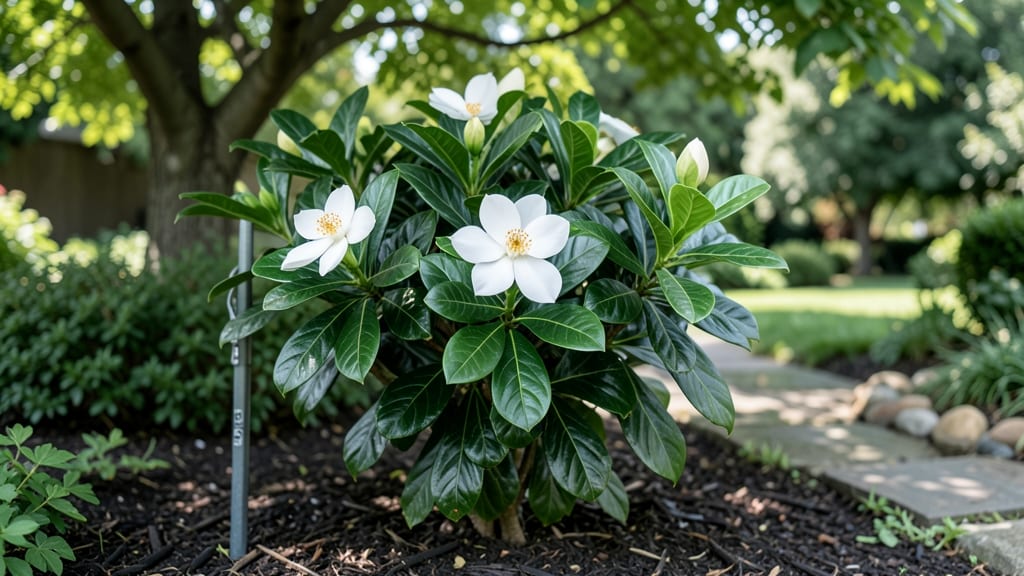
How tall can gardenia grow? These plants can range from 2 feet to towering heights of 15 feet, depending on the variety and growing conditions.
If you’ve ever dreamed of fragrant, tropical blooms but worried about gardenia 🌸 plants outgrowing your space, you’re not alone—many gardeners struggle to balance these beauties’ growth potential with their yard’s layout.
Some varieties, like the compact Gardenia jasminoides, stay under 3 feet tall, making them perfect for containers or small gardens. Meanwhile, others—such as the tall Gardenia augusta—can reach heights of 10 feet or more when given ideal conditions.
In this guide, you’ll learn how to manage gardenia height through pruning, soil care, and sunlight exposure—so you can enjoy their intoxicating blooms without sacrificing your garden’s design.


Gardenia height by variety: small, medium, and towering options
If you’re planning to add gardenias to your landscape, understanding their potential height is key to selecting the perfect variety for your space. Gardenias can range from compact shrubs under 3 feet to towering specimens reaching over 10 feet, depending on the cultivar and growing conditions.
The right choice ensures your garden stays balanced while still enjoying those iconic white blooms and intoxicating fragrance.
Most gardeners focus on Gardenia jasminoides, the most common species, but other varieties like Gardenia augusta and Gardenia radicans offer unique growth habits. Climate also plays a role—tropical varieties thrive in warm zones, while others adapt to cooler regions with proper care.
Let’s explore the height ranges and ideal growing conditions for each category.
For gardeners in cooler climates (Zones 7–8), varieties like 'Kleim's Hardy' or 'Fortuniana' are excellent choices, as they thrive with 3–5 feet of height while tolerating light frosts.
These compact options work well in container gardens or as hedges along walkways. Just ensure they receive partial shade to prevent leaf scorch.
If you’re in a tropical or subtropical zone (Zones 9–11), you can explore larger varieties like 'Radicans' or Gardenia augusta, which can reach 10–15 feet if left unpruned.
These varieties add dramatic vertical interest to landscapes but require well-draining, acidic soil and consistent moisture to support their rapid growth.
Soil acidity is critical for gardenias—aim for a pH between 5.0 and 6.5. In alkaline soils, growth slows, and blooms may fail to appear. Amend your soil with peat moss or sulfur if needed.
Additionally, gardenias in containers may stay slightly smaller but benefit from regular pruning to maintain shape and encourage bushier growth.
Light exposure also influences height. While gardenias prefer partial shade, too little sunlight can result in leggy growth and fewer blooms. Place them where they receive morning sun and afternoon shade, especially in hotter climates. This balance helps control height while promoting healthy foliage and abundant flowers.
Pruning plays a major role in managing gardenia height. For compact varieties, a light pruning after flowering encourages a fuller shape. For taller varieties, structural pruning in late winter helps maintain desired dimensions.
Always use sterilized pruners to prevent disease spread, and avoid cutting into old wood, which may not regrow.
If you’re growing
How to control gardenia height: pruning techniques for bushy or compact growth
Pruning your gardenia isn’t just about keeping it from towering over your patio—it’s the secret to fuller blooms and healthier growth.
These tropical shrubs naturally grow 4–6 feet tall (or even taller in ideal conditions), but with the right techniques, you can shape them into bushy hedges or compact specimens. The key? Timing, tools, and a little patience.
Let’s dive into how to manage your gardenia’s height without sacrificing its stunning fragrance.
Before grabbing your shears, know that gardenias respond best to light pruning throughout the year. Heavy pruning can stress the plant, reducing those prized white blooms. Instead, focus on selective trimming to encourage branching and airflow.
Whether you’re aiming for a neat hedge or a wild, lush shrub, the same principles apply—just adjust the intensity. Ready to transform your gardenia into your dream size? Let’s get started.
- 1 Choose the right time: Prune right after flowering (late spring to early summer) to avoid cutting off next year’s buds. Avoid pruning in fall or winter, as gardenias need time to recover before new growth.
- 2 Gather your tools: Use clean, sharp pruners (bypass pruners work best) and sterilize them with rubbing alcohol to prevent disease. For thicker stems, grab loppers or a pruning saw. Never use dull tools—they tear stems and invite pests.
- 3 Remove dead or weak growth: Start by snipping off dead branches, crossing limbs, and sparse stems. Cut back to a healthy leaf node or bud to encourage new growth. This step improves air circulation and reduces disease risk.
- 4 Shape for bushiness: To encourage a fuller shape, cut back selective stems by 1/3 of their length. Focus on the outer edges to create a rounded form. Avoid cutting into the old wood (wood older than 3 years), as gardenias struggle to regrow from it.
- 5 Light maintenance pruning: Throughout the growing season, trim new growth to maintain your desired shape. A little weekly pinch-back on tender shoots keeps your gardenia compact and bushy. Think of it like hair trimming—regular, light touches work better than occasional heavy cuts.
- 6 Clean up and fertilize: After pruning, remove all clippings from the area to prevent fungal diseases. Feed your gardenia with an acid-loving fertilizer (like 10-10-10) to support new growth. Water deeply to help it recover, but avoid overwatering, which can rot the roots.
For compact growth, repeat the light pruning steps every 4–6 weeks during the growing season. If your gardenia is top-heavy or leggy, focus on trimming the topmost stems to encourage lower branching.
Remember, gardenias grow best in partial shade, so avoid pruning in direct sunlight to prevent stress on the plant.
Pro tip: If you’re growing a dwarf variety like ‘Radicans’ (which stays under 3 feet), you’ll need to prune more aggressively to keep it from outgrowing its space.
On the other hand, standard varieties like ‘Kleim’s Hardy’ can handle minimal pruning if you’re okay with their natural 6-foot height. The choice is yours!
With consistent care, your gardenia will reward you with lush foliage and