
Size
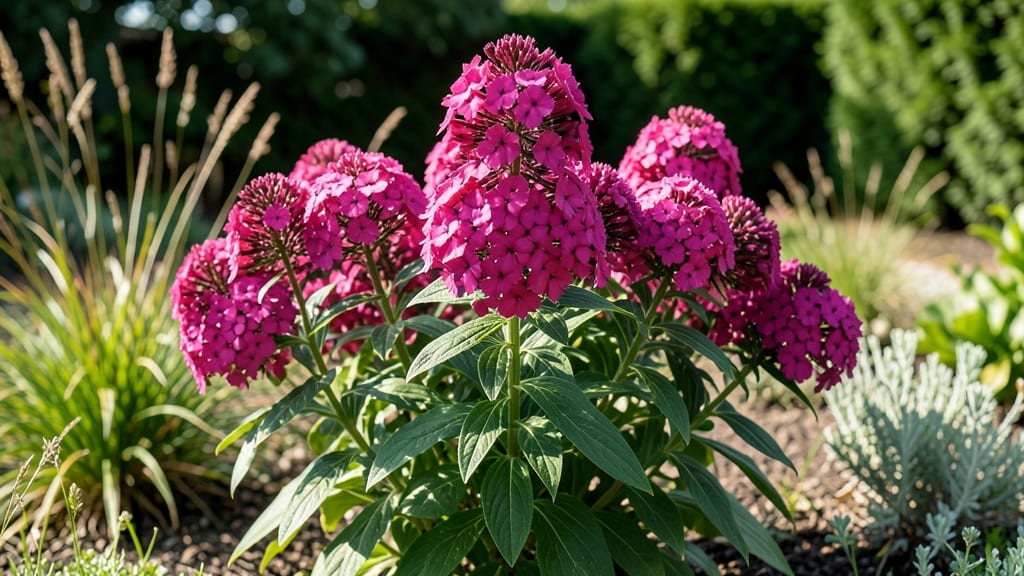
Garden phlox 🌸 can grow anywhere from 1 foot to over 5 feet tall, depending on the variety and growing conditions you provide.
If you're dreaming of vibrant summer blooms but wondering whether garden phlox will tower over your garden beds or stay neatly contained, you're not alone—height varies dramatically by variety.
From compact dwarf varieties perfect for borders to towering standard types that command attention, understanding phlox height ranges is the key to planning your floral displays.
Below, I’ll break down the height ranges by variety, how sunlight and soil influence growth, and the best spacing and pruning tips to keep your phlox at your ideal height.


Garden phlox height ranges by variety: dwarf to giant types
Garden phlox (Phlox paniculata) is one of summer's most beloved flowers, but its height can vary dramatically depending on the variety. Whether you're designing a small container garden or a bold backyard border, knowing these height ranges helps you choose the perfect phlox for your space.
Dwarf varieties stay under 12 inches, while giant types can reach 5 feet or taller—each with unique care needs.
From the compact 'Starfire' to the towering 'Blue Giant', phlox height influences everything from spacing requirements to pruning strategies. Some varieties even flop under heavy blooms, while others stand proudly all season. Let's explore the full spectrum of phlox heights and how to grow them successfully.
🌱 Key Tip: Most phlox varieties grow 1-2 feet taller each year until they reach maturity by their third season. Proper sunlight exposure and well-draining soil are critical for achieving their full height potential.
| Variety Type | Height Range | Popular Cultivars | Spacing Needs | Sunlight Needs |
|---|---|---|---|---|
| Dwarf | Under 12 inches | 'Starfire', 'Lippert's Mix' | 10-12 inches apart | Full sun to partial shade |
| Semi-Dwarf | 12-24 inches | 'David', 'Nora Leigh' | 12-18 inches apart | Full sun |
| Standard | 2-3 feet | 'Blue Paradise', 'Jeana' | 18-24 inches apart | Full sun |
| Tall | 3-4 feet | 'Lipstick', 'Blue Giant' | 24-30 inches apart | Full sun |
| Giant | 4-5+ feet | 'Miss Lingard', 'White Delight' | 30-36 inches apart | Full sun |
The 'David' variety, a semi-dwarf at 12-24 inches, is perfect for front-of-border plantings where you want color without overwhelming nearby plants. Its compact growth habit makes it ideal for container gardens too, especially when paired with salvias or catmint for height contrast.
For bold statement plants, giant varieties like 'Miss Lingard' reach 5 feet or taller and thrive in backyard landscapes or cottage gardens. These towering beauties need sturdy stems—often requiring staking—and ample spacing to prevent overcrowding, which can lead to pests or disease.
If you're working with limited space, dwarf varieties like 'Lippert's Mix' (under 12 inches) are excellent choices for rock gardens or window boxes. These varieties often rebloom prolifically when deadheaded regularly, making them low-maintenance stars for small spaces.
💡 Pro Tip: Taller phlox varieties often benefit from support—especially in humid climates where heavy blooms can cause stem flopping. Use ornamental stakes or cage supports for varieties over 3 feet to maintain an upright form.
Another factor influencing phlox height is soil fertility. Rich, well-amended soil with compost or aged manure encourages taller growth, while sandy or poor soil may result in shorter, bushier plants.
For compact growth, prune back 1/3 of the plant in early summer to encourage branching and prevent legginess.
When planning your garden layout, consider how phlox height will interact with surrounding plants. For example, pairing 2-foot 'Jeana' with 3-foot coneflowers creates a natural height progression, while 5-foot giants should be placed <
How to control phlox height: pruning and spacing tips
Garden phlox can reach anywhere from 12 inches to 5 feet depending on the variety and care, but their height isn't set in stone. With the right techniques, you can encourage compact growth or manage towering varieties to prevent flopping.
The key lies in pruning timing, proper spacing, and understanding your phlox's natural growth habits.
Taller phlox varieties like 'Blue Giant' or 'David' need sturdy stems to support their weight, while dwarf types such as 'Lippert's Mix' stay neatly contained with minimal intervention.
Whether you're working with a border garden or a mixed bed, these strategies will help you shape your phlox to fit your design vision while keeping them healthy and vibrant.
- 1 Dwarf varieties (12–24 inches) like 'Starfire' or 'Nora Leigh' need 12–18 inches of spacing to thrive without crowding. These types are perfect for front-of-border plantings or container gardens.
- 2 Medium-height phlox (2–3 feet), such as 'Lippert's Mix', benefit from 18–24 inches of space. Prune after flowering to remove 1/3 of the stems to encourage bushier growth next season.
- 3 Tall phlox (3–5 feet), including 'Blue Giant', require 24–36 inches of spacing to prevent stem flopping. Use stakes or rings for support, and prune deadheading spent blooms to redirect energy to stem strength.
- 4 Prune in early spring by cutting back 1/2 to 2/3 of the previous year's growth to promote compact, bushy growth. Avoid pruning in late summer, as this can delay blooming for next year.
- 5 Space phlox for airflow: Crowded plants lead to fungal diseases like powdery mildew. Aim for 12–36 inches between plants, depending on the variety, to ensure circulation and sunlight penetration.
When it comes to pruning, timing is everything. I always recommend late winter or early spring pruning to shape your phlox before new growth begins. Use clean, sharp pruners to make 45-degree cuts just above a leaf node.
This encourages branching and denser foliage, which translates to more blooms and a fuller plant.
For taller varieties, consider support structures like bamboo stakes or decorative rings to prevent flopping. I’ve found that tall phlox with weak stems often benefit from a little extra support, especially in windy or rainy climates.
Pairing them with sturdy companions like bee balm or Russian sage also helps create a natural windbreak.
Finally, don’t overlook the power of seasonal deadheading. Removing spent blooms throughout the summer encourages continuous flowering and prevents the plant from wasting energy on seed production. This simple step keeps your phlox looking tidy and promotes taller, stronger stems for the next season.