
Size
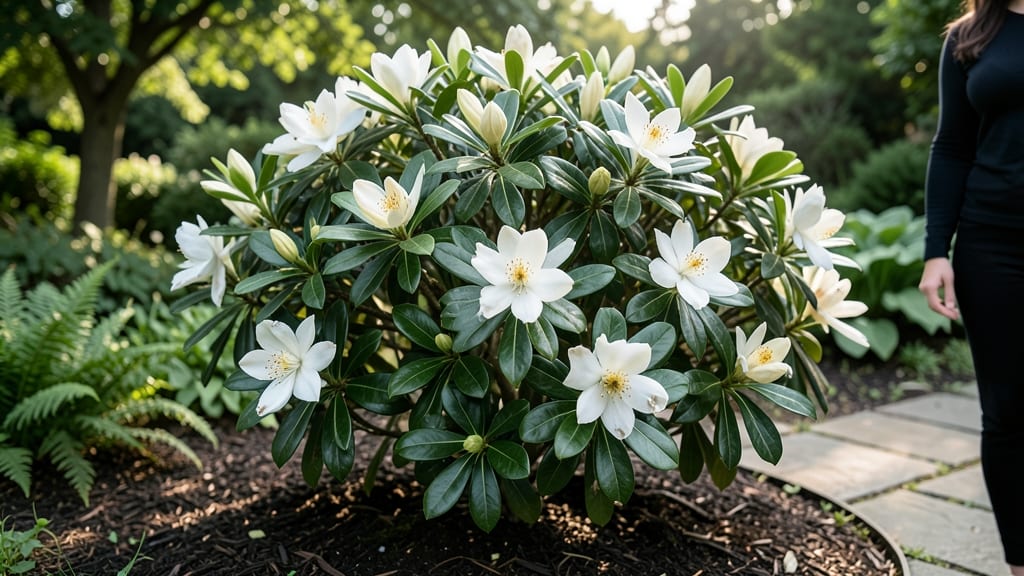
Gardenias grow between 3 and 6 feet tall at maturity, but their exact height depends on the variety and how you care for them 🌸—so choosing the right type for your space is the first step to avoiding a shrub that outgrows its welcome.
Picture this: a fragrant gardenia towering over your patio furniture, its glossy leaves brushing your head as you pass. That’s not a nightmare—it’s a reality for standard varieties like Gardenia jasminoides, which can reach 6 feet with proper care.
But dwarf types stay compact, perfect for containers or small gardens.
If you’re wondering how to keep your gardenia from becoming a jungle, the answer lies in pruning, sunlight, and soil. Too much shade? Growth slows. Skip the pruning?
You’ll end up with leggy branches instead of a neat, bushy shape. Even the most fragrant gardenia needs the right conditions to stay the size you want.
In this guide, I’ll break down the height ranges of popular varieties—from 1-foot dwarfs to 6-foot giants—and share proven tips to control their growth, whether you’re growing them in pots or planting them in the ground.


Exact height ranges of gardenias by variety: from compact to towering
If you're planning your garden layout, knowing the mature height of gardenias is essential for creating the perfect backdrop or focal point. Gardenia jasminoides, the most common variety, typically grows between 3 to 6 feet tall, but some varieties can stay as short as 1 to 2 feet—ideal for containers or small spaces.
The key to managing their size lies in selecting the right variety and understanding their growth habits.
Gardenias are versatile shrubs that can fit into almost any landscape design, from formal hedges to casual cottage gardens. Dwarf varieties like Gardenia 'Radicans' or Gardenia 'Kleim's Hardy' are perfect for patios or balcony gardens, while standard types like Gardenia 'Veitchii' can reach impressive heights, making them stunning centerpieces in larger gardens.
Let’s explore the exact height ranges so you can choose the perfect fit for your space.
📏 Visual Reference: Imagine a gardenia’s height compared to everyday objects—dwarf varieties are about the height of a standard mailbox (3 feet), while standard types can tower like a basketball hoop (6 feet). This comparison helps visualize how they’ll look in your garden before planting.
🌿 Summary Table: Gardenia Heights by Variety
For gardeners with limited space, Gardenia 'Radicans' is a game-changer. This trailing variety stays under 2 feet tall, making it perfect for hanging baskets or window boxes. Its cascading growth adds a lush, fragrant touch to balconies or patios without overwhelming your space.
If you’re aiming for a taller, dramatic look, Gardenia 'Veitchii' will reach 5 to 7 feet, creating a stunning vertical element in your garden.
One of the most popular varieties, Gardenia jasminoides, typically matures between 4 to 6 feet, making it versatile for both hedges and standalone shrubs. If you're planting near a fence or wall, this height ensures it will fill the space beautifully while providing that signature gardenia fragrance.
For those in cooler climates, Gardenia 'Kleim’s Hardy' is a fantastic choice, reaching 2 to 3 feet and tolerating temperatures down to USDA Zone 6a.
When planning your garden, consider not just the height but also the width of mature gardenias. Most varieties spread 3 to 5 feet wide, so give them plenty of room to thrive.
If you’re working with containers, opt for dwarf varieties and ensure your pot is at least 12 inches deep to accommodate their root system. Smaller pots will restrict growth and may stunt the plant’s ability to bloom.
Another factor influencing height is pruning habits. Regular pruning can keep even standard varieties like Gardenia jasminoides under control, encouraging bushier growth and more flowers. I recommend pruning right after blooming to shape the plant and remove any dead or overcrowded branches.
This not only manages height but also promotes healthier foliage and more abundant blooms.
For those who love the idea of gardenias but need something even more compact, consider bonsai-style training. While not a natural growth habit, you can shape dwarf varieties like Gardenia 'Radicans' into small, manicured shrubs with careful pruning and wiring.
This technique takes patience but results in a unique, miniature gardenia that’s perfect for indoor displays or small outdoor spaces.
If you're unsure which variety to choose, start with Gardenia jasminoides for its reliability and fragrance. For smaller spaces, Gardenia 'Radicans' or Gardenia 'Kleim’s Hardy'* are excellent alternatives that won’t overwhelm your garden.
Always check the mature height and spread before planting to ensure your gardenia fits seamlessly into your landscape design.
Remember, the height of your gardenia isn’t set in stone—it’s influenced by soil quality, sunlight, and care. With the right conditions, even a dwarf variety can grow slightly taller, while standard types may stay shorter if pruned regularly.
The key is to monitor your plant’s growth and adjust your care routine accordingly.
How to control Gardenia height: pruning, training, and variety selection
If you love the dreamy scent of gardenias but worry about them outgrowing your space, don’t fret—there are simple ways to manage their height.
Most gardenias naturally reach 3-6 feet tall, but with the right techniques, you can keep them compact or even train them into a small tree shape. The key lies in pruning timing, variety selection, and strategic training, all while preserving those fragrant blooms.
For example, Gardenia 'Kleim’s Hardy' stays under 3 feet tall, making it perfect for containers or small gardens. Meanwhile, Gardenia jasminoides can grow taller if left unchecked, but with careful pruning, you can shape it to fit your space.
Let’s explore how to keep your gardenias at your desired height without sacrificing their beauty or scent.
Gardenias typically reach 3-6 feet tall at maturity, but their final height depends on variety, pruning, and growing conditions. Dwarf varieties like 'Radicans' stay under 2 feet, while standard types like 'Veitchii' can top 6 feet. With regular pruning, even taller varieties can be kept manageable.
Start by pruning in late winter or early spring before new growth begins. This is the best time to shape your gardenia and encourage bushier growth. Use clean, sharp pruners to trim back overgrown branches by about one-third.
Avoid heavy pruning in fall, as this can stimulate tender new growth that won’t survive winter.
To encourage a fuller, more compact shape, focus on pruning the outermost branches. This promotes branching from the inner stems, creating a denser shrub. For a tree-like form, leave the central leader intact and prune side branches to create a tapered silhouette.
This method works especially well for standard gardenias in larger gardens.
If you’re growing gardenias in containers, choose dwarf varieties like 'Kleim’s Hardy' or 'Radicans', both of which thrive in pots and stay under 3 feet tall. For container gardening, prune lightly after each flowering cycle to maintain shape and encourage more blooms.
Use a well-draining potting mix and repot every 2-3 years to prevent root-bound stress.
For gardeners in small spaces or urban gardens, consider training gardenias on a trellis or espalier. This vertical growing method keeps the plant contained while maximizing fragrance. Simply tie branches to a support structure as they grow, guiding them upward.
This works beautifully with trailing varieties like 'Fortuniana', which can be shaped into a living screen or ornamental wall feature.
Remember, consistent care is key to managing gardenia height. Provide acidic soil (pH 5.0-6.5), partial shade, and regular watering to keep your plants healthy and responsive to pruning.
With these strategies, you can enjoy fragrant gardenias that fit perfectly in your garden—whether you prefer a compact shrub, a small tree, or a container-friendly beauty. 🌿✂️🌸