
How To
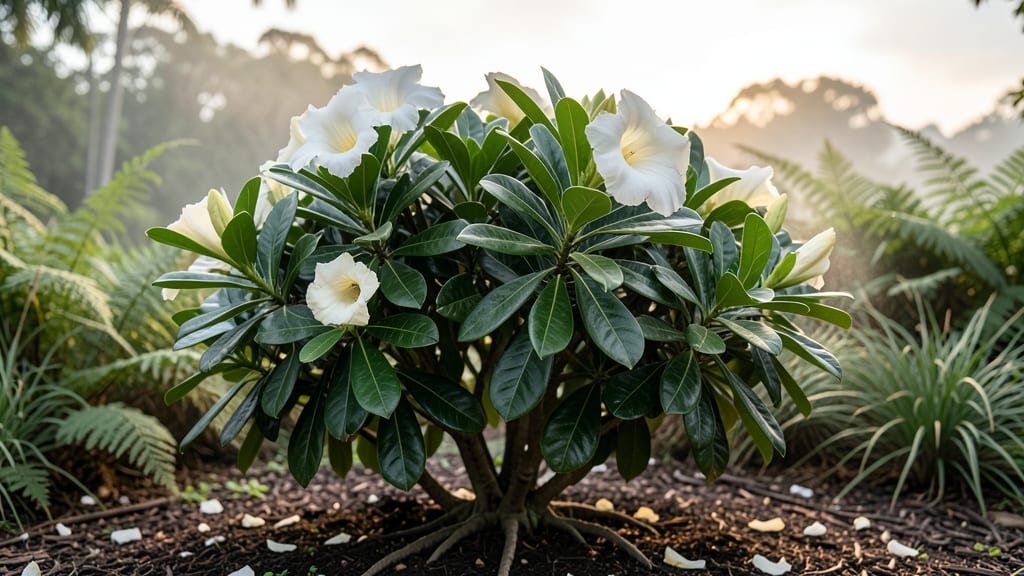
Gardenias grow anywhere from 2 to 6 feet tall, depending on the variety and growing conditions—so your space planning starts with knowing which type you’re bringing home.
If you're dreaming of fragrant gardenias but unsure whether they'll fit your garden's height requirements, you're not alone. Many gardeners overlook how dramatically their mature size varies by type—some stay compact like a 3-foot shrub, while others stretch toward 6 feet, making them small trees.
For example, the classic Gardenia jasminoides typically reaches 4 to 6 feet with proper care, while dwarf varieties like 'Kleim’s Hardy' top out at just 2 to 3 feet, perfect for containers or small yards.
Below, I’ll break down the height ranges by variety, share how sunlight, pruning, and soil affect growth, and give you the tips to keep your gardenia at the perfect size—whether you want a privacy screen or a potted centerpiece.


Gardenia mature height ranges by popular varieties
When planning your garden layout, knowing how tall gardenias grow is essential—especially since varieties range from compact shrubs to small trees. The most common type, Gardenia jasminoides, typically reaches 4 to 6 feet at maturity, but some varieties stay as short as 2 feet.
Understanding these differences helps you choose the perfect gardenia for your space, whether you need a fragrant border plant or a privacy screen.
Gardenias are prized for their glossy leaves and intoxicating blooms, but their height varies widely. For example, dwarf varieties like 'Radicans' stay under 3 feet, making them ideal for containers or small gardens.
Meanwhile, standard varieties like 'Kleim's Hardy' can tower up to 6 feet, perfect for larger landscapes. Let’s break down the most popular varieties and their mature heights to help you visualize their place in your garden.
Visualizing gardenia sizes is easier with real-world comparisons. A 3-foot gardenia is roughly the height of a standard kitchen counter, while a 6-foot specimen matches the height of a tall shrub or small tree. This range means gardenias can fit into almost any garden design—from patio pots to woodland edges—if you pick the right variety for your space.
If you’re working with limited space, dwarf varieties like 'Radicans' are perfect for containers or hanging baskets. Their trailing growth adds elegance to patios or balconies while keeping their height under control.
For medium-sized gardens, varieties like 'Fortuniana' or 'Veitchii' strike a balance, offering 3 to 5 feet of height with abundant blooms.
For those with larger properties, taller gardenias like 'Kleim's Hardy' or Gardenia augusta make stunning focal points. The latter can even reach 10 feet, turning into a small tree with the right care.
These varieties thrive in tropical or subtropical climates and add dramatic height to landscapes, especially when planted near water features or along driveways.
Choosing the right gardenia height also depends on your pruning goals. Most varieties respond well to light pruning after flowering to maintain shape and encourage bushier growth.
However, if you’re growing a taller variety like 'Kleim's Hardy,' regular pruning can keep it from becoming too leggy. Always use sterilized shears to prevent disease spread.
One common mistake is assuming all gardenias grow the same height. Gardenia augusta, for example, can easily outgrow a small garden, while 'Radicans' might feel lost in a large landscape.
By matching your garden’s scale and style to the variety’s mature height, you’ll create a harmonious design that highlights these fragrant beauties without overpowering your space.
Pro tip: If you’re unsure about a variety’s growth potential, start with a container-grown specimen to test its size before committing to planting. This way, you can observe its growth rate and habit firsthand and adjust your garden plan accordingly.
Most garden centers offer 1- to 3-gallon pots of mature gardenias, making it easy to assess their size before transplanting.
For maximum fragrance and blooms, pair taller gardenias with complementary plants that thrive at their base. Ferns, hostas, or impatiens add texture and color while keeping the gardenia’s glossy foliage as the star. With the right variety
Factors that influence gardenia growth height (and how to control it)
Understanding how tall your gardenia will grow depends on several factors, from its genetic variety to your care practices. While some gardenias naturally stay compact, others can reach small tree heights if left unchecked.
The good news? With the right techniques, you can guide their growth to fit your garden's vision—whether that's a neat hedge or a towering specimen plant.
Gardenias thrive in USDA Zones 6-10, but their height potential varies dramatically. For example, dwarf varieties like 'Radicans' max out at just 2-3 feet, while standard types like 'Kleim's Hardy' can soar to 6 feet or taller.
Your pruning habits, sunlight exposure, and soil conditions play equally critical roles in shaping their mature size.
- 1 Variety Selection: Choose dwarf gardenias (2-3 ft) for containers or standard types (4-6 ft) for borders. 'Radicans' stays compact, while 'Veitchii' can reach 8 ft.
- 2 Sunlight Exposure: Full sun (6+ hours) fuels rapid growth, while partial shade (4-6 hours) keeps plants shorter. Morning sun is ideal to prevent leaf burn.
- 3 Pruning Timing: Prune after flowering (late summer) to control height. Cut back 1/3 of new growth annually to encourage bushier, shorter forms.
- 4 Soil Acidity: Maintain pH 5.0-6.5 for optimal growth. Acidic soil prevents nutrient deficiencies that stunt height. Test soil annually and amend with sulfur if needed.
- 5 Watering Consistency: Overwatering causes leggy growth, while underwatering stunts development. Aim for 1-2 inches of water weekly during growing season.
To encourage compact growth, I recommend pruning young gardenias early to establish a dense branching habit. Use clean, sharp shears to make cuts just above leaf nodes, and avoid heavy pruning in winter when the plant is dormant.
For taller gardenias, focus on providing balanced sunlight and regular fertilization with a 10-10-10 NPK ratio during spring and summer.
One common mistake is assuming all gardenias grow the same height. For instance, Gardenia augusta (a tropical variety) can reach 10 feet in ideal conditions, while Gardenia jasminoides typically stays between 3-5 feet.
Always check the specific variety's tags or grower notes to avoid surprises. If you're growing gardenias in containers, choose dwarf varieties and prune regularly to maintain their size.
For large landscapes, consider using gardenias as privacy screens or specimen plants along driveways. Their glossy foliage and fragrant blooms add year-round interest, and their height can be managed with strategic pruning. Just remember: the healthier the plant, the more control you'll have over its growth trajectory.
Pro tip: If your gardenia starts growing too tall too quickly, reduce fertilizer applications slightly and provide afternoon shade to slow vertical growth. With patience and consistent care, you can shape your gardenia to become the perfect fit for your outdoor space. 🌿