
How To
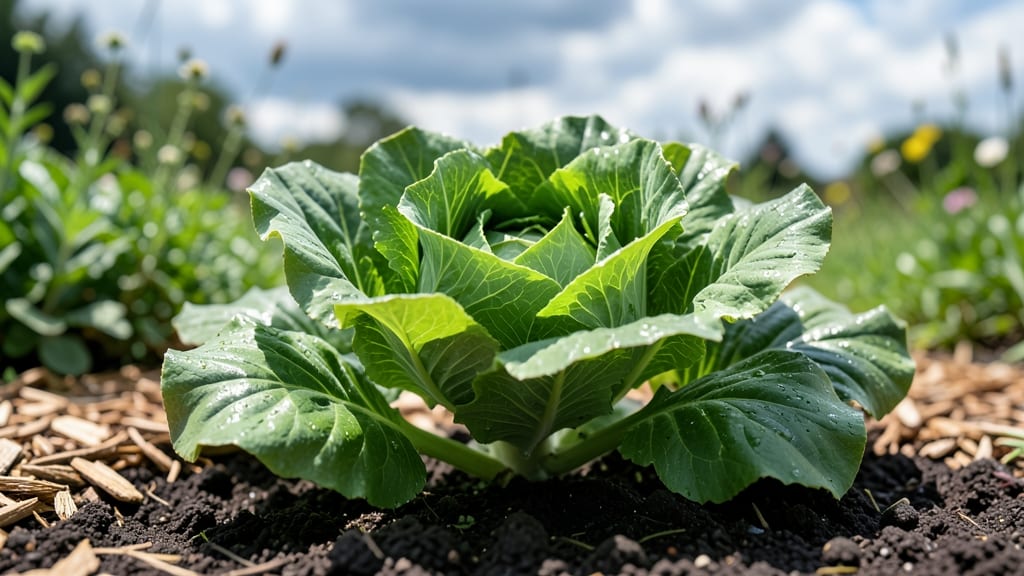
Growing a lettuce garden 🥬 is simpler than you’d expect, especially when you focus on the right timing, soil, and care.
Picture this: you’re biting into a crisp, homegrown leaf—no bitterness, no wilted edges—just fresh, tender greens ready in as little as 30 days.
Most gardeners struggle with bolting or slow growth, but the secret lies in choosing the right varieties, keeping the soil moist (not soggy), and giving your lettuce just enough shade to stay crisp.
In this guide, I’ll walk you through the fastest way to plant, nurture, and harvest your own lettuce—so you can enjoy that first fresh bite sooner than you think.


Step-by-step guide to planting lettuce for maximum yield
Growing a thriving lettuce garden starts with the right site selection and soil prep. Lettuce thrives in cool-season conditions and prefers well-draining soil rich in organic matter. Whether you're planting in a raised bed, container, or traditional in-ground plot, these steps will set you up for success.
I’ve learned from years of trials that pH levels between 6.0-7.0 and loose, crumbly soil are non-negotiable for crisp harvests.
Before planting, clear the area of weeds and rocks to give your lettuce room to grow. If your soil is heavy clay or sandy, mix in 2-3 inches of compost or aged manure to improve texture and fertility.
A simple soil test kit can help you adjust pH levels if needed—lettuce prefers slightly acidic to neutral soil. I always add a handful of worm castings for extra nutrients, and my plants reward me with faster growth and vibrant leaves.
Your Lettuce Planting Checklist
- ✅ Choose a location with 4-6 hours of sunlight
- ✅ Test and adjust soil pH to 6.0-7.0
- ✅ Loosen soil to 6-8 inches deep
- ✅ Mix in compost or aged manure
- ✅ Sow seeds ¼ inch deep
- ✅ Space seeds 12-18 inches apart
- ✅ Water gently to avoid disturbing seeds
- ✅ Mulch with straw to retain moisture
For direct sowing, scatter seeds thinly over the prepared bed, spacing them 12-18 inches apart for leaf lettuce or 12 inches apart for head varieties like romaine. If you’re planting in rows, space them 6-8 inches apart within rows and 18-24 inches between rows.
Press seeds lightly into the soil—just enough to cover them with ¼ inch of fine soil or compost. Overcrowding leads to weak, leggy plants, so resist the urge to plant too densely.
Watering is critical in the first 7-10 days to encourage germination. Keep the soil consistently moist but never soggy—lettuce roots need oxygen to grow. I use a fine-mist spray nozzle or watering can to avoid dislodging seeds.
After germination, reduce watering slightly but maintain 1 inch of water per week. Morning watering is best to prevent fungal diseases like downy mildew, which thrives in damp conditions.
If your seedlings emerge unevenly or look weak, thin them to the strongest 2-3 inches apart to give remaining plants more space. This might seem harsh, but it prevents competition for nutrients and sunlight. I’ve found that succession planting every 2 weeks in spring and fall ensures a continuous harvest.
For example, plant one batch in early March, another in late April, and one more in early September for fall harvests.
Watch for seedling rot or slow sprouting, which can signal overwatering or poor drainage. If seeds take longer than 10-14 days to sprout, check soil moisture and temperature—lettuce seeds need 60-70°F soil temps to germinate.
If your garden gets too hot (above 80°F), provide afternoon shade with a lightweight row cover or shade cloth to prevent bolting—the process where lettuce prematurely flowers and turns bitter.
Once seedlings reach 2-3 inches tall, they’re ready for light fertilization. Use a balanced 5-10-10 fertilizer or compost tea to encourage leafy growth. Avoid high-nitrogen fertilizers, which can cause rapid but weak growth.
I also recommend mulching with straw to retain moisture, suppress weeds, and keep soil temperatures stable. This simple step has cut my watering time in half and reduced stress on young plants.
By following these steps, you’ll be harvesting crisp, tender lettuce in as little as 30-45 days. The key is consistency—regular watering, proper spacing, and attention to soil health.
Even in my first year, I went from struggling with slow growth to enjoying fresh salads straight from the garden. With these techniques, you’ll be a lettuce-growing pro in no time! 🥬
Best lettuce varieties for fast harvests and heat tolerance
Not all lettuce varieties are created equal when it comes to speed of harvest or heat tolerance. If you're aiming for quick, crisp leaves or want to grow lettuce in hotter climates, choosing the right variety makes all the difference.
Leaf lettuces like Black Seeded Simpson can be ready in just 30 days, while heat-resistant romaine varieties like Jericho stay crispy even when temperatures rise. The key is matching your local climate and harvest timeline to the right type.
For continuous harvests, consider using a mix of leaf lettuce, romaine, and butterhead varieties. Leaf lettuces like Oakleaf offer cut-and-come-again growth, while butterhead types like Buttercrunch deliver tender, buttery leaves perfect for salads.
Meanwhile, romaine varieties such as Parris Island provide sturdy, upright growth that holds up well in warmer conditions. Each type has unique strengths, so let’s break down the best options for your garden.
| Variety Type | Days to Harvest | Heat Tolerance | Best For | Succession Planting |
|---|---|---|---|---|
| Leaf Lettuce (e.g., Black Seeded Simpson) | 28-35 | Moderate (bolts in heat) | Fast salads, cut-and-come-again | ✅ Weekly sowings |
| Romaine (e.g., Jericho) | 50-60 | High (heat-resistant) | Crisp heads, sandwiches | ✅ Staggered plantings |
| Butterhead (e.g., Buttercrunch) | 45-55 | Moderate (needs shade) | Buttery texture, salads | ✅ Partial shade |
| Looseleaf (e.g., Salad Bowl) | 30-40 | Moderate (fast-growing) | Quick harvests, containers | ✅ Frequent cuts |
If you're gardening in hotter regions, prioritize heat-tolerant varieties like Jericho romaine or Romaine Supreme. These varieties can withstand temperatures up to 85°F (29°C) without bolting, making them ideal for summer gardens or extended growing seasons.
For cooler climates, butterhead and leaf lettuces thrive in spring and fall, offering delicate flavors and tender textures. The secret to success? Succession planting—sow new seeds every 2-3 weeks to ensure a steady supply of fresh leaves.
For container gardening, opt for compact varieties like Little Gem romaine or Red Sails lettuce. These varieties grow well in 5-gallon pots and can be harvested continuously. If you're dealing with limited space, looseleaf lettuces are your best bet—they grow quickly and don’t require deep soil.
Pair them with companion plants like radishes or carrots to maximize space while deterring pests.
To extend your harvest season, try shade cloth or row covers during peak summer heat. This simple trick can lower soil temperatures by 10-15°F (5-8°C), preventing bolting and keeping leaves crisp and sweet.
Alternatively, plant heat-loving varieties like Malabar spinach (a non-true lettuce but heat-tolerant) as a backup. With the right mix of varieties and growing strategies, you can enjoy fresh lettuce from early spring to late fall.
Remember, the soil quality and watering routine play a huge role in flavor and growth speed. Use well-draining soil rich in organic matter and water deeply in the morning to keep roots cool.
With these tips, you’ll be enjoying homegrown lettuce that’s faster, fresher, and more flavorful than anything from the store. Happy planting! 🥬