
How To
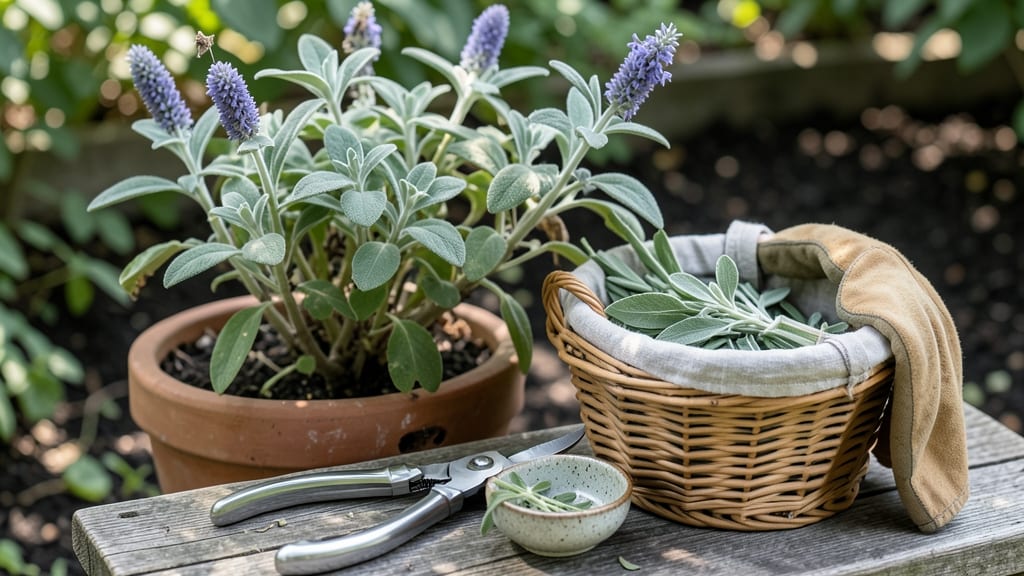
To harvest garden sage at its peak flavor, focus on timing and technique—because a few extra weeks or the wrong snip can turn your fragrant herb into bitter, woody scraps.
Harvesting garden sage at the right time can mean the difference between fragrant, flavorful leaves and bitter, woody stems—so timing and technique matter more than you think. 🌿
Most gardeners wait until late summer or early fall, when the plant is fully mature and the leaves are dark green, thick, and packed with that signature earthy aroma.
But if you miss this window—or worse, overharvest—you risk stunting your sage’s growth or ending up with stems that taste like sawdust.
In this guide, I’ll walk you through the exact when and how to snip sage for the best flavor, the tools you’ll need, and how to store your harvest so it stays fresh for months.
Whether you’re a beginner or a seasoned gardener, these tips will keep your sage thriving—and your kitchen smelling amazing.
When to harvest garden sage for maximum flavor & growth
Timing your garden sage harvest is everything—picking too early means weak flavor, while waiting too long turns leaves bitter and woody. The best harvest window spans from late summer to early fall, when plants are mature but haven't yet flowered.
This period (typically August through October) delivers the most aromatic, tender leaves for cooking or drying. But don't overlook spring harvests either, as young growth in early summer can also yield flavorful leaves if pruned correctly.
Sage thrives on regular pruning, but overharvesting weakens stems and reduces next year's yield. I recommend harvesting no more than one-third of the plant at a time, leaving enough foliage to support photosynthesis.
For first-year plants, wait until they reach 6-12 inches tall before cutting—this ensures a strong root system to fuel future growth. Skipping this step often leads to stunted plants that struggle to recover.
Visual cues are your best guide: look for dark green, thick leaves with a strong earthy scent when crushed. If leaves appear pale, sparse, or develop a woody texture, it's past prime. The ideal harvest moment is just before flowering, when the plant directs energy into leaf production rather than seed development. This timing maximizes both flavor intensity and plant health.
| Season | Optimal Harvest Time | Plant Height | Leaf Characteristics |
|---|---|---|---|
| Spring | Early June (after last frost) | 6-12 inches | Tender, bright green, mild aroma |
| Summer | July-August (before flowering) | 12-24 inches | Firm, dark green, strong scent |
| Fall | September-October (peak maturity) | 24+ inches | Thick, aromatic, slightly woody stems |
| Winter | None (dormant period) | N/A | Avoid harvesting; focus on protection |
For year-round harvesting, I prioritize late summer and early fall cuts, as this aligns with the plant's natural growth cycle. In USDA Zone 6a, where many gardeners grow sage, the ideal harvest window extends from mid-August to early October, just before the first frost.
If you miss this window, don't despair—spring regrowth in April or May can still yield usable leaves, though they'll be less potent than fall harvests.
One common mistake is harvesting flowering stems, which contain the most bitter compounds. Always snip above a leaf node to encourage bushier growth. I also avoid cutting into woody stems, as these won't regenerate.
Instead, focus on the tender new growth at the tips of branches. This selective approach keeps your sage productive for years while maintaining its signature earthy, pine-like aroma.
If your sage plant is younger than 2 years old, limit harvests to 2-3 times per year to prevent stress. Mature plants (3+ years) can handle 4-5 harvests annually, but always leave at least half the foliage intact.
Overharvesting in a single season can lead to dieback or even plant death, especially in drought-prone areas. I've seen sage bushes recover from light overharvesting, but severe cuts often require a full year of recovery.
For container-grown sage, timing matters even more due to limited root space. Harvest no more than 10-15% of the plant at once, and always prune after watering to reduce stress.
Potted sage also benefits from annual repotting in early spring to refresh the soil and encourage vigorous growth before the harvest season. This simple step can double your yield in subsequent years.
Pro tip: Mark your harvest calendar with the new moon in late summer—this lunar phase aligns with the plant's natural energy cycles and often yields the most fragrant leaves. While not scientifically proven, many herbalists swear by this timing for optimal flavor and vitality.
Pair this with morning harvests (when essential oils are most concentrated) for the best results.
Remember, sage is a perennial, meaning it returns year after year with proper care. By mastering the art of selective harvesting, you'll enjoy abundant, flavorful leaves for decades. Start with small cuts, observe your plant's response, and adjust your timing based on its growth patterns.
With practice, you'll develop an instinct for the perfect harvest moment—when flavor and sustainability are in perfect balance.
Step-by-step guide to harvesting sage without damaging your plant
Harvesting your garden sage correctly keeps it healthy and productive. The key is using the right cutting techniques and tools to avoid stressing the plant. Overharvesting or using dull shears can leave your sage looking ragged and stunted.
Let’s break down how to harvest like a pro while keeping your plant thriving.
Before you begin, make sure your sage plant is mature—at least 6-12 inches tall—and that the leaves are dark green and fragrant. Avoid harvesting when the plant is flowering, as this reduces flavor and vigor. With the right approach, you’ll get peak-flavor leaves while encouraging bushier growth.
Step-by-Step Guide to Harvesting Sage
- Step 1: Choose the Right Tools Use clean, sharp pruning shears or scissors. Dull tools crush stems, making the plant more susceptible to disease. Sterilize your tools with rubbing alcohol before and after use.
- Step 2: Pick the Best Leaves Focus on harvesting from the outer stems first. These leaves are fully mature and won’t stunt new growth. Avoid cutting into the center of the plant, as this can expose tender growth to pests.
- Step 3: Snip Correctly Cut just above a leaf node (where leaves meet the stem). This encourages new growth from that point. Never remove more than one-third of the plant at once to avoid shock.
- Step 4: Prune for Shape If your sage looks leggy, trim the tips of the longest stems to promote bushier growth. This also prevents the plant from becoming woody and less flavorful.
- Step 5: Revive After Harvesting After harvesting, water your sage deeply to help it recover. If you’ve taken too much, reduce watering slightly until new growth appears to prevent stress.
- Step 6: Store Properly Bundle harvested stems and hang them upside down in a dry, dark place for 1-2 weeks to dry. Alternatively, freeze leaves in an airtight container for freshness.
One common mistake is harvesting too aggressively in early spring. Your sage needs time to establish strong roots before heavy pruning. Another pitfall is cutting into woody stems—this can kill the plant. Always aim for tender, green growth when snipping.
After harvesting, monitor your sage for signs of stress, like yellowing leaves or slow growth. If this happens, reduce future harvests and focus on watering and sunlight. With the right care, your sage will bounce back and keep producing flavorful leaves all season long.
Pro tip: Harvest your sage in the morning after dew dries. This ensures the leaves are fully hydrated and packed with flavor. Avoid harvesting after rain, as wet leaves can develop mold during drying.