
How To
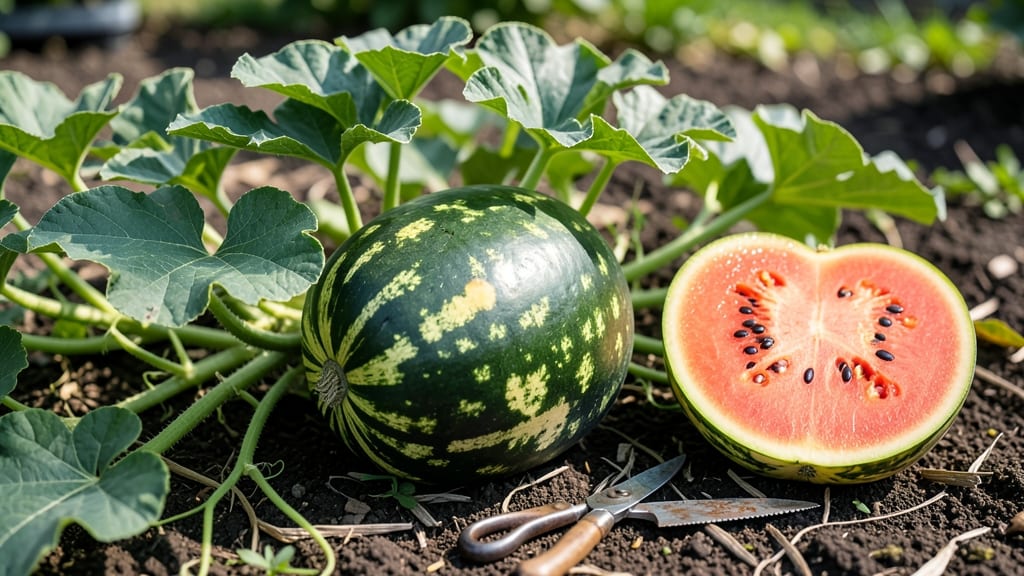
Knowing when to pick watermelon from your garden means catching peak sweetness without waiting too long—because that overripe fruit is a sad, seedy mess.
You’ve spent weeks tending to your 🍉 vines, and now the moment of truth arrives: Is that rind just right, or are you about to miss the window? The answer lies in three simple field tests that skip the guesswork and tell you exactly when to harvest.
From the classic thump test to the often-overlooked curl of the vine, these cues work for most varieties—though a few exceptions (like heirloom types) need a little extra attention. No cutting required.
Below, I’ll walk you through each method, plus how to avoid the two biggest mistakes that trick even experienced gardeners into picking too early—or too late.

3 Field tests to check watermelon ripeness without cutting
There’s nothing worse than slicing into a watermelon only to discover it’s either seedy and overripe or tasteless and underripe. The good news? You don’t need to cut into your watermelon to test its ripeness.
Instead, use these three simple field tests that rely on visual cues and tactile checks to determine if your watermelon is ready for harvest. These methods work for most varieties, though heirlooms may vary slightly.
These tests are perfect for home gardeners who want to avoid guesswork. Whether you’re growing sugar baby, Crimson Sweet, or Seedless varieties, these techniques will help you pick the sweetest, most flavorful watermelon from your garden.
The best part? You don’t need any special tools—just your hands, eyes, and a little patience.
- 1. Thump Test: Tap the watermelon with your knuckles—ripe fruit sounds dull and hollow. Underripe melons sound sharp and high-pitched.
- 2. Curl Test: Check the vine near the fruit—if the tendril closest to the watermelon has turned brown and dried, it’s ready.
- 3. Ground Spot Check: Look for a cream or yellow patch where the watermelon rested on the ground. This indicates sun exposure and ripening.
The thump test is my go-to method because it’s quick and reliable. Simply tap the watermelon’s blossom end (the flat side where the stem was attached) with your knuckles. A ripe watermelon will produce a deep, hollow sound, almost like knocking on a wooden door.
If it sounds more like a drum, it’s not ready yet. This test works because the internal structure of a ripe watermelon changes—its flesh becomes denser and its seeds more developed.
Next, try the curl test, which focuses on the vine’s behavior. Watermelons are vining plants, and their tendrils tell a lot about ripeness. Look for the small tendril closest to the fruit—this is the one that connects directly to the vine.
If it’s brown, crispy, and dried out, your watermelon is ready to pick. This tendril dries up as the fruit matures, signaling that nutrients are fully transferred from the vine to the melon. Don’t ignore this cue—it’s one of the most reliable indicators!
For the ground spot check, inspect the part of the watermelon that touched the soil. A ripe watermelon will have a cream-colored or yellowish patch on this side. This happens because the ground blocks sunlight, causing the rind to change color as it ripens.
If the patch is still green, wait a few more days. This test is especially useful for striped varieties, where color changes can be harder to spot on the top.
Don’t rely on size alone—some watermelons, like sugar babies, stay small but become incredibly sweet when ripe. Others, like Crimson Sweet, can grow large but remain underripe inside.
Always combine these tests for the best results. For example, a watermelon might pass the thump test but still have a green ground spot—wait another day or two before harvesting.
If you’re growing multiple varieties, pay attention to their specific ripening times. Some, like heirloom varieties, take longer to mature and may require an extra week or two. Keep a harvest journal to track when your plants typically produce ripe fruit.
This way, you’ll start checking for ripeness at the right time, saving yourself the hassle of repeated tests.
One common mistake is picking watermelons based on color alone. While a deep, consistent color is a good sign, some watermelons—especially yellow-fleshed varieties—won’t develop their full hue until they’re fully ripe.
Always pair color with the other two tests to avoid disappointment. And remember, watermelons won’t ripen further once picked, so timing is everything!
Finally, if you’re unsure, go ahead and harvest a watermelon that’s close to ripe—it’ll keep for a few days at room temperature. But if you’re dealing with hot summer weather, act fast.
Overripe watermelons can spoil quickly, especially if they’ve been sitting on the vine too long. Trust your instincts, and soon you’ll be picking perfectly ripe watermelons every time.
Watermelon ripeness timeline: when to expect harvest based on plant growth
Understanding your watermelon's growth stages is the key to timing harvests perfectly. From flowering to vine drying, each phase brings you closer to that juicy, sweet reward—but only if you know what to watch for.
The timeline varies by variety and climate, but these milestones apply universally to most garden-grown watermelons.
Most watermelons take 75-90 days from planting to harvest, but dwarf varieties can mature in as few as 60 days, while heirlooms may stretch to 100 days.
Hot climates speed up ripening, while cooler zones can extend the process by weeks. Paying attention to these stages helps you avoid the disappointment of underripe or overripe fruit.
The flowering stage marks the beginning of your countdown. Female flowers (with tiny melons at their base) signal fruit development. In hot climates, this stage can last just 2 weeks, while cooler regions may take 3-4 weeks.
During this time, prioritize consistent moisture—drought stress here can lead to blossom-end rot or stunted growth.
Once your watermelons reach 4 inches in diameter, they enter the rapid growth phase.
This is when the rind toughens and the blossom-end spot (near the stem) begins changing from green to cream or yellow. Dwarf varieties like 'Sugar Baby' may be ready in as few as 60 days, while standard types like 'Crimson Sweet' often need 75-90 days.
Pay close attention here—this is where most gardeners make their first mistake by picking too early.
By the time your watermelon reaches full size (usually 10-15 pounds for standard varieties), the vine near the fruit should start yellowing and drying. This is your final cue that ripening is complete.
If you wait too long past this point, the vine will completely brown, and the fruit may develop a hollow sound when tapped—signs of overripeness. In short-season climates, this phase can happen as early as July, while longer growing seasons may extend harvests into September.
Pro tip: Keep a harvest journal to track your watermelon's progress. Note the days to maturity for your specific variety and adjust future plantings based on your local climate.
For example, if your 'Charleston Gray' melons ripen in 80 days in your zone, you’ll know to plant earlier next year to avoid early fall frosts. With practice, you’ll develop an instinct for when to pick—no more guessing games!