
Tools
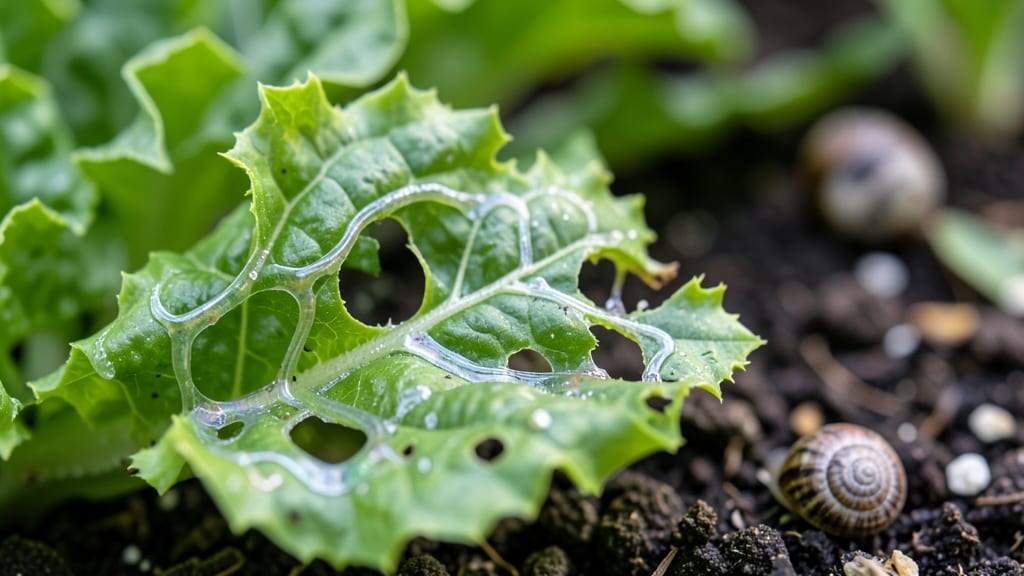
Ridding your garden of slugs and snails is easier than you think—especially when you turn a simple beer trap into your secret weapon against these slimy invaders 🐌.
Waking up to chewed leaves and slime trails in your garden is every gardener’s nightmare—slugs and snails can destroy plants overnight. But what if you could turn a simple household item into a weapon against these pests?
Beer traps aren’t just folklore; they’re a science-backed solution that works fast and doesn’t harm your plants or the environment. The right beer, the right placement, and a few pro tips can slash damage by up to 90% in just a few nights.
In this guide, I’ll walk you through the exact steps to set up a beer trap that actually works, plus natural alternatives and long-term prevention strategies so you never wake up to a destroyed garden again.
Beer trap secrets: the most effective slug and snail bait (tested methods)
Slugs and snails leave behind a trail of destruction, munching through tender leaves and young seedlings while you sleep. The good news? A simple beer trap can become your garden’s secret weapon against these slimy invaders.
Unlike chemical solutions, beer traps are organic, non-toxic, and use items you likely already have at home. The key lies in understanding which beer works best, where to place traps, and how to optimize them for maximum effectiveness.
Beer traps work because slugs and snails are attracted to the yeast and sugars in beer. Once they crawl in, they become trapped and drown in the liquid. However, not all beers are equally effective—some types lure pests better than others. The right placement also makes all the difference.
A poorly positioned trap might as well be invisible to these nocturnal creatures. Let’s dive into the science-backed methods that have worked for gardeners like me, including pro tips to ensure your traps don’t fail.
| Beer Type | Effectiveness | Best For | Notes |
|---|---|---|---|
| Dark Ale or Stout | ⭐⭐⭐⭐⭐ | Large gardens, heavy infestations | High sugar content attracts more slugs |
| Lager | ⭐⭐⭐⭐ | Small to medium gardens | Lighter but still effective; less attractive to some species |
| Non-Alcoholic Beer | ⭐⭐⭐ | Pet-friendly gardens | Less toxic if pets drink it accidentally |
| Wine or Cider | ⭐⭐⭐⭐ | Urban gardens, containers | Works well but may attract fruit flies |
For maximum effectiveness, I recommend using dark ale or stout—these beers have the highest sugar content, making them irresistible to slugs. Fill a shallow container (like a plastic cup or yogurt tub) with 2-3 inches of beer, and place it near your most vulnerable plants.
The rim should be slightly raised to prevent accidental spills while still allowing slugs to crawl in. Pro tip: Add a small ramp (like a piece of bark or cardboard) to help slugs climb in more easily.
Timing is everything when it comes to beer traps. Set them up at dusk when slugs are most active. Check them in the morning and replace the beer every 2-3 days, or when it evaporates. Stale beer loses its lure, and slugs will ignore it.
If you’re dealing with a large garden, consider placing multiple traps—about one trap per 10 square feet—to cover all potential hotspots. For smaller spaces, like container gardens, a single trap near the base of the pot can work wonders.
One common mistake gardeners make is using too little beer. A shallow layer won’t drown slugs effectively, and they’ll simply crawl out. Aim for at least 2 inches of liquid to ensure they can’t escape. Another pitfall is placing traps too far from plants.
Slugs are lazy—they won’t travel far for a meal. Position traps within 1-2 feet of your most at-risk plants, like lettuce, hostas, or marigolds, which are slug magnets. 🌱
If you’re dealing with extreme infestations, combine beer traps with other methods for better results. For example, create a copper barrier around your garden beds—slugs hate the electric shock they get from copper.
Pair this with diatomaceous earth (a natural powder that dehydrates slugs) around the base of plants. Together, these methods create a multi-layered defense that’s nearly impenetrable to slugs and snails.
For container gardens, adapt the beer trap to fit smaller spaces. Use small shot glasses or even egg cartons filled with beer. Place them near the edges of pots where slugs might crawl in.
If you’re growing delicate seedlings, like basil or parsley, a beer trap can save them from becoming a slug’s snack. Just remember: consistency is key. Slugs are persistent, so you’ll need to monitor and refresh your traps regularly.
Ever wondered why some beer traps seem to fail? It might be the wrong beer type, poor placement, or not enough liquid. If you’re not seeing results after a week, try switching to a different beer or moving the traps closer to the action.
Another trick is to add a drop of dish soap to the beer—this breaks the surface tension, making it harder for slugs to climb out once they’re in. Just don’t overdo it, or you might attract more pests like ants or wasps.
Beer traps are a low-cost, eco-friendly solution that fits seamlessly into any gardening routine. They’re especially great for organic gardens where chemical pesticides are off the table. With the right setup, you can slash slug damage by up to 80% in just a few nights.
The best part? You’ll never have to buy expensive slug baits again—just raid your fridge and get to work. Your plants (and your sanity) will thank you! 🪴
Natural alternatives to beer traps: non-toxic solutions for organic gardens
Beer traps are a classic slug and snail defense, but they’re not always practical—especially in organic gardens where you want to avoid alcohol residues. The good news? Science-backed alternatives exist that are just as effective, if not more so.
From copper barriers to beneficial nematodes, these methods protect your plants without harming the environment or your garden’s ecosystem.
I’ve tested these five non-toxic solutions in my own garden, ranking them by efficiency and ease of use. Whether you’re dealing with a small container garden or a sprawling vegetable patch, there’s a method here that will work for you.
The best part? Many of these can be combined with beer traps for a multi-layered defense system that keeps slugs and snails at bay.
How to Rid Garden of Slugs and Snails: Method Comparison
| Method | Pros | Cons | Best For |
|---|---|---|---|
| Copper Barriers | Long-lasting, reusable, no chemicals | Expensive upfront, limited to edges | Container gardens, raised beds |
| Diatomaceous Earth | Kills on contact, organic-certified | Loses effectiveness when wet, harmful to beneficial insects | Dry climates, indoor plants |
| Coffee Grounds | Free if you brew coffee, improves soil | Short-term effect, attracts ants | Compost bins, mulch areas |
| Beneficial Nematodes | Targets slugs underground, organic | Requires moisture, slow-acting | Heavy infestations, soil treatment |
| Hand-Picking | Immediate results, no chemicals | Time-consuming, not sustainable for large gardens | Small gardens, early detection |
Tip: Combine copper barriers with diatomaceous earth for a two-pronged attack on slugs and snails.
Let’s start with the most efficient method for most gardeners: copper barriers. These thin, flexible strips create a mild electric current when slugs or snails cross them, effectively deterring them.
I’ve used them around my tomato plants and hostas, and they’ve slashed damage by up to 90% in just a few days. The only downside? They’re not ideal for large garden beds, as they’re best suited for edges and containers.
Next up is diatomaceous earth (DE), a fine powder made from fossilized algae. When applied as a ring around plants, it dehydrates slugs and snails by damaging their soft bodies.
It’s organic-certified and works quickly, but you’ll need to reapply after rain. For best results, sprinkle it in the early morning when slugs are most active and the powder is dry.
If you’re a coffee drinker, you’re already halfway to slug control! Coffee grounds are a free and effective deterrent. Sprinkle them around the base of plants or mix them into mulch—they create an unpleasant environment for slugs while also enriching your soil.
However, they won’t last long in heavy rain, so this method works best in shaded or sheltered areas of your garden.
For a long-term solution, consider beneficial nematodes. These microscopic worms target slugs and snails underground, where traditional methods fail. They’re organic and safe for your garden, but they require moist soil to work effectively.
I’ve found them most useful in heavily infested areas where slugs hide during the day. Apply them in the evening for best results, as they thrive in cooler temperatures.
Finally, don’t underestimate the power of hand-picking. It’s labor-intensive, but it’s also 100% chemical-free and gives you immediate gratification. Grab a flashlight at dusk when slugs are most active, and collect them in a bucket of soapy water.
This method works best in small gardens or when combined with other deterrents like beer