
Pests
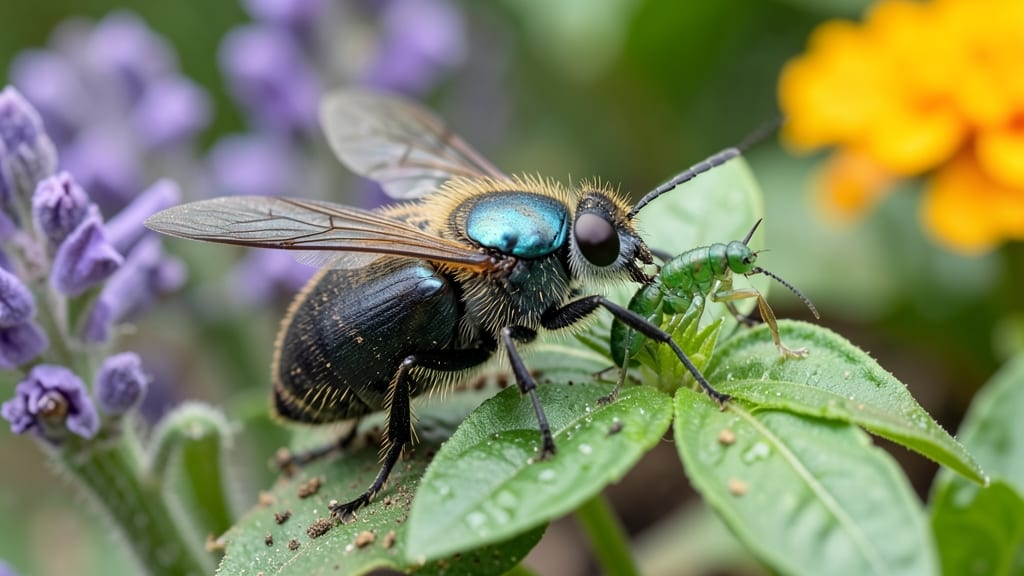
Identifying insects in garden identification is the first step to protecting your plants without harming the helpful ones 🌱 — and getting it wrong can turn a thriving garden into a pest battleground.
Struggling to tell whether that tiny invader is a hungry caterpillar or a harmless ladybug? Misidentifying insects can mean the difference between a thriving garden and a ruined harvest. The key is learning their telltale signs: body shape, color patterns, and the kind of damage they leave behind.
This quick guide covers 10+ common garden insects, from destructive aphids to beneficial pollinators, so you can spot them fast and act with confidence. No more guessing whether to spray or let them be.
You’ll also discover organic solutions tailored to each insect, plus early warning signs to catch problems before they spread. Let’s turn your garden into a balanced ecosystem—starting with the right ID.
How to identify common garden insects by appearance and damage signs
Spotting the difference between a harmless ladybug and a destructive Japanese beetle can save your garden. Many gardeners confuse beneficial insects with pests, leading to unnecessary sprays or missed opportunities to attract natural predators.
The key lies in body shape, color patterns, and the type of damage they leave behind.
Start by examining the leaf surfaces and plant stems. Aphids leave behind sticky honeydew, while caterpillars create ragged holes in leaves. Even the size of the insect matters—tiny mites cause stippling, while beetles chew larger chunks.
Grab a magnifying glass or use your phone’s camera to zoom in on suspicious critters.
A quick body shape check can narrow it down fast. Soft-bodied insects like aphids or whiteflies are easy to crush, while beetles have hard shells. Look for wings, antennae length, and whether they fly or crawl. These clues help differentiate between pests and their natural enemies.
Here’s a visual guide to the most common garden insects you’ll encounter, including their distinctive damage and how to tell them apart at a glance:
| Insect | Appearance | Damage Signs | Behavior | Pest Level |
|---|---|---|---|---|
| Aphids | Green, black, or brown; soft-bodied; 1/16" long | Curled leaves, sticky honeydew, sooty mold | Cluster on new growth | High |
| Caterpillars | Green, brown, or striped; fuzzy or smooth; 1/2" to 2" | Large, irregular holes in leaves; frass (chewed debris) | Feed openly during day/night | High |
| Japanese Beetles | Green head, copper wings; 1/2" long; metallic sheen | Skeletonized leaves; chewed flower petals | Feed in groups; fly in late summer | Very High |
| Ladybugs | Red/orange with black spots; 1/4" long; dome-shaped | None (beneficial) | Eat aphids; fly or crawl slowly | Beneficial |
| Whiteflies | Tiny, white, moth-like; 1/16" long; fly when disturbed | Yellowing leaves; sticky residue on undersides | Cluster on leaf undersides | High |
| Beetles (e.g., Colorado Potato Beetle) | Yellow/orange with black stripes; 1/2" long; hard shell | Chewed holes in leaves; eggs in clusters | Feed during day; hide in soil at night | Very High |
| Spider Mites | Red/yellow; tiny; 8 legs; almost invisible | Stippling (tiny dots) on leaves; webbing | Thrive in dry
Natural solutions for garden pests: organic remedies by insect typeOnce you've identified the garden pests wreaking havoc, the next step is choosing the right organic remedy. Different insects respond best to specific treatments, so let's explore targeted solutions that work without harsh chemicals. My favorite approach combines natural repellents, beneficial insects, and plant-based defenses for effective pest control. For soft-bodied pests like aphids, mealybugs, and whiteflies, I reach for neem oil mixed with a drop of dish soap. This combination smothers pests while disrupting their life cycles. Always apply in the early morning or late evening to avoid harming beneficial insects like ladybugs that are active during the day.
Neem Oil for Soft-Bodied Pests
Pros
Cons
Companion Planting for Aphids
Pros
Cons
Beneficial Insects (Ladybugs)
Pros
Cons
For caterpillars and beetles, I turn to Bacillus thuringiensis (Bt), a natural bacteria that targets only specific pests. Mix it with water and spray directly on affected leaves. This remedy is particularly effective for tomato hornworms and colorado potato beetles, which can devastate plants quickly if left unchecked. My go-to solution for slugs and snails is a simple barrier of crushed eggshells or diatomaceous earth around vulnerable plants. For ant infestations, I create homemade bait stations using borax and sugar—just be sure to place them where children and pets can't access them. Always apply these remedies in the evening to maximize effectiveness. One of my most successful strategies involves beneficial insects. Introducing ladybugs or lacewings can dramatically reduce aphid populations within weeks. To attract them, plant dill, fennel, or marigolds nearby. These flowers provide nectar while creating habitats where beneficial insects can thrive. When dealing with root maggots or wireworms, I focus on soil health. Adding compost and organic matter improves soil structure, making it less hospitable for these pests. For Japanese beetles, I've had great success with milky spore powder, which establishes long-term control in the soil. Remember, the key to organic pest control is consistency and prevention. Rotate your methods seasonally to avoid resistance, and always monitor your garden regularly. With these natural solutions, you can maintain a healthy ecosystem while keeping pests in check—without compromising your plants' well-being. 🌱 |