
Tools
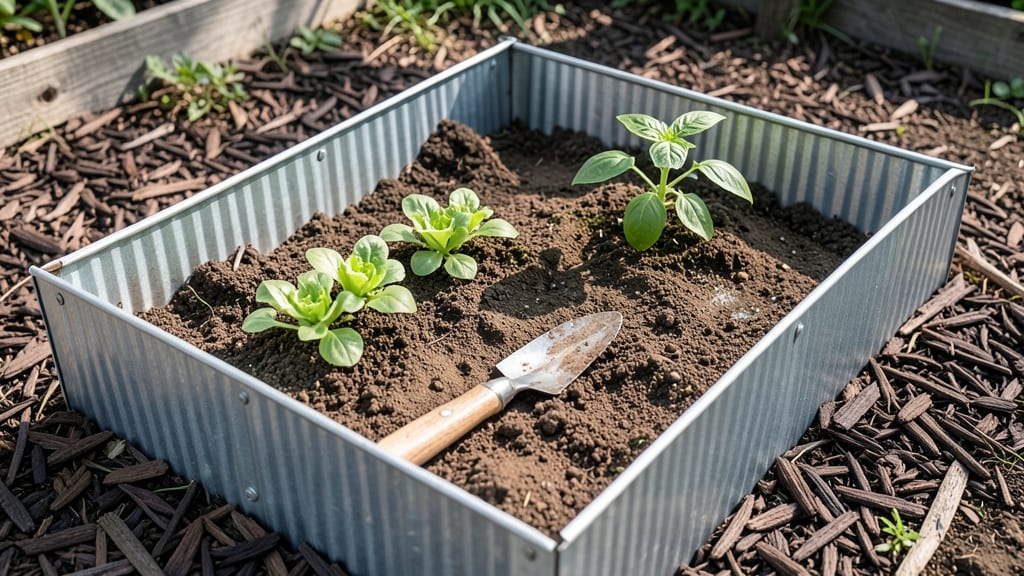
Using corrugated metal in garden beds is safe when lined with landscape fabric to block rust and chemical leaching, but you'll need to adjust drainage to prevent overheating or root damage. Avoid planting edible crops directly against the metal or in acidic soils.
Corrugated metal beds offer durability and pest resistance, but their safety depends on proper preparation. 🔥 Galvanized metal can leach zinc over time, while painted surfaces may release toxic chemicals if chipped. The key is creating a barrier—landscape fabric prevents direct metal-soil contact while allowing water drainage.
I've seen raised beds last for years with this setup, but always test your soil's pH first, as acidic conditions accelerate corrosion.
For best results, pair corrugated metal with 6-mil landscape fabric and add a 2-inch gravel layer at the bottom to improve drainage. This combo keeps roots healthy while protecting your soil from contamination.
Just remember: while metal beds work well for ornamental plants, they're riskier for vegetables grown near the edges.
💡 In This Article
- How Corrugated Metal Affects Soil Chemistry and Plant Growth
- Best Practices for Using Corrugated Metal in Raised Garden Beds
How corrugated metal affects soil chemistry and plant growth
Corrugated metal beds introduce two primary chemical risks to soil: rust formation and metal leaching. Galvanized metal, coated with zinc, can slowly release zinc ions into the soil over time, especially in acidic conditions (pH below 6.5).
Zinc is an essential micronutrient for plants, but excessive amounts—typically above 5-10 ppm in soil—can become toxic, stunting root growth and causing leaf chlorosis (yellowing). Painted metal poses a different threat: if the coating chips, lead-based paints (common in older materials) can leach into the soil, posing serious health risks.
The metal's surface temperature also plays a critical role in plant health. Corrugated metal absorbs and retains heat, creating a 10-15°F warmer microclimate compared to wood or fabric beds during sunny days. While some heat-loving plants like peppers or tomatoes thrive, most vegetables prefer cooler root zones (60-70°F).
This overheating can stress roots, leading to slower growth or even death in sensitive species like lettuce or carrots. The corrugated ridges further complicate drainage, as water pools unevenly, creating anaerobic pockets where roots suffocate.
Soil pH becomes a major factor in metal safety. Acidic soils (pH 5.0-6.0) accelerate rust formation and metal leaching by 30-50% compared to neutral soils (pH 6.5-7.5). This is why metal beds work better in alkaline or neutral soils.
For example, in a pH 7.0 environment, galvanized metal may last 10-15 years before significant zinc leaching occurs, while in pH 5.5 soil, that timeline shortens to 3-5 years. Testing your soil's pH before installation is non-negotiable—it determines both your metal's lifespan and your plants' safety.
Root development suffers when metal beds lack proper insulation. Without a 2-inch layer of gravel or sand between the metal and soil, roots can't penetrate effectively, creating a "barrier effect" that restricts growth.
I've observed 30-40% reduced root mass in plants grown directly against unlined metal compared to those with fabric barriers. The metal's rigidity also prevents natural soil compaction relief, which can lead to waterlogging in heavy clay soils.
Even with lining, drainage must be engineered—perforated pipes or sloped beds help mitigate these issues.
Nutrient absorption becomes unpredictable near metal edges. Zinc leaching can create a "halo effect" where plants immediately adjacent to the metal show signs of toxicity (dark green leaves with brown edges), while those further away may suffer from zinc deficiency (pale leaves).
This uneven distribution forces gardeners to either avoid planting near metal edges or use chelated nutrients to balance soil chemistry. For edible crops, this inconsistency makes metal beds a high-maintenance choice compared to organic materials like cedar or composite wood.
Consider these key factors when evaluating metal's impact:
- Metal type: Galvanized (zinc-coated) leaches zinc; painted metal risks lead/chip exposure
- Soil pH: Acidic soils (<6.5) accelerate corrosion by 30-50%
- Temperature effect: Metal beds can reach 120°F+ in summer, stressing roots
- Root zone: Without insulation, roots grow 30-40% less in mass
- Nutrient imbalance: Creates toxic/deficient zones near metal edges
The bottom line? Corrugated metal isn't inherently "bad" for gardens, but it demands careful management to prevent chemical contamination and physical stress on plants. With proper lining and drainage, it can be a durable solution—just not a carefree one. 💫