
Planting
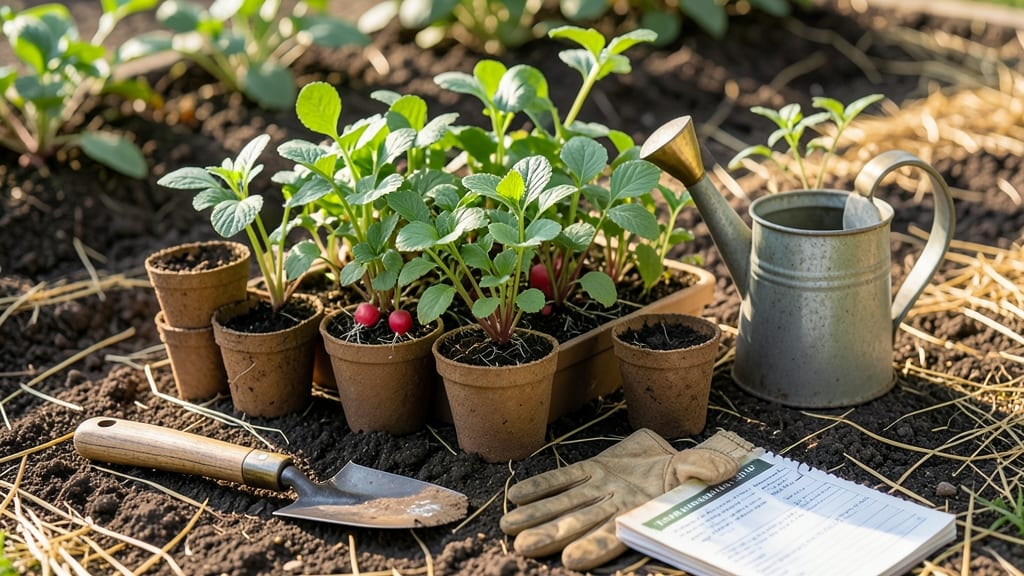
June isn’t too late to plant a garden—focus on fast-growing heat-tolerant crops like beans, cucumbers, and summer squash, or opt for leafy greens like lettuce and spinach in cooler climates. Use shade cloths and mulch to protect young plants from intense sun and dry soil.
Planting in June works best with crops that thrive in warm soil and can mature quickly before fall. 🌱 The key is selecting varieties that handle heat well—think bush beans, zucchini, or radishes—while avoiding delicate plants like tomatoes or peppers that struggle with late-season heat.
I've had great success with quick-harvest crops in my zone 7 garden, even when starting in June, by prioritizing afternoon shade and consistent moisture. The right mulch can make all the difference too—straw or wood chips help retain soil moisture while keeping roots cool.
For cooler regions, leafy greens like kale or arugula often surprise gardeners with their resilience, especially when planted in partial shade. The trick is to monitor soil temperatures—most warm-season crops need soil at 60°F or above—and adjust watering to early morning sessions to prevent evaporation.
I always test my soil moisture by squeezing a handful; if it crumbles easily, it's time to water again.
💡 In This Article
- Heat-Tolerant Crops You Can Still Plant in June
- June Gardening Success: Watering, Mulching, and Shade Strategies
Heat-tolerant crops you can still plant in June
June planting thrives on selecting crops that mature rapidly—typically in 45-60 days—to outpace summer's heat. The best performers include bush beans, which germinate in just 5-10 days at soil temperatures of 70-85°F, and cucumbers that climb to harvest in 50-65 days.
Zucchini and summer squash also excel, producing edible fruits in 40-55 days while tolerating afternoon sun better than tomatoes. 🌿 These crops thrive because their shallow root systems absorb moisture quickly, and their waxy leaves reduce water loss during peak heat.
Herbs like basil and cilantro offer another late-season option, with basil reaching harvestable size in 30-45 days and cilantro maturing in 35-50 days. Both prefer full sun but benefit from afternoon shade in zones 8-10, where temperatures often exceed 90°F.
For flowers, sunflowers and marigolds are excellent choices—they germinate within 7-14 days and bloom within 60-70 days, providing both pollinator support and visual interest while requiring minimal care.
The secret to their success lies in their ability to handle high temperatures through a process called heat acclimation. These plants develop thicker cuticles (the plant's outer skin layer) when exposed to heat, which reduces water loss.
For example, cucumbers naturally produce more wax on their leaves when daytime temperatures exceed 85°F, creating a protective barrier. This adaptation allows them to continue photosynthesizing efficiently even when soil moisture drops, making them ideal for June planting in regions like the South or Southwest.
Regional considerations play a crucial role—cooler climates (zones 3-6) can still grow leafy greens like lettuce or spinach when planted in partial shade, while warmer zones (7-10) should focus on heat-tolerant varieties.
For instance, Malabar spinach thrives in 90°F+ conditions, producing edible leaves within 40-50 days, whereas traditional spinach bolts (goes to seed) within weeks in summer heat. Always check seed packets for "days to maturity" and "heat tolerance" ratings to make informed choices.
Consider these top performers for June planting:
- Bush beans: Ready in 45-55 days, prefers 70-85°F soil
- Cucumbers: Harvest in 50-65 days, needs trellis support
- Zucchini: Produces in 40-55 days, thrives in 75-90°F
- Sunflowers: Blooms in 60-70 days, attracts pollinators
- Malabar spinach: Edible in 40-50 days, heat-resistant
When selecting varieties, prioritize those labeled "early maturing" or "heat-tolerant"—these terms indicate breeds specifically bred to handle June's challenges. For example, the 'Straight Eight' bush bean variety matures 10 days faster than standard types, giving it a competitive edge in hot climates. 🌞