
Advice
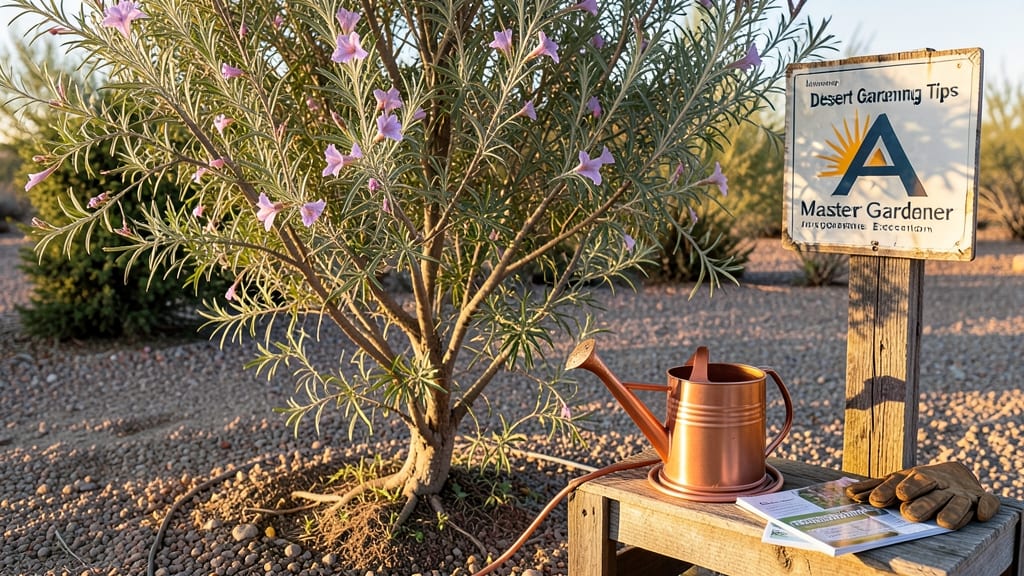
The Arizona Master Gardener Program trains volunteers through a 120-hour course covering horticulture, plant science, and sustainable gardening, followed by 50 hours of volunteer service to earn certification. Applications open seasonally through University of Arizona Cooperative Extension offices across the state.
The Arizona Master Gardener Program is designed to equip volunteers with specialized knowledge tailored to the state's desert ecosystems, including water conservation techniques and native plant identification. 🌵 This hands-on training helps participants support local communities through gardening education and sustainable practices.
Whether you're passionate about botany or simply want to give back, this program offers a structured path to certification while connecting you with fellow gardening enthusiasts across Arizona.
Beyond the classroom, volunteers gain practical experience through supervised service hours, often working with schools, community gardens, or agricultural programs. The program's focus on local climate adaptation ensures graduates can address Arizona's unique gardening challenges, from drought-resistant landscaping to pest management in extreme heat.
💡 In This Article
- Arizona Master Gardener Program Curriculum Breakdown
- How to Apply and Volunteer as an Arizona Master Gardener
Arizona Master Gardener program curriculum breakdown
The curriculum is meticulously designed to cover Arizona's specific horticultural challenges, starting with botany and plant physiology to understand how desert plants thrive. You'll dive into soil science, learning how to assess and amend the state's alkaline soils (common in the Sonoran Desert) for optimal plant health.
The program emphasizes water conservation techniques, teaching how to calculate evapotranspiration rates and select drought-tolerant species like palo verde or desert willow that require minimal irrigation.
Pest management is another critical focus, with hands-on training in integrated pest management (IPM) tailored to Arizona's unique pests. You'll learn to identify symptoms of diseases like fusarium wilt in cottonwood trees or insect infestations in citrus groves—common issues in the state's agricultural regions.
The curriculum even includes field trips to local nurseries and research stations, where you'll see these concepts applied in real-world settings. 🌵 For example, at the University of Arizona's Controlled Environment Agriculture Center, you might observe hydroponic systems designed for water-scarce conditions.
Desert landscaping gets special attention, covering everything from xeric garden design to proper mulching techniques using materials like gravel or decomposed granite. You'll study how to create functional landscapes that reduce water use by up to 60% compared to traditional turf grass lawns.
The program also teaches native plant identification, helping you recognize species like agave, ocotillo, and brittlebush that require minimal care while supporting local ecosystems. This practical knowledge becomes invaluable when advising homeowners or managing community gardens.
The program balances theory with hands-on practice through lab exercises and field demonstrations. For instance, you'll conduct soil tests to measure pH and nutrient levels, then learn how to adjust them using organic amendments like composted manure or biochar.
The final exam tests both technical knowledge and application skills, often including case studies where you'd diagnose plant health issues using what you've learned throughout the course. This rigorous approach ensures graduates are prepared to tackle Arizona's most pressing gardening challenges.
What sets this curriculum apart is its adaptability to Arizona's climate extremes. While many gardening programs focus on temperate climates, this one teaches how to garden successfully in 110°F+ temperatures and during monsoon season's intense rainfall.
You'll learn which plants can handle sudden temperature swings and how to protect sensitive species from flash floods—a critical skill given Arizona's unpredictable weather patterns. The program even covers urban gardening solutions for Phoenix's heat islands, where microclimates can be 10-15°F hotter than surrounding areas.
Perhaps most importantly, the curriculum fosters a community of practice. Through group projects and volunteer placements, you'll collaborate with experienced master gardeners who've solved real problems in their own yards and communities.
This peer learning is often where the most valuable insights emerge—like discovering which local nurseries carry the best adapted plant varieties or which soil amendments work best in your specific county's conditions. 💫