
Companion Plants
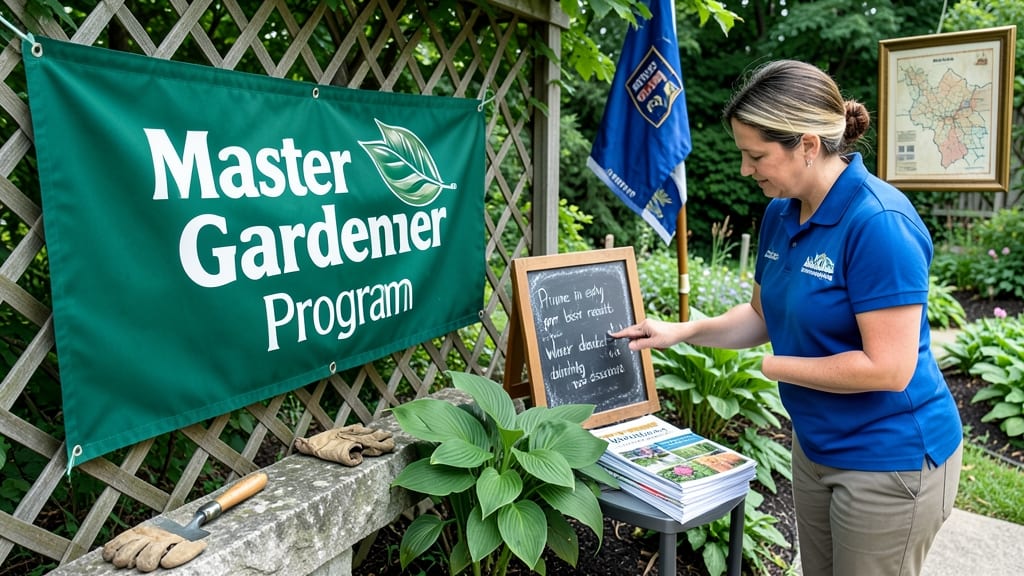
The Pennsylvania Master Gardener Program trains volunteers through Penn State Extension to teach sustainable gardening, pest control, and plant science, requiring 40+ hours of coursework and 50 hours of annual volunteer service.
This program stands out because it combines classroom learning with real-world application. 🌱 You'll dive into topics like soil health, organic pest management, and seasonal gardening techniques—all while earning a certification recognized statewide.
The hands-on approach means you'll work directly with Penn State experts, gaining skills that translate to both home gardens and community projects.
What makes this program unique is its focus on practical, science-backed solutions. Whether you're dealing with invasive species in your backyard or helping local schools start vegetable gardens, the training gives you the tools to make a measurable difference.
Plus, the network of Master Gardeners across Pennsylvania means you'll have support from fellow enthusiasts no matter where you garden.
If you're passionate about gardening and want to share that knowledge with others, this is your chance to turn that passion into action.
The program welcomes gardeners of all experience levels, and the volunteer opportunities are as diverse as the state's landscapes—from urban gardening initiatives to helping farmers with crop challenges.
💡 In This Article
- How Pennsylvania’s Master Gardener Training Works
- Volunteer Opportunities and Impact of PA Master Gardeners
How Pennsylvania’s Master Gardener training works
The Pennsylvania Master Gardener Program operates through Penn State Extension, leveraging the university's 100+ years of horticultural research to deliver evidence-based training. The curriculum spans 12-15 weeks (typically held in spring and fall) and covers three core pillars: plant science, pest management, and sustainable gardening practices.
Classes blend lectures with hands-on labs—like soil analysis in agricultural research stations—where you'll learn to identify plant diseases under microscopes and test soil pH using digital probes.
What sets this program apart is its integrated learning model. You'll study plant physiology in morning sessions (think photosynthesis rates measured in µmol/m²/s) and then apply those concepts in afternoon field trips to Penn State's Russell E. Larson Agricultural Research Center.
The training emphasizes integrated pest management (IPM), teaching you to use beneficial insects like ladybugs to control aphids—reducing chemical use by up to 80% in demonstration gardens. 🌱 Certification requires passing a 100-question exam (70% passing score) covering topics from botany to local regulations on invasive species.
Beyond the initial training, Master Gardeners must complete 10 hours of annual continuing education to maintain certification. This keeps skills current with emerging research—like the 2023 focus on climate-resilient plant varieties—and provides updates on PA's invasive species list, which now includes 12 new plants since 2020.
The program also offers specialized workshops, such as "Urban Gardening for Food Deserts", where you'll learn to grow 400+ pounds of produce per 100 sq ft using raised beds.
One unique feature is the mentorship component. Each trainee is paired with an experienced Master Gardener who provides guidance on volunteer projects.
For example, if you're assigned to a school garden program, your mentor might help you design a 30-foot-long raised bed that teaches kids about companion planting while producing enough tomatoes to supply the cafeteria for two weeks.
This hands-on support ensures you're ready to hit the ground running in your volunteer role.
The program's success is measurable: Since 2015, Pennsylvania Master Gardeners have logged over 1.2 million volunteer hours, directly impacting 150,000+ residents through workshops and hotlines.
The training even includes a public speaking module to prepare volunteers for leading classes—many graduates go on to teach at county fairs or extension offices, where they'll answer 500+ gardening questions annually.
For those wondering about costs, the program typically charges $250-$350 per trainee (scholarships available), covering curriculum materials, lab supplies, and certification fees. What's included isn't just textbooks—you'll receive a Penn State Extension toolkit with soil test kits, pest identification guides, and even a pruning demonstration video library.
This investment pays off when you're able to troubleshoot a blighted tomato plant in your own garden using techniques you learned in class.