
Tools
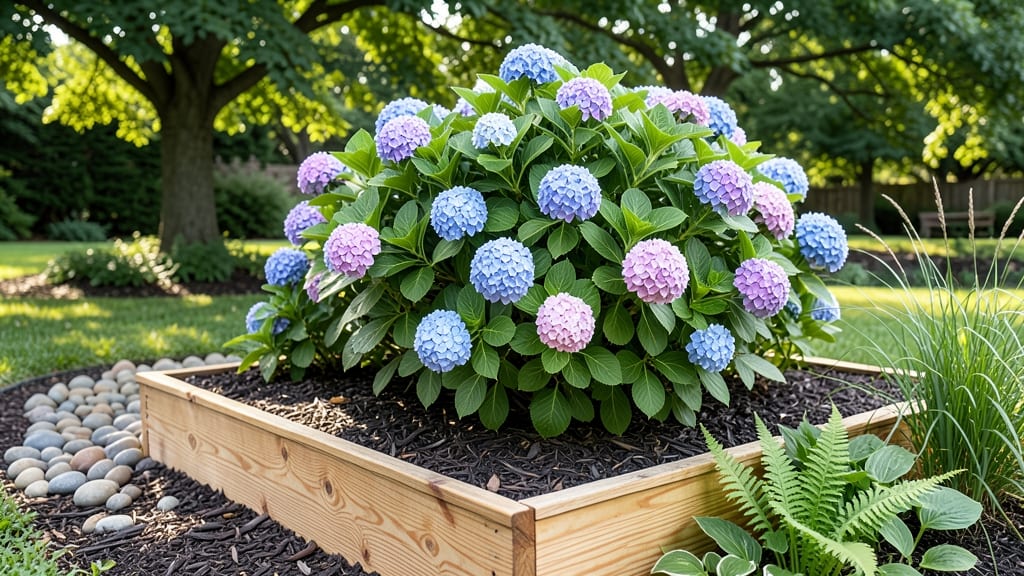
Creating mound garden bed ideas can turn even the trickiest spaces into lush, productive gardens—whether you’re working with a sloped yard or a tiny urban plot.
Picture this: a raised, sloped bed that follows the natural contours of your land, eliminating the need for backbreaking digging while giving plants the perfect drainage they crave. No more wasted space or muddy patches—just a space-saving solution that works with your landscape, not against it.
From elevated planting that keeps weeds at bay to creative tiered designs that add visual interest, mound beds are a game-changer for gardeners who want beauty and function. Plus, they’re easier on your back—no more kneeling in soggy soil!
In this guide, I’ll walk you through everything from materials and soil prep to the best plants for your mound, plus pro tips to keep your elevated garden thriving all season long.
How to build space-saving mound garden beds for small yards
If you're working with a small yard or tricky slope, mound garden beds offer a genius way to maximize growing space while improving drainage and accessibility. These elevated beds create a natural, space-efficient design that works beautifully in urban gardens, sloped landscapes, or even tight corners.
The key is building them with proper soil layers, drainage paths, and heights that protect your back during maintenance.
Mound beds solve three major gardening challenges: poor soil, limited space, and difficult terrain. By elevating plants, you prevent soil compaction, improve root aeration, and create a wheelchair-accessible growing area.
Plus, the natural contours blend seamlessly with your landscape design. Let's build one that thrives in your space while keeping costs low and maintenance simple.
Select a sunny spot with at least 6 hours of sunlight. Avoid low areas where water pools. For slopes, follow the natural contour to prevent erosion.
Use spray paint or a garden hose to outline your mound. Common shapes include oval, rectangular, or kidney-shaped beds. Keep widths under 4 feet for easy reach.
Layer cardboard or landscape fabric to smother weeds, then add 3-4 inches of gravel for drainage. For slopes, use landscape edging or rocks to contain the base.
Pile native soil and compost in a pyramid shape, leaving the center 12-18 inches high. For stability, add wooden stakes or bricks around the perimeter on slopes.
Top with 6 inches of high-quality garden soil mixed with peat moss or coconut coir. Add a slow-release fertilizer (like 10-10-10) for nutrient-rich growth.
Create shallow drainage trenches around the base using a shovel. Fill with perforated pipe or gravel to redirect water away from the mound.
Cover with 2-3 inches of mulch (straw or wood chips) to retain moisture. Plant perennials on edges and annuals in the center for layered visual appeal.
The beauty of mound beds lies in their versatility—you can build them in just a weekend using basic tools like a shovel, wheelbarrow, and rake. For urban gardeners, skip the gravel base and use recycled bricks or cinder blocks as edging to save costs.
Remember, the wider the base, the more stable your mound will be, especially on slopes.
When selecting plants, prioritize drought-tolerant varieties like lavender, thyme, or ornamental grasses for the edges where soil may dry faster. In the center, opt for moisture-loving plants such as hostas or ferns. This zoning ensures every plant thrives in its microclimate within the mound.
One of my favorite space-saving tricks is adding a small stepping stone path around the mound. This not only defines the bed but also makes it easier to access plants without compacting the soil.
Use flagstone or pavers in natural tones to blend seamlessly with the landscape. For extra charm, line the path with low-growing creeping thyme—it’s edible and drought-resistant!
Maintenance is a breeze with mound beds. The elevated design keeps pests like slugs at bay, and the natural slope encourages better air circulation than flat beds. Water deeply once a week (more in summer) and fertilize in early spring with compost tea for a nutrient boost.
Avoid heavy foot traffic on the mound itself to preserve its structure.
For slopes, consider building a terraced mound system with multiple levels connected by stone steps. This not only prevents erosion but also creates stunning visual tiers. Start with the highest point and work downward, ensuring each level has its own drainage channel to channel water efficiently.
Use native plants adapted to your climate to reduce long-term maintenance.
If you're renting or want a temporary solution, try a no-dig mound bed. Simply layer cardboard, compost, and mulch over existing grass (no soil removal needed!). Over time, the grass will decompose, enriching the soil. This method is perfect for urban gardeners who need a quick, low-effort setup.
With a well-built mound bed, you’ll enjoy a low-maintenance, high-impact garden that works with your space—not against it. The best part? You can start small with a single mound and expand as your confidence (and yard!) grows. Happy planting! 🌱
Best plants for mound garden beds: low-maintenance choices for small spaces
Mound garden beds offer the perfect opportunity to grow a lush garden without taking up valuable ground space. The key is selecting compact, drought-resistant plants that thrive in elevated conditions.
These varieties not only save space but also reduce maintenance by requiring less water and fewer nutrients than traditional garden plants.
For sun-loving mound beds, prioritize plants like lavender, thyme, and dwarf coneflowers. These perennials handle heat well and attract pollinators while staying under 2 feet tall. In shadier spots, heuchera (coral bells) and ferns add texture without demanding full sun exposure.
Here’s a curated selection of low-maintenance plants perfect for mound gardens, organized by sunlight needs and care requirements:
| Plant | Sun Needs | Water Needs | Mature Size | Seasonal Interest |
|---|---|---|---|---|
| Lavender | Full Sun | Drought-Tolerant | 12-18 inches | Spring-Fall |
| Thyme | Full Sun | Low | 6-12 inches | Year-Round |
| Dwarf Coneflower | Full Sun | Moderate | 12-18 inches | Summer-Fall |
| Heuchera | Partial Shade | Moderate | 12-18 inches | Spring-Fall |
| Fern (e.g., Maidenhair) | Partial Shade | Moderate | 12-24 inches | Spring-Summer |
| Creeping Jenny | Partial Sun | Low | 4-6 inches | Spring-Fall |
| Sedum (Stonecrop) | Full Sun | Drought-Tolerant | 6-12 inches | Summer-Fall |
To maximize vertical growth in mound beds, pair tall plants like lavender with spreading varieties like creeping jenny. This creates a layered look while keeping maintenance minimal. Always mulch around the base to retain moisture and suppress weeds—2-3 inches of organic mulch works best.
For pest control, interplant herbs like thyme and lavender—their strong scents naturally deter insects. Avoid overwatering, as mound beds drain quickly; water deeply 2-3 times per week during dry spells. With these low-maintenance choices, your mound garden will thrive with minimal effort.
🌱