
Tools
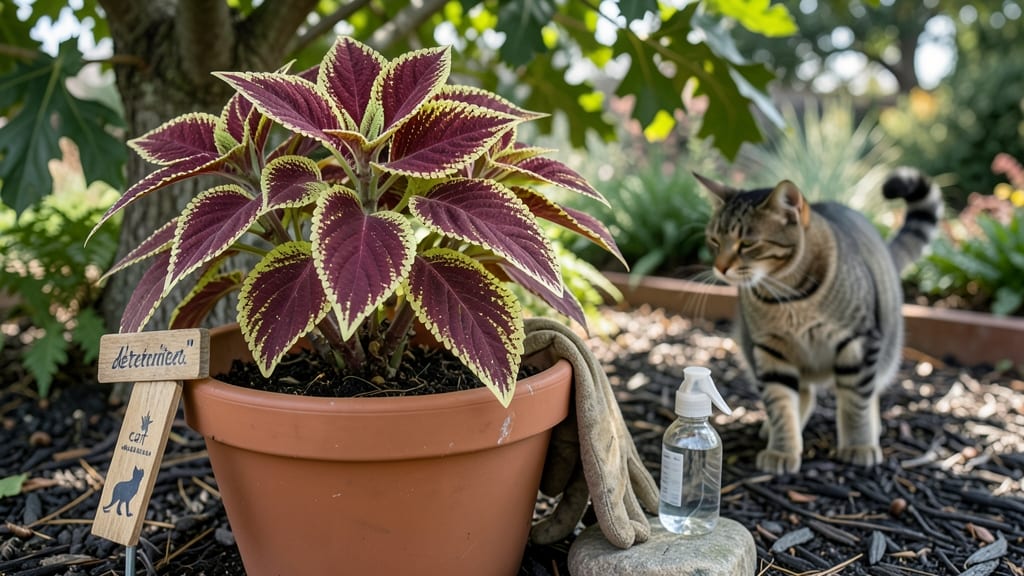
Natural cat deterrents for gardens use fragrant plants like coleus canina, citrus peels, and lavender to repel cats through scent and texture, keeping them away without harming the environment. Place dried citrus peels or plant borders strategically for maximum effectiveness.
Cats have an ultra-sensitive sense of smell—up to 14 times stronger than humans—which makes strong scents like citrus, mint, and lavender particularly effective at keeping them away. 🌿 These plants contain natural compounds that cats instinctively dislike, such as limonene in citrus or linalool in lavender.
Unlike chemical repellents, these options are pet-safe and won’t harm your garden’s ecosystem. For best results, combine scent-based deterrents with physical barriers like prickly plants or raised beds, as cats often learn to avoid areas that combine multiple unpleasant sensations.
Different garden layouts call for different approaches. Herb gardens benefit from borders of rue or rue anise, while flower beds can use citrus mulch or lavender hedges. DIY sprays made from vinegar and water (1:1 ratio) can also provide temporary relief, though they need reapplication after rain.
The key is consistency—cats are creatures of habit, so reinforcing deterrents in the same spots helps train them to avoid those areas entirely.
💡 In This Article
- How Scent and Texture Keep Cats Away
- Best Plant-Based Cat Repellents for Different Garden Types
How scent and texture keep cats away
Cats possess an olfactory system that’s 14 times more sensitive than humans, meaning they detect scents at concentrations as low as 1 part per billion. Plants like citrus and lavender contain compounds—such as limonene (in citrus) and linalool (in lavender)—that trigger aversion in felines.
These chemicals disrupt their natural scent-marking behavior, as cats associate these odors with danger or discomfort. 🌿 For example, the sharp, volatile oils in citrus peel create a sensory overload, forcing cats to avoid areas where these scents are concentrated.
Texture also plays a critical role. Cats dislike rough or prickly surfaces, which is why plants like coleus canina (also called scented geranium) or rue work so well—their fuzzy or spiky leaves create an unpleasant tactile experience. Even the act of walking through these plants triggers a negative response.
Additionally, some plants, like rue anise, contain coumarin, a compound that disrupts feline pheromone communication, further discouraging territorial behavior. This dual approach—combining scent and texture—makes deterrents far more effective than relying on either factor alone.
Pheromone-based deterrents take this a step further. Rue and rue anise emit natural chemicals that mimic distress signals, tricking cats into believing the area is unsafe.
Studies show that cats avoid spaces where these plants are present for up to 48 hours after exposure, as their memory of the unpleasant experience lingers. 🐾 The key is strategic placement: bordering garden beds with these plants creates a natural barrier that cats instinctively avoid, reducing the need for harsh chemical repellents.
Seasonal variations also affect how well these deterrents work. In warmer months, the volatile oils in citrus and lavender become more potent due to higher evaporation rates, making them even more effective.
Conversely, during winter, the scent intensity may drop, requiring supplemental methods like DIY vinegar sprays (mixed 1:1 with water) to maintain effectiveness. Understanding these fluctuations helps gardeners adjust their approach seasonally for consistent results.
For maximum impact, combine scent-based deterrents with physical barriers. For instance, planting rosemary or thyme along raised beds not only repels cats with their strong aroma but also creates a natural edge that cats dislike crossing.
This layered approach ensures that even curious felines—who might ignore scent alone—will avoid the area due to the combined sensory experience. 🌱