Companion Plants
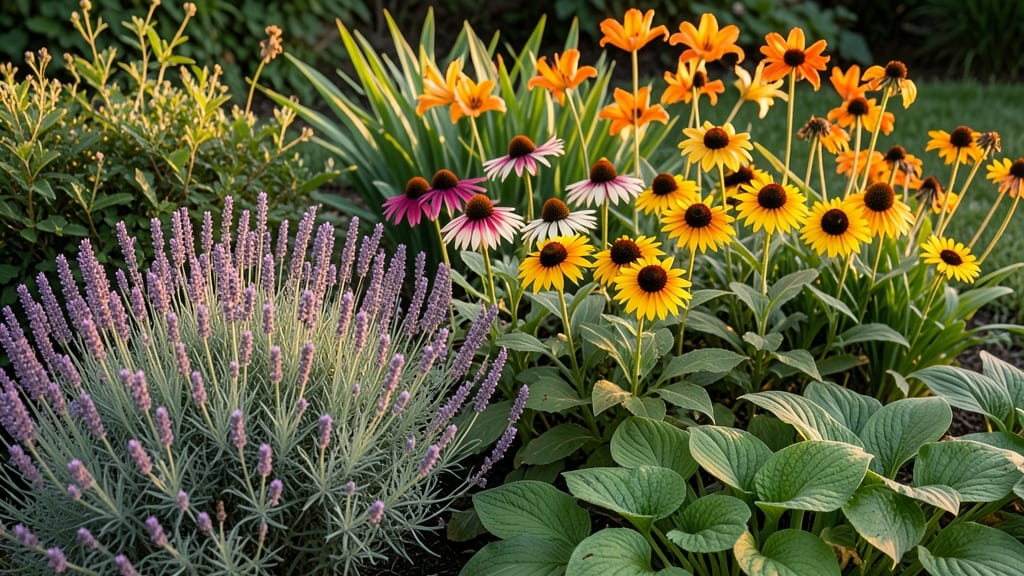
Growing popular garden plants can turn your yard into a lush, buzzing paradise where every season feels like a celebration.
Picture this: bees humming over lavender, butterflies fluttering through cosmos, and your garden blooming from spring to fall without a single dead patch. That’s the magic of the right plants—ones that are hardy, beautiful, and pollinator magnets—and they’re easier to grow than you think.
From sun-loving perennials to shade-tolerant shrubs, this guide dives into 12 standout plants that deliver year-round color, minimal fuss, and serious wildlife appeal. Whether you’re a beginner or a seasoned gardener, these picks will help you design a space that’s as functional as it is stunning.
Ready to skip the guesswork? I’ll walk you through the best choices for your climate, how to pair them for maximum impact, and the simple care tricks that keep them thriving—so you can spend more time admiring your garden and less time worrying about it.
Top 12 year-round garden plants for color and pollinator support
Creating a garden that stays vibrant and buzzing with life all year isn’t as hard as it sounds. The secret lies in choosing the right mix of pollinator-friendly plants that thrive in different seasons and conditions.
These top-performing garden plants are not only stunning but also attract bees, butterflies, and hummingbirds—making your yard a wildlife oasis without the high-maintenance fuss.
I’ve handpicked these 12 garden plants based on their hardiness, beauty, and pollinator appeal, ensuring they’ll bring color and life to your space from spring through fall. Whether you’re working with sun-drenched borders or shady corners, there’s a perfect fit here.
Below, you’ll find a curated list of perennials, annuals, and shrubs that deliver seasonal blooms, low-maintenance care, and critical pollinator support. Each plant is chosen for its resilience, visual impact, and ability to create a thriving ecosystem in your garden.
| Plant Name | Type | Sunlight Needs | Water Needs | Mature Size | Bloom Season | ||||||||||||||||||||||||
|---|---|---|---|---|---|---|---|---|---|---|---|---|---|---|---|---|---|---|---|---|---|---|---|---|---|---|---|---|---|
| Coneflower (Echinacea) | Perennial | Full sun to part shade | Moderate | 2-4 ft tall | Summer to fall | ||||||||||||||||||||||||
| Black-Eyed Susan (Rudbeckia) | Perennial | Full sun | Low to moderate | 1-3 ft tall | Summer to fall | ||||||||||||||||||||||||
| Butterfly Bush (Buddleia) | Shrub | Full sun | Moderate | 6-10 ft tall | Summer to early fall | ||||||||||||||||||||||||
| Lavender (Lavandula) | Perennial | Full sun | Low | 1-3 ft tall | Summer | ||||||||||||||||||||||||
| Cosmos (Cosmos bipinnatus) | Annual | Full sun | Low | 2-4 ft tall | Summer to frost | ||||||||||||||||||||||||
| Milkweed (Asclepias) | Perennial | Full sun to part shade | Moderate | 2-4 ft tall | Summer | ||||||||||||||||||||||||
| Salvia (Salvia nemorosa) | Perennial | Full sun | Low to moderate | 1-2 ft tall | Late spring to summer | ||||||||||||||||||||||||
| Bee Balm (Monarda) | Perennial | Full sun to part shade | Moderate | 2-4 ft tall | Summer to fall | ||||||||||||||||||||||||
| Goldenrod (Solidago) | Perennial | Full sun to part shade | Low to moderate | 1-3 ft tall | Late summer to fall | ||||||||||||||||||||||||
| Aster (Symphyotrichum) | Perennial | Full sun to part shade | Moderate | 1-4 ft tall | Late summer to fall | ||||||||||||||||||||||||
| Plant Pairing | Sunlight Needs | Spacing (ft) | Pollinator Benefit | Pest Deterrent | |||||||||||||||||||||||||
| Coneflowers + Bee Balm | Full sun (6+ hrs) | 18-24" | Bees, hummingbirds | Japanese beetles | |||||||||||||||||||||||||
| Russian Sage + Lavender | Full sun (6-8 hrs) | 24-36" | Bees, butterflies | Mosquitoes | |||||||||||||||||||||||||
| Hostas + Ferns | Partial shade (3-6 hrs) | 12-18" | Butterflies | Slugs (reduced) | |||||||||||||||||||||||||
| Salvia + Yarrow | Full sun (6+ hrs) | 18-24" | Bees, hummingbirds | Aphids | |||||||||||||||||||||||||
| Marigolds + Nasturtiums | Full sun (6+ hrs) | 12-18" | Bees, hoverflies | Tomato hornworms |