
Tools
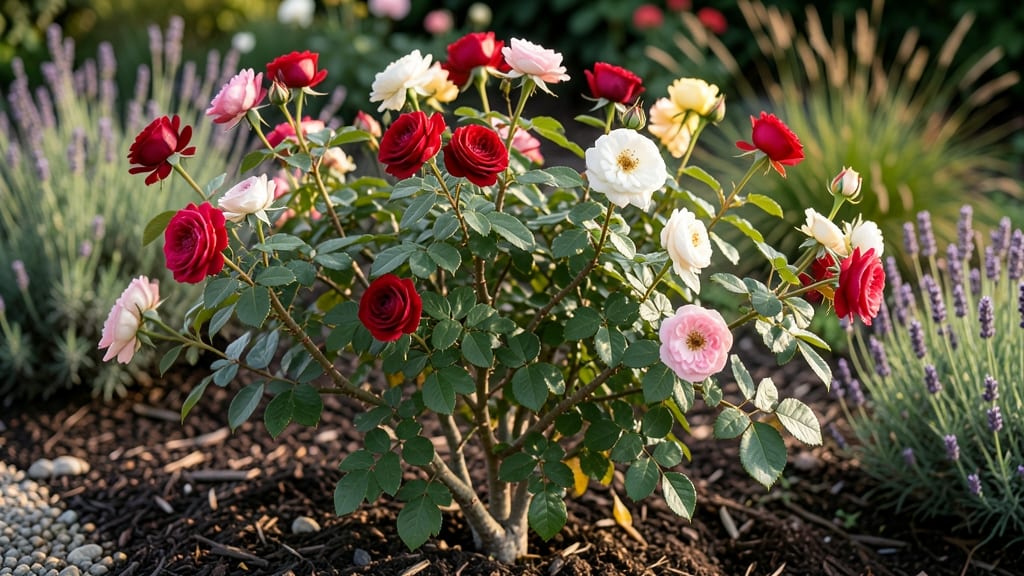
The Rose Garden at Stanley Park in Vancouver showcases over 500 stunning rose varieties that bloom from May through October, with June and September offering the most breathtaking displays. Some of the park's most delicate blooms can be found in shaded areas near water features and along the scenic Lost Lagoon trails.
The Rose Garden at Stanley Park is a year-round treasure, thanks to Vancouver's temperate climate that supports extended blooming seasons. 🌸 Unlike gardens in colder regions, this one thrives with roses that start in spring and often linger into fall, creating a continuous floral spectacle.
The garden's layout also plays a role—shaded areas near water features provide ideal conditions for more delicate varieties, while open spaces showcase classic hybrid teas and climbers that reach their peak in summer's warmth.
Beyond the well-known paths, hidden gems like the David Austin English roses and rare Noisette varieties often go unnoticed by casual visitors. These lesser-known roses flourish in the garden's quieter corners, particularly near the Japanese Garden and along the waterfall trails, where morning light enhances their velvety petals.
For the best experience, I recommend visiting on weekdays when the crowds thin out—this gives you time to explore these secret spots without missing a single bloom.
💡 In This Article
- Seasonal Blooming Patterns of Stanley Park Roses
- Hidden Rose Varieties and Best Viewing Spots
Seasonal blooming patterns of stanley park roses
Stanley Park's extended rose season—from May through October—stems from Vancouver's unique maritime climate. The region's mild winters (rarely dropping below 32°F) prevent hardy roses from entering dormancy too early, while summer temperatures averaging 70-75°F create ideal growing conditions.
This contrasts sharply with inland gardens where temperature swings trigger earlier blooming cycles. The park's 1,000mm annual rainfall also plays a crucial role, providing consistent moisture without waterlogging the soil.
The garden's diverse rose classifications bloom at different times: climbers like 'New Dawn' reach peak beauty in June when temperatures stabilize, while shrub roses such as 'Knock Out' extend blooms into September. Hybrid teas—like the famous 'Double Delight'—thrive in summer's warmth but benefit from afternoon shade to prevent wilting.
Vancouver's coastal fog also creates microclimates where some varieties bloom 2-3 weeks later than their inland counterparts.
What makes Stanley Park's roses unique is their ability to rebloom. Unlike single-bloom varieties that peak once, many roses here produce 3-4 flushes per season. This happens because the garden's acidic, well-draining soil (pH 5.5-6.5) combined with consistent moisture triggers hormonal responses that stimulate new growth.
The result? A continuous display where you might spot fresh blooms in May, June, September, and even October.
For visitors planning trips, timing matters: May brings early bloomers like 'Iceberg' roses, while September often showcases the garden's most vibrant colors as summer varieties transition to fall. The Lost Lagoon area typically has the longest bloom windows because its proximity to water maintains higher humidity levels.
Even in cooler months, some evergreen climbers retain foliage, adding texture to the winter landscape.
Here's what's actually happening botanically: Roses produce flowers based on daylight hours and temperature thresholds. In Vancouver, the 15-hour daylight of June triggers peak flowering, while September's 12-hour days stimulate final blooms before dormancy.
The garden's 100-year-old rose bushes have adapted to these patterns, creating a predictable yet ever-changing display that rewards repeat visits.
Pro tip: The Japanese Garden section often has the longest bloom windows because its shaded, moss-covered paths create cooler microclimates. This is where you'll find David Austin English roses thriving in 70°F conditions when other areas might be too hot.
The difference? Shade reduces transpiration stress on delicate petals, extending their lifespan by 30-50%.
What most people don't realize is how the garden's elevation changes (from sea level to 200 feet near the park's highest points) create vertical bloom layers. Lower areas near the water bloom earlier, while higher sections often show 2-3 week delays—a perfect example of how topography influences plant cycles.
This vertical stratification is why you can see four different bloom stages simultaneously in a single visit.