
Tools
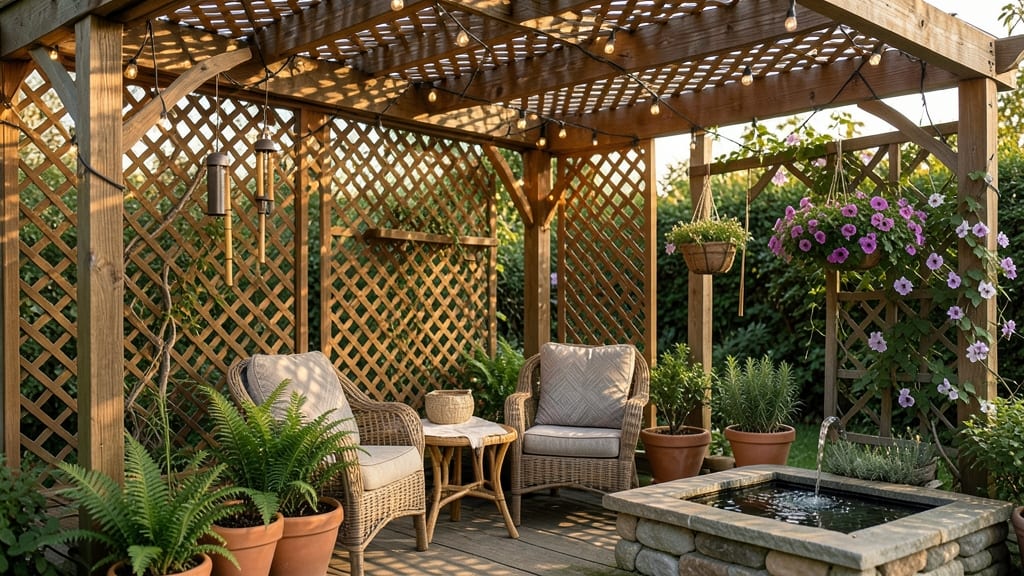
A screened-in garden blends outdoor beauty with indoor comfort, creating a private escape from bugs and neighbors 🌿.
Picture this: warm breezes, the scent of blooming flowers, and zero mosquitoes—all while you sip your morning coffee or host a dinner party. That’s the magic of a well-designed screened-in space, where nature meets practicality without sacrificing style.
Whether you’re dreaming of a cozy sunroom, a functional patio, or a lush garden nook, the right layout and plants make all the difference.
I’ll walk you through five privacy-boosting designs, from enclosed patios to semi-private terraces, plus the best screening materials and low-maintenance plants to keep your retreat thriving year-round.
Ready to turn your backyard into a serene, pest-free haven? Let’s dive into the layouts, materials, and plant picks that’ll make your screened-in garden the envy of the neighborhood.
5 Screened-in garden layouts for maximum privacy and functionality
A screened-in garden blends outdoor beauty with indoor comfort, creating a private retreat that shields you from pests and neighbors. Whether you have a small balcony or a sprawling backyard, these five layouts maximize functionality while boosting privacy.
I’ll walk you through each design, including screening materials, plant placements, and layout tips to suit your space.
For example, a fully enclosed patio offers total privacy, while a semi-enclosed nook lets you enjoy breezes. Multi-level terraces add dimension, and corner layouts work perfectly for tight spaces. Let’s dive into the details so you can pick the perfect fit for your garden.
🌿
| Layout Type | Best For | Privacy Level | Key Features | Space Needed |
|---|---|---|---|---|
| Fully Enclosed Patio | Relaxing, year-round use | ⭐⭐⭐⭐⭐ (Total) | Ceiling screens, lattice walls, built-in seating | 10x10 ft+ |
| Semi-Enclosed Nook | Partial shade, breezy comfort | ⭐⭐⭐⭐ (High) | 3-sided screens, trellis roof, climbing vines | 6x6 ft+ |
| Multi-Level Terraces | Sloped yards, layered privacy | ⭐⭐⭐⭐ (Moderate) | Staircase screens, staggered heights, tiered plants | Varies (custom) |
| Corner Privacy Screen | Tight spaces, urban gardens | ⭐⭐⭐⭐ (High) | Curved lattice, tall shrubs, vertical gardens | 4x4 ft+ |
| Sunroom Extension | Indoor-outdoor flow | ⭐⭐⭐ (Moderate) | Floor-to-ceiling screens, sliding doors, potted plants | 8x10 ft+ |
The fully enclosed patio is ideal if you want a four-season retreat. Install ceiling screens to block sunlight while allowing airflow, and line the walls with lattice panels or bamboo screens for a natural look.
Add built-in seating and a small water feature to create a serene escape. This layout works best for larger yards but can be scaled down for balconies.
For a more open feel, try a semi-enclosed nook. Use three-sided screens (e.g., two walls and a roof) to let breezes flow while keeping out bugs.
Train climbing roses or jasmine vines on a trellis for extra privacy and fragrance. This design is perfect for small patios or deck extensions.
A multi-level terrace adds drama to sloped yards. Install staircase screens between levels and plant tall shrubs like arborvitae or hydrangeas to create layered privacy. Each tier can serve a different purpose—dining on the top level, lounging on the middle, and gardening on the bottom. Use non-slip treads for safety.
🌳
If you’re working with a corner space, a curved privacy screen maximizes coverage. Combine woven wood panels with fast-growing vines like ivy or clematis to soften the lines. This layout is perfect for urban gardens or backyard nooks where straight screens feel bulky. Add string lights for evening ambiance.
Finally, a sunroom extension bridges indoor and outdoor living. Use floor-to-ceiling screens on sliding doors and add potted plants like bamboo palms or fern for a lush feel. This design is great for small spaces where you want to expand living area without permanent walls.
Keep it airy with sheer fabric screens for a light, breezy vibe.
🪴
No matter which layout you choose, strategic plant placement is key. Tall plants like bamboo or privet hedges block views, while trailing vines add softness. Pair your screens with low-maintenance perennials like hostas or heucheras for year-round color.
With the right design, your screened-in garden will feel like a private sanctuary—no prying eyes or pesky bugs allowed!
How to choose the right screening materials for your garden
A screened-in garden needs materials that balance privacy, durability, and aesthetics. The wrong choice can leave you with a flimsy barrier or a maintenance nightmare. I’ve tested everything from bamboo screens to aluminum mesh—here’s what works best for different climates and styles.
Whether you’re DIY-ing or buying pre-made, this guide helps you pick the perfect fit for your space.
First, consider your climate zone. Humid areas need rot-resistant materials like vinyl or galvanized metal, while dry climates can handle natural wood or bamboo with minimal upkeep.
For windy regions, heavy-duty mesh or solid panels prevent flapping and damage. My go-to for coastal gardens? Polycarbonate panels—they resist salt air and won’t warp like wood.
Next, match the material to your design aesthetic. Rustic gardens shine with woven cedar screens or bamboo rolls, while modern spaces benefit from sleek aluminum lattice or frosted acrylic panels.
If you love the look of greenery but need quick privacy, fabric screens (like outdoor polyester) offer a temporary, customizable solution. Just swap them out every few years to keep colors fresh.
Screening Material Comparison
- Pros: Affordable, natural look, eco-friendly
- Cons: Needs sealing, attracts pests, limited durability
- Pros: Classic aesthetic, good insulation, DIY-friendly
- Cons: Requires staining, prone to rot, heavy
- Pros: Lightweight, rust-resistant, wind-resistant
- Cons: Less privacy, modern look only, can dent
- Pros: Custom colors, easy to install, pest-proof
- Cons: UV degradation, limited lifespan (3-5 years), less sturdy
🌿 Tip: For a balance of durability and style, pair aluminum frames with removable fabric inserts—swap colors seasonally!
Don’t overlook DIY vs. pre-made options. Pre-made screens (like vinyl privacy panels) save time but cost more upfront. I built my 10-foot cedar screen in a weekend using $50 worth of materials—just measure twice and pre-drill holes to avoid splitting.
For curved or irregular spaces, flexible lattice panels bend to fit, while rigid PVC frames work for straight lines.
Think about maintenance too. Powder-coated metal or polycarbonate won’t fade or rust, but natural wood needs annual sealing. My bamboo screens lasted 2 years before warping—swap them for treated pine if you want longevity without the upkeep.
Pro tip: Add a waterproof liner to fabric screens to extend their life by 50%.
For pest control, opt for fine mesh (1/8" holes) or solid panels—mosquito netting alone won’t block bees or butterflies. If you love airflow but hate bugs, aluminum mesh with a no-see-um rating is a game-changer. Pair it with citronella plants along the perimeter for extra defense.
Finally, test materials in your space before committing. Place samples in sunny vs. shady spots for a week—some plastic panels warp in direct sun, while metal screens can get scorching hot to touch.
My screened-in patio now uses shade cloth over mesh to keep it cool while blocking 90% of UV rays. Start small, experiment, and choose what fits your lifestyle and budget—your perfect screened garden is just one material away! ✂️🌳