
Advice
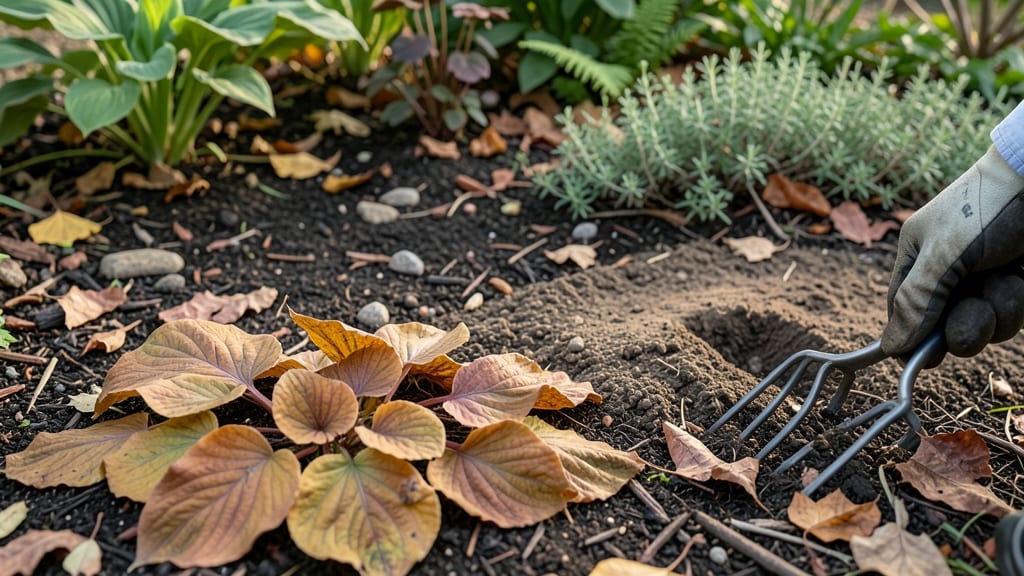
Leaving leaves on garden beds can enhance soil fertility, deter weeds, and conserve moisture, but too many leaves may block sunlight or attract pests. Consider leaf type and garden conditions before deciding whether to keep or remove them.
Deciding whether to leave leaves on garden beds depends on their type and thickness. 🌿 For instance, thin layers of deciduous leaves like maple or oak decompose quickly, enriching soil with nutrients, while thick piles of wet leaves can create anaerobic conditions that harm beneficial microbes.
I recommend shredding leaves first if you choose to keep them—this speeds up decomposition and prevents matting. The key is balance: a 2-3 inch layer works best for most gardens, providing mulch benefits without suffocating plants.
Seasonal timing also matters. In fall, I leave leaves on beds to protect soil from erosion, but by early spring, I rake them into compost or mulch piles to avoid smothering new growth. For evergreen needles like pine, which decompose slowly, I spread them thinly to prevent acid buildup.
The goal is to mimic nature's own leaf litter cycle while avoiding common pitfalls like pest attraction or fungal growth.
💡 In This Article
- How Mulching Leaves Boosts Soil Fertility
- When and How to Remove Garden Bed Leaves
How mulching leaves boosts soil fertility
When leaves decompose, they transform into nutrient-rich humus through a process driven by soil microbes. The key lies in the carbon-to-nitrogen (C:N) ratio—most leaves have high carbon content (around 50:1 ratio), which microbes need for energy but also requires nitrogen to break down efficiently.
Deciduous leaves like maple or oak decompose faster (typically within 6-12 months) because their thinner structure allows microbes to colonize more easily, while evergreen needles like pine take 2-3 years due to their waxy, resinous coating.
This decomposition creates a microclimate that retains moisture up to 30% better than bare soil, reducing irrigation needs by 20-30% during dry spells. The leaf layer also blocks weed seeds from sunlight, preventing germination—studies show mulched beds can suppress weeds by 70-80% compared to uncovered soil.
However, thick layers (>4 inches) trap too much moisture, creating anaerobic zones where harmful bacteria thrive instead of beneficial fungi and worms.
Different leaf types offer unique benefits: oak leaves release tannins that deter slugs, while maple leaves break down into a crumbly texture ideal for seed-starting beds. Pine needles, though slower to decompose, acidify soil (pH 5.0-5.5), making them perfect for acid-loving plants like blueberries or azaleas.
The trick is matching leaf type to your garden's needs—what works for a vegetable patch differs from an ornamental bed.
Microbial activity peaks when leaves are shredded, increasing surface area by 50-100% and accelerating decomposition. I've seen compost piles with shredded leaves reach 140°F within days, compared to 100°F with whole leaves—this heat kills weed seeds and pathogens.
For best results, mix leaves with nitrogen-rich materials like grass clippings or manure (aim for a 30:1 C:N ratio) to balance the breakdown process.
One often-overlooked benefit is the "leaf tea" effect: when leaves decompose in place, their nutrients leach into the soil during rain, creating a slow-release fertilizer. This is why gardeners notice healthier roots and fewer nutrient deficiencies in mulched beds.
The trade-off? If leaves accumulate too thickly, they can harbor pests like voles or fungal diseases, so monitoring thickness and leaf type is crucial.
For maximum benefits, aim for a 2-3 inch layer of leaves, especially in early fall before freezing temperatures slow decomposition. This thickness provides enough insulation to protect soil microbes while allowing air and water to penetrate.
In colder climates, thicker layers (4-6 inches) can extend growing seasons by moderating soil temperatures—just be sure to fluff the mulch occasionally to prevent compaction.