
Watering
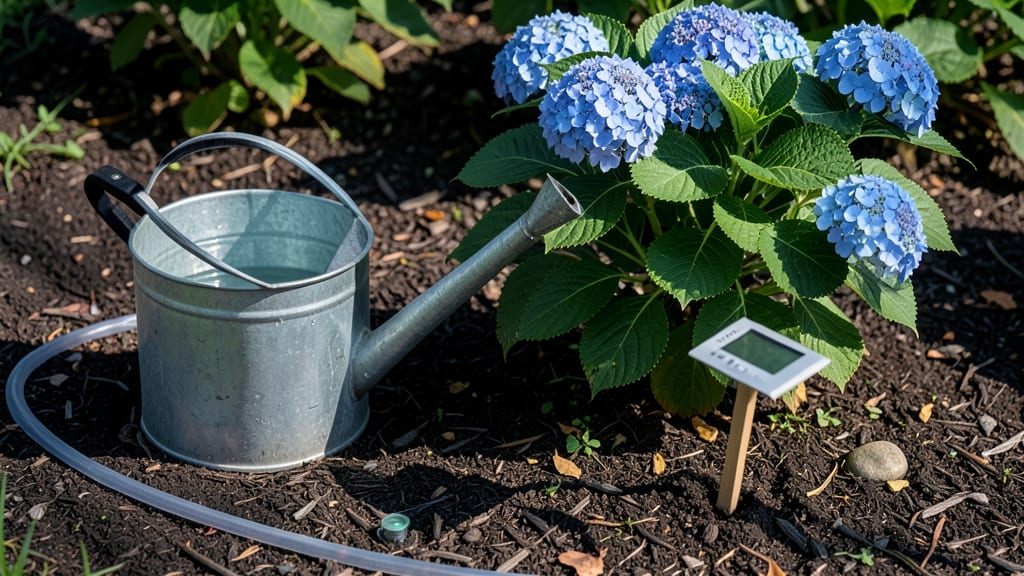
Watering your garden in the morning or evening can make all the difference for plant health and growth—here’s what science-backed timing means for your 🌱.
Struggling to decide whether morning or evening watering is best for your garden? The timing of your watering routine can make the difference between lush, thriving plants and weak, disease-prone growth—here’s what science says.
Morning watering reduces evaporation and fungal risks, while evening watering keeps roots cool in hot climates. Both have pros and cons, depending on your USDA Zone 6a conditions and the types of plants you’re growing.
In this guide, I’ll break down the best times to water for stronger roots, how to adjust for seasonal changes, and actionable tips to keep your garden flourishing all season long.


Morning vs. evening watering: how timing affects plant health and root growth
Deciding whether to water your garden in the morning or evening isn’t just about convenience—it’s a science that directly impacts your plants’ root health, disease resistance, and overall growth.
Studies show that watering at the wrong time can lead to fungal infections, nutrient loss, or even stunted development. Let’s break down how timing influences your garden’s success.
The key difference lies in evaporation rates and microclimates. Morning watering allows moisture to penetrate deep into the soil before the sun intensifies, while evening watering can leave foliage damp overnight—a prime condition for powdery mildew and blight.
But the best time also depends on your climate zone and plant types. Let’s compare the two approaches.
| Factor | Morning Watering (6-10 AM) | Evening Watering (After Sunset) |
|---|---|---|
| Evaporation Loss | Low (cooler temps, less wind) | High (humidity traps moisture) |
| Fungal Risk | Low (foliage dries quickly) | High (damp leaves overnight) |
| Root Development | Optimal (deep penetration) | Surface-only (shallow absorption) |
| Nutrient Uptake | Maximized (active root function) | Reduced (cooler soil temps) |
| Best For | Vegetables, herbs, drought-prone areas | Tropical plants, high-humidity climates |
Morning watering is the gold standard for most gardens because it reduces water waste by up to 30% compared to evening sessions.
When you water before 10 AM, the soil absorbs moisture efficiently, and the sun evaporates excess water from leaves, preventing foliar diseases like rust or black spot. This method also encourages deeper root growth, as plants seek moisture below the surface.
However, evening watering can be beneficial in hot, dry climates where daytime evaporation is extreme. For example, in USDA Zone 9 or 10, watering at dusk helps maintain soil moisture without stressing plants during peak heat.
Just avoid watering after 8 PM to allow foliage to dry before nightfall. Succulents and cacti also thrive with evening watering because their thick leaves store moisture efficiently.
Another critical factor is nutrient absorption. Plants absorb water and fertilizers most efficiently when the soil is warm but not scorching. Morning watering aligns with this window, especially in spring and fall, when temperatures are moderate.
For instance, tomatoes and peppers show 20% faster growth when watered in the morning compared to evening, according to a University of California study. The cooler morning air also reduces blossom-end rot in tomatoes by maintaining steady calcium uptake.
Regional climate plays a huge role. In humid climates like the Southeast U.S., evening watering can increase fungal spores in the air, leading to powdery mildew outbreaks. But in arid regions, like the Southwest, morning watering can feel counterintuitive—yet it’s still the better choice.
The key is to adjust based on local conditions. For example, if you live in Zone 5 with cold nights, watering in the late afternoon (after 4 PM) can prevent freeze damage while still allowing foliage to dry.
Don’t overlook the role of mulch in your watering strategy. A 3-inch layer of mulch retains moisture longer, reducing the need for frequent watering regardless of timing. Organic mulches like straw or wood chips also improve soil structure, helping roots access water more efficiently.
If you’re using mulch, you can water slightly later in the morning (up to 11 AM) without significant evaporation loss.
For container gardens, timing matters even more because pots dry out faster. Water containers in the early morning to ensure roots have access to moisture throughout the day. Avoid evening watering for potted plants, as stagnant water can lead to root rot in just 24-48 hours.
If you must water in the evening, use pots with drainage holes and elevate them to prevent waterlogging.
Seasonal adjustments are equally important. In summer, stick to early morning watering (before 8 AM) to combat high evaporation. During winter, reduce frequency but water in the late morning to avoid freezing soil.
For spring planting, water deeply in the morning to help roots establish before the heat of the day. This is especially critical for newly transplanted seedlings, which need consistent moisture to avoid transplant shock.
Ultimately, the best time to water is when your garden’s specific needs align
Best watering practices by plant type: when to water for maximum yield
Not all plants thrive on the same watering schedule, and getting the timing right can mean the difference between a bountiful harvest and wilted disappointment. Vegetables, flowers, herbs, and lawns each have unique needs—some prefer the crisp morning air, while others crave the cool evening breeze.
Understanding these preferences ensures your garden stays healthy and productive year-round. Let’s break down the best practices for each plant type, including seasonal adjustments for drought-resistant varieties and tropical favorites.
For vegetables like tomatoes, peppers, and cucumbers, morning watering is ideal because it allows foliage to dry quickly, reducing the risk of fungal diseases like powdery mildew. These plants need consistent moisture but hate soggy roots, so aim for deep watering every 2-3 days during peak summer heat.
In contrast, leafy greens such as lettuce and spinach prefer evening watering to keep their delicate leaves hydrated without scorching in the midday sun. Always water at the base of the plant to avoid wetting leaves unnecessarily.
| Plant Type | Best Watering Time | Frequency | Seasonal Adjustments |
|---|---|---|---|
| Vegetables (tomatoes, peppers) | Morning (before 10 AM) | Every 2-3 days | Reduce in winter; increase in drought |
| Leafy Greens (lettuce, spinach) | Evening (after sunset) | Daily in heat; every 2 days in cooler months | Mulch to retain moisture |
| Herbs (basil, mint, rosemary) | Morning or evening | Every 1-2 days | Rosemary tolerates drought; basil needs consistent moisture |
| Flowers (petunias, marigolds) | Evening (for tropical varieties) | Every 1-3 days | Drought-resistant flowers need less water |
| Lawns (cool-season vs. warm-season) | Early morning (4-8 AM) | 2-3 times per week | Adjust for rainfall; reduce in winter |
Herbs like basil and mint thrive with morning watering to prevent fungal issues, but rosemary and thyme are drought-tolerant and do well with less frequent watering—evening sessions work fine for these hardy plants. Always check the soil moisture before watering; stick your finger an inch into the soil. If it’s dry, it’s time to water. For tropical flowers like hibiscus or canna lilies, evening watering mimics their natural habitat, keeping roots cool and reducing stress from intense sunlight.
Lawns are a special case: cool-season grasses (like Kentucky bluegrass) prefer morning watering to promote deep root growth, while warm-season grasses (like Bermuda grass) can handle evening watering in hot climates. Always water deeply but infrequently—1-1.5 inches per week—to encourage strong roots.
Avoid shallow, frequent watering, which leads to weak, shallow root systems. For seasonal adjustments, reduce watering in winter and increase it during droughts, but always prioritize early morning or late evening to minimize evaporation and disease risks.
Adjust your watering schedule based on weather patterns and plant maturity. Young seedlings need daily moisture, while established plants can handle longer intervals. Mulching with straw or wood chips helps retain soil moisture and reduces the need for frequent watering.
By tailoring your approach to each plant type, you’ll see healthier growth, higher yields, and fewer pests—all while conserving water and saving time. 🌱
Remember, the key to successful watering is observation and adaptation. Pay attention to your plants’ responses—yellowing leaves may signal overwatering, while crispy edges often mean underwatering. With the right timing and techniques, your garden will flourish no matter the season. 💧