Watering
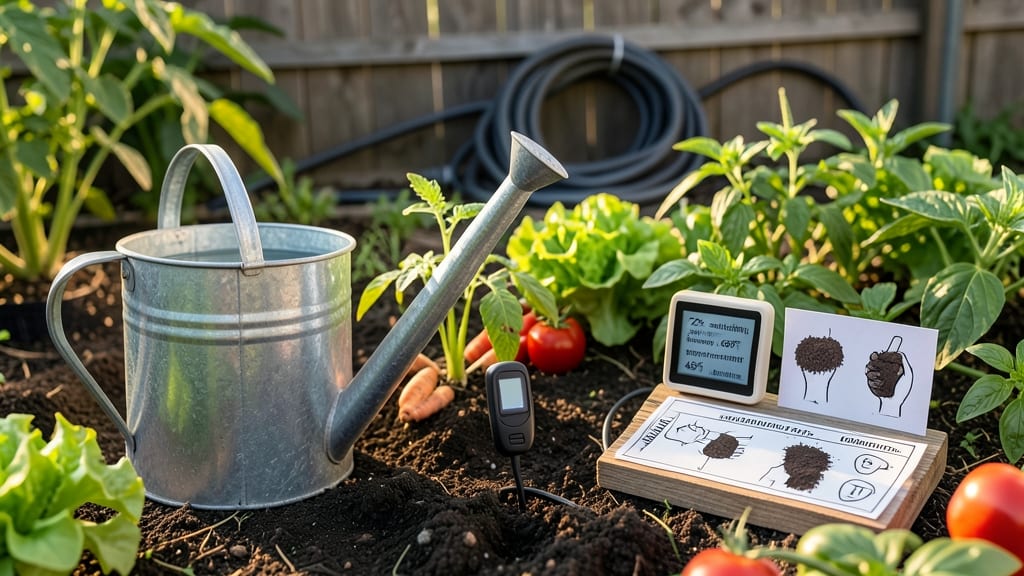
Watering your vegetable garden every day isn’t always the best move—it depends on soil, weather, and the plants themselves.
Overwatering your vegetable garden is one of the fastest ways to kill your plants—yet many gardeners still wonder if daily watering is the secret to a thriving harvest. The truth lies in understanding soil, plant types, and seasonal needs.
Most vegetables need about 1-2 inches of water per week, but that doesn’t mean you should drown them daily. In fact, daily watering can lead to shallow roots and fungal diseases, while inconsistent watering stresses plants.
Below, I’ll break down the ideal watering schedule based on your climate, soil type, and the specific needs of your 🥬 vegetable garden—so you can keep your plants happy without guessing.


How often should you water vegetable gardens based on plant type?
Watering your vegetable garden isn't a one-size-fits-all task—it depends entirely on what you're growing and your soil type. Daily watering might be perfect for leafy greens like lettuce, but it could drown root vegetables like carrots.
Let's break down the science so you can tailor your watering schedule to your garden's unique needs.
First, understand that leafy greens and fruit-bearing plants have different thirst levels. Leafy greens like spinach and kale need consistent moisture to stay tender, while root crops such as potatoes and beets prefer deeper, less frequent watering to develop properly.
Even within these categories, varieties differ—cherry tomatoes need more frequent watering than zucchini.
The soil type in your garden plays a massive role. Sandy soil drains quickly, requiring more frequent watering, while clay soil holds moisture longer, reducing how often you need to water. Loamy soil, the gardener's gold standard, strikes a balance and is easier to manage.
Let's explore how these factors interact to determine your watering schedule.
| Plant Type | Watering Frequency | Soil Adjustments | Key Notes |
|---|---|---|---|
| Leafy Greens (Lettuce, Spinach, Kale) | Daily or every other day | Sandy: More frequent; Clay: Less frequent | Keep soil moist but not soggy |
| Root Vegetables (Carrots, Beets, Potatoes) | Every 2-3 days (deep watering) | Avoid waterlogging; loamy soil ideal | Consistent moisture prevents cracking |
| Fruiting Plants (Tomatoes, Peppers, Cucumbers) | Every other day (deep soak) | Mulch to retain moisture | Avoid wetting foliage to prevent disease |
| Herbs (Basil, Cilantro, Parsley) | Every 1-2 days (light watering) | Well-draining soil critical | Overwatering causes root rot |
| Corn and Peas | Every 2-3 days (deep watering) | Sandy soil needs more frequent watering | Critical during tasseling and podding |
For leafy greens, aim to keep the top inch of soil consistently moist. These plants thrive with daily or every-other-day watering, especially in hot weather.
If your garden has sandy soil, you may need to water twice daily during heatwaves, while clay soil might only require watering every other day. Always check the soil moisture by sticking your finger an inch deep—if it feels dry, it's time to water.
Root vegetables like carrots and beets need a different approach. Instead of frequent shallow watering, give them a deep soak every 2-3 days. This encourages roots to grow longer and stronger. Clay soil can be tricky here—overwatering leads to rot, while sandy soil might require more frequent deep watering to prevent drying out. Mulching around these plants helps maintain even moisture levels.
When it comes to fruiting plants like tomatoes and peppers, consistency is key. These plants need every-other-day watering during their growing season, especially when flowers turn into fruit.
The goal is to keep the soil evenly moist without waterlogging. Mulching with straw or grass clippings can reduce evaporation and keep roots cool. Avoid wetting the leaves to prevent fungal diseases like powdery mildew.
Herbs often get overlooked, but they have specific watering needs too. Basil and cilantro prefer light, frequent watering—think every 1-2 days—while parsley is more drought-tolerant.
The key is to keep the soil slightly moist but never soggy. Well-draining soil is a must for herbs, as they hate sitting in water. If you notice yellowing leaves, you're likely overwatering.
Seasonal adjustments are crucial. In summer heat, most vegetables will need more frequent watering, while spring and fall allow for longer intervals between waterings. Pay attention to your local climate and weather forecasts.
For example, if a heatwave is predicted, increase watering frequency temporarily. Conversely, during cooler months, you can reduce watering to every 5-7 days, depending on your soil type.
One common mistake is assuming that all vegetables need the same amount of water. Daily watering might be perfect for your basil, but it could harm your
Signs your vegetable garden needs water (or too much water)
Your vegetable garden’s health depends on balanced moisture, not rigid schedules. Leafy greens like lettuce and spinach wilt dramatically when thirsty, while root vegetables like carrots and beets show stress through stunted growth.
The key is learning to read your plants’ signals—wilting leaves, crispy edges, or soil pulling away from pot sides all scream for hydration. But here’s the catch: overwatering can be just as deadly, causing root rot and fungal diseases that smother your harvest before it starts.
Start by checking soil moisture 1-2 inches deep with your finger. If it feels dry, it’s time to water. Morning watering is ideal—it gives roots time to absorb moisture before the heat of the day.
For container gardens, stick your finger in the soil; if the top layer feels bone-dry, water thoroughly until it drains from the bottom. Mulch around plants retains moisture, reducing how often you need to water, but don’t skip the occasional deep check to avoid overdoing it.
🌱
Daily watering isn’t always better—it can drown roots and invite fungal diseases like powdery mildew. Yellowing leaves, mushy stems, or a sour smell from soil mean you’re overdoing it. Test soil moisture before watering: if it’s damp, wait. Clay soil stays wet longer; sandy soil drains fast. Adjust your routine based on your garden’s needs, not a calendar.
Underwatering shows up as crispy leaf edges or drooping foliage that doesn’t bounce back after watering. Tomatoes and peppers develop blossom-end rot when moisture is inconsistent, while cucumbers and squash grow bitter and tough.
The fix? Water deeply and consistently—aim for 1-2 inches per week, including rainfall. If your garden feels like a desert, increase frequency but avoid shallow sprinkles that only wet the surface.
Watch for pest activity too—thirsty plants attract aphids and spider mites. Drip irrigation or soaker hoses deliver water directly to roots, reducing waste and keeping foliage dry.
For container gardens, group pots together and water all at once to mimic natural rainfall patterns. Drainage holes are non-negotiable; stagnant water in saucers breeds root rot faster than you can say "harvest failure."
Seasonal shifts demand flexibility.
In summer heat, you might water daily, but in spring or fall, every other day could suffice. Mulch with straw or wood chips to lock in moisture, and always water in the early morning to let leaves dry before nightfall—this prevents fungal spores from taking hold. Observe your plants: healthy veggies stand tall with vibrant colors, while stressed ones send SOS signals you can’t ignore.
💧