
Planting
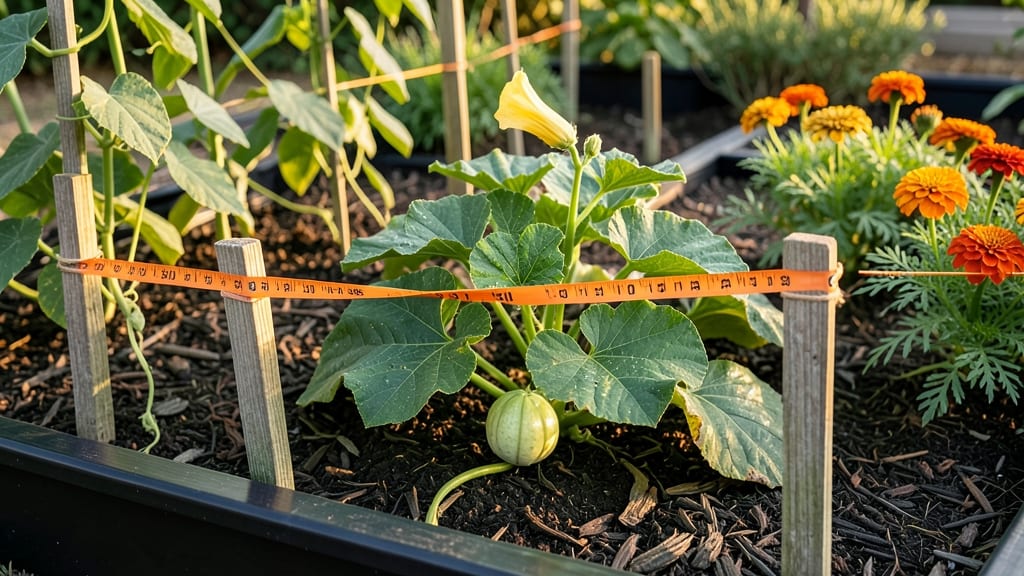
Spacing your squash in the garden properly is the difference between a bountiful harvest and a tangled mess of underperforming plants 🎃.
Picture this: you’ve just planted your squash seeds in April, excited for summer’s first zucchini. But by July, your vines are sprawling everywhere, the air isn’t circulating, and your plants look stressed. That’s not just bad luck—it’s a spacing problem.
The right distance between plants keeps airflow moving, prevents disease, and gives each vine room to grow strong. Bush varieties need 3 feet of space, while vining types like butternut squash can stretch up to 6 feet or more.
Get this wrong, and you’ll end up with fewer fruits, weaker stems, and a garden that looks like a jungle.
In this guide, I’ll break down the exact spacing you need for every type of squash, how to adjust for small gardens, and the three biggest spacing mistakes that ruin harvests—so you can plan your layout with confidence.
Optimal squash spacing by variety: summer vs winter types
Proper squash spacing transforms chaotic vines into a structured, high-yielding garden. Summer squash like zucchini and yellow squash need different spacing than winter varieties like butternut or pumpkins. I've planted both types for years, and the difference in yield and plant health is dramatic when spacing is right.
Summer squash thrive with 2-3 feet between plants and 4-5 feet between rows, while winter squash need 3-5 feet between plants and 5-6 feet between rows. The key difference?
Summer squash are harvested young and often bushier, while winter squash need room to mature into heavy fruits. Let's break it down by type for your perfect layout.
| Variety | Plant Spacing | Row Spacing | Trellis? | Notes |
|---|---|---|---|---|
| Zucchini (bush) | 2-3 ft | 4-5 ft | No | Compact, high yield |
| Yellow Squash | 2-3 ft | 4-5 ft | Optional | Vining types benefit from trellis |
| Butternut Squash | 3-4 ft | 5-6 ft | Yes | Heavy fruits need support |
| Pumpkins | 4-5 ft | 6-8 ft | No | Need wide spacing for vines |
| Spaghetti Squash | 3-4 ft | 5 ft | Yes | Long vines need vertical support |
For summer squash, I recommend planting 2-3 seeds per hill and thinning to the strongest plant. This works perfectly for zucchini and yellow squash, which produce prolifically when given enough space.
In my 4x8 ft raised beds, I plant three hills of zucchini along the length, leaving 3 feet between hills for airflow and easy harvesting.
Winter squash varieties like butternut and spaghetti squash benefit from trellising to save space and reduce disease risk. I use 6-foot tall tomato cages or wooden trellises for these varieties, which cuts row spacing needs by nearly half.
The vines grow vertically while the fruits hang down, making harvests easier and reducing soil-borne diseases.
When planting pumpkins, give them the most space—4-5 feet between plants and 6-8 feet between rows. These sprawlers need room to stretch, and crowding leads to poor fruit development.
I've learned this the hard way when my pumpkins fought for space and produced only small, misshapen fruits. Now, I dedicate an entire 10x10 ft section just for pumpkins.
For compact varieties, like 'Eight Ball' zucchini or 'Waltham Butternut', you can reduce spacing slightly to 18-24 inches between plants. These dwarf types are perfect for container gardening or small spaces.
Last year, I grew 'Eight Ball' in 5-gallon buckets on my patio and still got 10 pounds of zucchini per plant!
One common mistake I see is overestimating row spacing. Many gardeners plant summer squash rows too close together, which blocks sunlight and spreads disease. Aim for at least 4 feet between rows for summer types and 5-6 feet for winter varieties.
This ensures good airflow and easier access for harvesting.
If you're short on space, consider interplanting fast-growing summer squash with slower winter varieties. For example, plant zucchini in early spring, harvest it by mid-summer, then transplant butternut squash into the same spot. This maximizes your garden's productivity without sacrificing yields.
Remember, proper spacing isn't just about fit—it's about plant health. Well-spaced squash plants develop
How to adjust squash spacing for small gardens and containers
When you're working with a small garden or container growing, squash spacing becomes a creative challenge. The key is balancing plant health with yield potential—because cramming plants too close leads to poor airflow, disease, and stunted growth.
I've learned that with the right techniques, you can grow bush varieties or even compact vining squash in surprisingly tight spaces while still enjoying a bountiful harvest.
Start by choosing bush-type squash like Eight Ball zucchini or Patio Star pumpkin, which naturally stay compact. These varieties mature faster and produce fruit closer to the vine, making them ideal for containers or raised beds.
Even with these, proper spacing is non-negotiable—2-3 feet between plants is the minimum for bush types, though I often give them 3 feet when space allows.
Space-Saving Squash Techniques
✅ Companion Planting
Pros: Saves space, deters pests
Cons: Some companions compete for nutrients
Best pairs: Nasturtiums, beans, or marigolds
✅ Vertical Trellising
Pros: Saves 80%+ space, improves airflow
Cons: Requires sturdy support, best for vining types
Best for: Straightneck squash, spaghetti squash
✅ Container Growing
Pros: Portable, controls soil quality
Cons: Limited root space, needs frequent watering
Best pots: 12"+ diameter, fabric grow bags
Critical Tip: Always use well-draining soil in containers to prevent root rot from overwatering.
For container growing, I recommend using fabric grow bags or large pots with at least 12 inches of diameter for each plant. Place 2-3 plants per container only if you're growing bush varieties and ensure the container has drainage holes.
I've had success with 5-gallon buckets for single bush squash plants, though they'll need weekly feeding to compensate for limited nutrients.
When using companion planting, pair squash with fast-growing crops like radishes or lettuce that mature before the squash fills the space. I plant nasturtiums around my squash hills—they deter squash bugs naturally while adding color.
Avoid planting near potatoes or corn, as they compete for the same nutrients and can stunt squash growth. Marigolds are another great companion, repelling pests like cucumber beetles.
If you're dealing with vining squash in small spaces, trellising is your best friend. Use heavy-duty tomato cages or wooden trellises to guide vines upward, saving valuable ground space.
I've trained straightneck squash up 6-foot trellises in my backyard, producing just as many fruits as ground-grown plants but in a fraction of the space. Just be prepared to harvest frequently—heavy fruits can weigh down vines if left too long.
Remember, even in small spaces, airflow is non-negotiable. I once tried growing four zucchini plants in a 4'x4' raised bed, and by mid-summer, powdery mildew took over.
The lesson? Thin aggressively and prioritize 2-3 healthy plants over crowding. With these techniques, you can grow abundant squash even in the tiniest urban plots or balconies.