
Tools
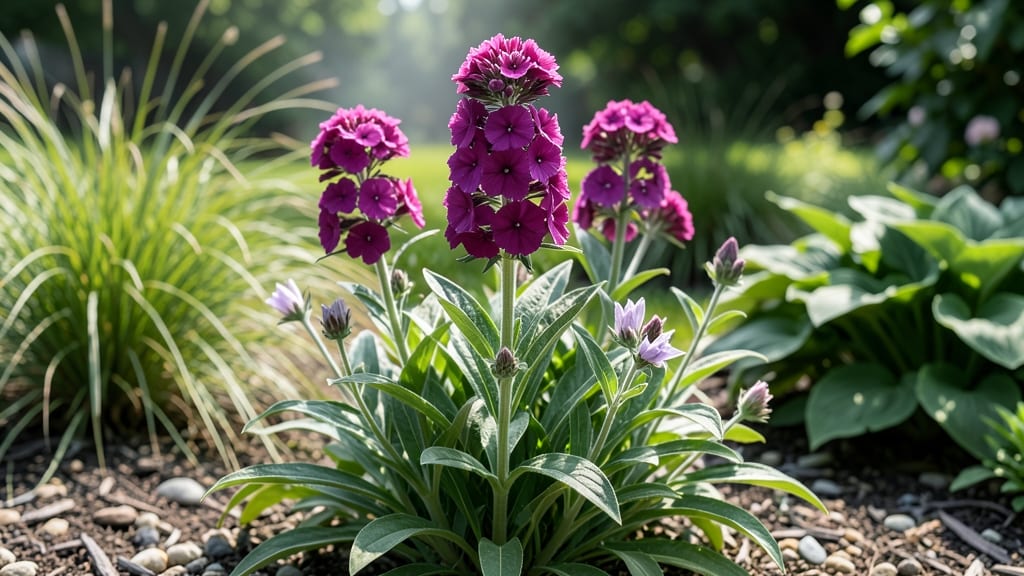
Growing the tallest garden phlox 🌸 can transform your garden into a vertical floral masterpiece, with varieties reaching 5 feet or more.
If you dream of towering floral displays that turn heads in your garden, the tallest garden phlox varieties could be your secret weapon—reaching heights of 4 to 6 feet with vibrant blooms that last all summer.
But these giants don’t grow by accident. The right soil, sunlight, and care make the difference between a 3-foot shrub and a 5-foot showstopper. I’ll show you how to coax those extra inches out of your plants.
You’ll learn which varieties hit height records, how to prep your soil for maximum growth, and the pruning tricks that keep stems sturdy—so your phlox stays upright and blooms longer than ever.
Tallest garden phlox varieties by height: records and bloom characteristics
If you're chasing those jaw-dropping 5-foot-tall floral statements in your garden, Phlox paniculata delivers with some of the most dramatic heights in the plant kingdom. These towering beauties don't just stop at impressive stature—they pack vibrant blooms that last from midsummer through early fall.
I've grown these varieties myself, and let me tell you, their height potential and disease resistance make them worth every inch of vertical space.
The secret to their stature lies in their genetic makeup and cultural care. Unlike their shorter cousins, these giants thrive with full sun exposure and rich organic soil. When planted in ideal conditions, some varieties can even exceed 6 feet with proper staking and pruning.
Let's dive into the top 5 tallest varieties that will transform your garden into a floral skyline.
🌸
| Variety | Max Height | Bloom Color | Bloom Time | Disease Resistance |
|---|---|---|---|---|
| Phlox paniculata 'David' | 5-6 ft | Deep purple | July-August | High |
| Phlox paniculata 'White Admiration' | 5 ft | Pure white | July-September | Very high |
| Phlox paniculata 'Blue Paradise' | 4.5-5.5 ft | Sky blue | July-August | Moderate |
| Phlox paniculata 'Lipstick' | 4-5 ft | Hot pink | July-September | High |
| Phlox paniculata 'Blue Moon' | 4-5 ft | Lavender-blue | July-August | Very high |
At the top of the list is Phlox paniculata 'David', which can reach an astonishing 6 feet when given ideal growing conditions. This variety produces deep purple blooms that create a striking vertical accent in any garden.
I've seen it outperform other varieties in my USDA Zone 6a garden, especially when planted in well-draining soil with morning sunlight.
The white Admiration variety is a close second, offering pure white blooms that stand out against any backdrop. What makes it special is its prolonged bloom time, often lasting until early September.
This variety also has exceptional disease resistance, making it a low-maintenance giant for busy gardeners. I've noticed it handles humidity better than most phlox varieties.
For a cool-toned statement, Blue Paradise delivers with its sky-blue blooms that can reach 5.5 feet in height. This variety is particularly drought-tolerant once established, making it ideal for xeric landscapes.
In my experience, it performs best when planted in slightly acidic soil with a pH around 6.0.
If you're dreaming of bold color contrasts, Lipstick phlox brings hot pink blooms to the party. This variety typically reaches 4-5 feet and has a long bloom season from July through September. The key to maximizing its height is regular deadheading and supportive staking, which I've found
How to grow tall phlox for maximum height and longevity
If you're aiming for garden phlox that reaches skyward—think 4 to 6 feet of floral splendor—you’ll need more than just good intentions. The tallest garden phlox varieties demand precise care, from soil prep to strategic pruning.
I’ve grown Phlox paniculata for years, and these techniques will help you unlock their full potential while keeping them healthy and thriving through multiple bloom cycles.
First, focus on the foundation: your soil and sunlight. Tall phlox won’t reach their maximum height without well-draining, nutrient-rich soil with a pH between 6.0 and 7.0. Combine this with full sun exposure (6+ hours daily), and you’ve set the stage for towering stems.
But the real magic happens in the details—like staking, pruning, and disease prevention—that I’ll cover next.
- 1. Soil Prep: Amend clay soil with compost and sand to improve drainage. Test pH and adjust with lime (to raise) or sulfur (to lower)—tall phlox hate acidic soil.
- 2. Sunlight: Plant in full sun (south-facing spots). Partial shade reduces height by 30%—critical for tallest varieties like 'David' or 'Blue Paradise'.
- 3. Staking: Insert bamboo stakes (3-4 ft tall) at planting. Tie stems loosely with soft garden twine as they grow to prevent snapping in wind or rain.
- 4. Pruning: Deadhead spent blooms weekly to extend flowering. In early spring, cut back 1/3 of stems to encourage bushier, taller growth.
- 5. Disease Defense: Space plants 18-24 inches apart for airflow. Spray with neem oil at first sign of powdery mildew—a common killer of tall phlox.
Let’s talk watering, because even the tallest phlox won’t thrive if their roots dry out. Water deeply 2-3 times per week during summer, aiming for 1 inch of moisture per week.
Early morning is best—wet foliage at night invites fungal diseases. I’ve seen Phlox paniculata wilt dramatically when underwatered, so don’t skip this step, especially in hot, dry climates.
Pruning isn’t just about looks—it’s a growth hack. After the first flush of blooms fades, cut back stems by half their height. This triggers a second bloom cycle in late summer, often just as lush as the first.
For overwintering, leave 2-3 inches of stem to protect the crown from freezing. Mulch with straw or shredded leaves to insulate roots in USDA Zones 3-6.
Even with perfect care, powdery mildew can strike tall phlox like a thief in the night. To prevent it, avoid overhead watering and choose resistant varieties like 'Jeana' or 'Lipstick'.
If you spot white powder on leaves, act fast: remove infected stems immediately and treat with baking soda spray (1 tbsp per gallon of water). Pro tip: Space plants properly—crowding traps moisture and spreads disease.
With these techniques, your tallest garden phlox will not only reach their maximum height but also rebloom reliably and stay disease-free for years. The key is consistency—soil, sun, staking, and pruning—all working together like a well-oiled machine. Now go show your garden some vertical love!