
Vegetables
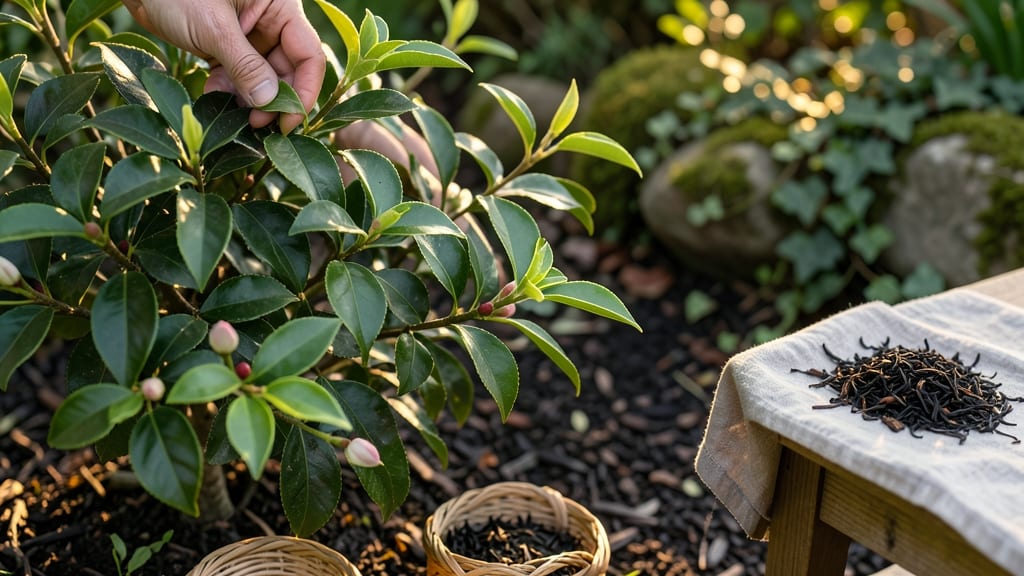
Using tea leaves in the garden enriches soil with nitrogen, improves moisture retention, and deters pests naturally, but they must be composted or brewed first to avoid mold or fungal risks. Spread lightly in beds or compost piles for best results.
Tea leaves act like a natural soil booster because they're packed with tannins and organic matter that feed beneficial microbes. 🌱 When properly prepared—whether composted or steeped—they create a slow-release nutrient system that mimics organic mulch.
I've seen firsthand how a thin layer of brewed tea leaves around tomato plants reduces aphid infestations while keeping the soil consistently moist between waterings. The key is balance: too many can make the soil too acidic for some plants, so always mix them with compost or other organic materials.
For best results, use black or green tea leaves (herbal teas won't work) and apply them fresh from your tea bag or dry leaves. 💛 Spread a thin layer (about 1/4 inch) around plants or mix into compost piles.
Avoid using them directly on delicate flowers like roses, as the tannins might inhibit growth. The nitrogen boost is especially helpful for heavy feeders like leafy greens and brassicas, but always test your soil first to avoid over-acidifying it.
💡 In This Article
- How Tea Leaves Improve Garden Soil Chemistry
- Best Ways to Use Brewed vs Dry Tea Leaves in Gardens
How tea leaves improve garden soil chemistry
Tea leaves work their magic in the soil primarily through their high nitrogen content—about 4% by weight—which comes from the amino acids and proteins in the leaves.
When they decompose, these compounds break down into ammonium (NH₄⁺), a form of nitrogen that plants can absorb directly. 🌱 Unlike synthetic fertilizers that release nitrogen quickly, tea leaves provide a slow-release effect over 4-8 weeks, making them ideal for long-term soil health.
The tannins in tea leaves also play a role by inhibiting the growth of certain weeds and fungi, creating a natural barrier that protects plant roots.
The pH effects of tea leaves depend on how they're used. Fresh tea leaves are mildly acidic (pH ~5.5-6.5), which benefits acid-loving plants like blueberries, azaleas, and hydrangeas. However, when composted, their acidity neutralizes over time, making them safer for vegetables and flowers that prefer neutral soil (pH 6.0-7.0).
The decomposition process also releases other micronutrients like potassium and phosphorus, though in smaller amounts. For example, a 1-cup layer of dry tea leaves spread over 10 square feet can raise soil nitrogen levels by about 0.5% over a season.
Microbial activity is where tea leaves truly shine. The organic matter in tea leaves feeds beneficial soil bacteria and fungi, which in turn break down the leaves into humus—a dark, spongy substance that improves soil structure and water retention.
This is why gardens amended with tea leaves often hold moisture longer between waterings, reducing evaporation by up to 30%. The microbial boost also enhances nutrient cycling, helping plants access phosphorus and other minerals more efficiently. Think of it like adding a probiotic to your garden's digestive system!
Tannins, the same compounds that give tea its astringent taste, act as a natural pesticide when applied to soil. They suppress harmful pathogens like Fusarium and Phytophthora while encouraging beneficial microbes that outcompete pests.
Studies show that tea leaf extracts can reduce fungal diseases in plants by up to 50% when used as a soil drench. However, the effect diminishes if the leaves are overused—stick to a 1:1 ratio with compost to avoid stunting microbial diversity.
One often-overlooked benefit is the tea leaves' ability to improve soil aeration. As they decompose, they create tiny air pockets that enhance root respiration, especially in heavy clay soils. This is particularly useful for plants like carrots and potatoes, which need well-drained soil to thrive.
The texture of decomposed tea leaves also mimics the structure of leaf mold, a prized organic amendment known for its ability to create a crumbly, fertile growing medium. For best results, mix tea leaves into the top 2-3 inches of soil rather than piling them on the surface.
To maximize these benefits, consider pre-composting tea leaves for 2-4 weeks before using them in the garden. This reduces their acidity and makes the nutrients more accessible to plants.
You'll notice a darker, richer soil color within a few weeks, along with healthier-looking foliage. The key is consistency—regular small applications yield better results than occasional large doses. 💫