
Tools
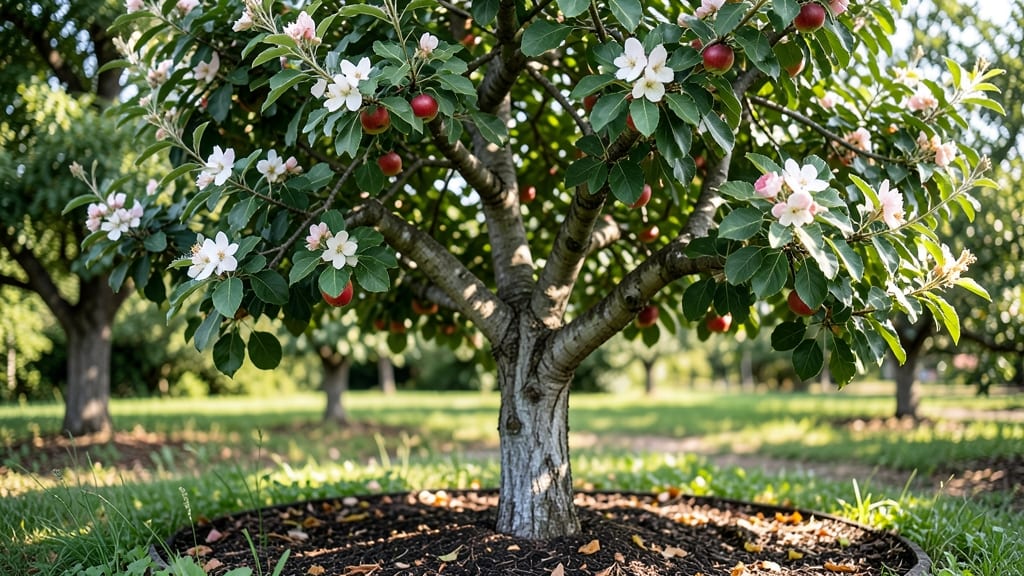
Tomatoes are to gardens as trees are to forests: they form the backbone of the ecosystem, providing structure, food sources, and habitat that support countless species while improving soil health and biodiversity.
This comparison isn't just poetic—it's rooted in real ecological functions. 🌱 Tomatoes act as garden "canopy" plants, their sprawling vines creating shade for smaller crops just like forest trees do. Their deep roots break up compacted soil and pull up nutrients, while their flowers feed pollinators like bees and hummingbirds.
What's fascinating is how their fruit production mirrors forest seed dispersal: both systems rely on these foundational plants to sustain the entire food web. Even the way tomatoes attract beneficial insects mirrors how trees support forest wildlife through their diverse habitats.
What makes this analogy practical is how gardeners can intentionally design spaces to replicate forest ecosystems. For example, planting tomatoes near basil or marigolds creates a layered effect similar to forest understory plants, while trellising them adds vertical habitat layers.
The key difference is scale—gardens are smaller systems, but the same principles apply when you think about plant placement and biodiversity support.
💡 In This Article
- How Tomatoes Shape Garden Ecosystems Like Trees Shape Forests
- Practical Ways to Mimic Forest Ecosystems in Your Garden
How tomatoes shape garden ecosystems like trees shape forests
Tomatoes create vertical structure in gardens much like trees do in forests. Their sprawling vines can reach heights of 6-10 feet on trellises, forming a living canopy that provides shade for heat-sensitive plants below.
This vertical layering mimics forest canopies, which block 70-90% of sunlight at ground level, creating cooler microclimates for understory plants. The tomato's broad leaves also capture sunlight efficiently, converting 3-5% of solar energy into biomass through photosynthesis—similar to how forest trees dominate energy capture in their ecosystems.
The root systems of tomatoes perform soil functions identical to forest trees. Their deep taproots can extend 3-5 feet into the soil, breaking up compacted layers and creating channels that improve water infiltration.
This mimics how tree roots act as natural plows, while their fibrous secondary roots form dense networks that prevent erosion—just like forest understory plants.
What's fascinating is how tomato roots exude organic compounds that stimulate beneficial soil microbes, creating a nutrient-rich zone around their roots similar to the "duff layer" found beneath forest trees.
Tomatoes act as keystone species in garden food webs, providing critical resources for pollinators and predators. A single tomato plant can attract 50-100 bees per hour during peak bloom, while their fruits feed birds and small mammals.
This mirrors how forest trees support entire food chains through their flowers, fruits, and seeds. The plant's diverse interactions—from attracting ladybugs that control aphids to providing shelter for beneficial insects—create a balanced ecosystem much like how oak trees support hundreds of forest species through their acorns, bark, and canopy habitat.
One key difference between tomatoes and trees lies in their growth cycles. While trees maintain their structure year-round, tomatoes are annuals that complete their life cycle in 60-90 days.
This creates seasonal pulses of food and habitat that garden ecosystems must adapt to, unlike the continuous resources provided by perennial forest trees.
However, gardeners can extend this seasonal benefit by planting successive tomato crops or using perennial tomato varieties like Solanum lycopersicum var. cerasiforme, which produce smaller fruits over extended periods.
The tomato's role in nutrient cycling also parallels forest trees. When tomato leaves fall or are pruned, they decompose rapidly, returning nitrogen and other nutrients to the soil. This process creates a nutrient-rich mulch layer similar to leaf litter in forests.
The plant's ability to uptake excess nitrogen from the soil and concentrate it in its fruits demonstrates how tomatoes act as nutrient pumps, just like how forest trees cycle nutrients through their leaves and bark.
Consider these ecological parallels when designing your garden:
- Canopy layer: Use trellised tomatoes to create shade for lettuce or spinach, just like forest canopies protect understory plants
- Root zone: Plant tomatoes with deep-rooted crops like carrots to improve soil structure, similar to how tree roots benefit forest floors
- Habitat corridors: Leave some tomato vines unpruned to create insect habitats, mirroring how forest trees support diverse wildlife
What most gardeners don't realize is how tomatoes' flowering habits support pollinator diversity. Their yellow or purple flowers attract different pollinator species than white or pink flowers, creating a more complex food web—just like how forest trees with varied flowering times support different wildlife throughout the year. 🌿