
Tools
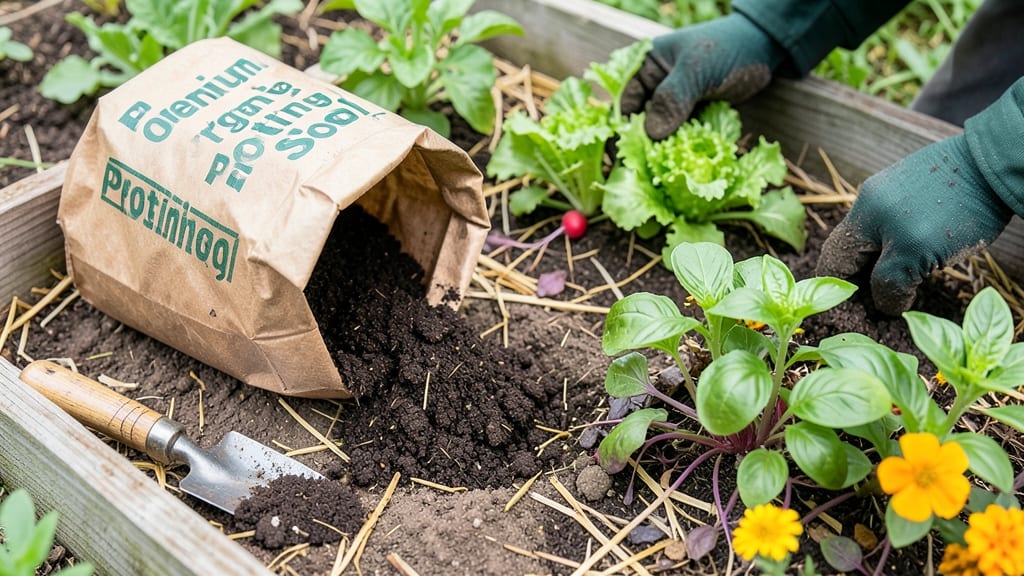
Using potting soil in garden beds can harm plants by disrupting natural soil structure, compacting roots, and introducing pathogens if not amended properly. Mix only in small quantities for nutrient-boosting or in poor-quality native soil, never as a full replacement.
Potting soil is designed for containers, not garden beds, because it lacks the microbial diversity and mineral balance that native soil provides. 🌱 The lightweight, airy texture that makes it ideal for pots can actually suffocate roots when used in ground beds, while its high organic content breaks down too quickly, leaving plants nutrient-starved.
Even when mixed in, it often creates a waterlogged mess unless you're working with sandy or heavily compacted native soil.
That said, there are smart ways to use potting soil in your garden—just not as a direct replacement. For example, I'll often mix 1 part potting soil to 3 parts native soil when amending a poor-quality bed, focusing on areas where vegetables or heavy feeders like tomatoes need extra nutrients.
The key is to use it as a supplement, not a foundation, and always pair it with compost to restore the microbial balance your plants depend on.
💡 In This Article
- How Potting Soil Differs from Garden Soil
- Safe Ways to Incorporate Potting Soil into Garden Beds
How potting soil differs from garden soil
The core difference lies in how potting soil is engineered for containers versus how garden soil evolves naturally over decades. Potting mixes typically contain 50-70% peat moss or coconut coir, which provides moisture retention and aeration—ideal for pots where water drains quickly.
These ingredients also undergo sterilization to eliminate pathogens, creating a sterile environment that's safe for seedlings but lacks the microbial diversity of outdoor soil. In contrast, garden soil contains a complex ecosystem of bacteria, fungi, and earthworms that break down organic matter and release nutrients gradually.
Another critical distinction is texture and compaction. Potting soil is designed to stay loose and fluffy, preventing root suffocation in confined spaces. However, when tilled into garden beds, this lightweight structure collapses under foot traffic or rain, creating pockets where roots can't expand properly.
Native garden soil, on the other hand, develops a stable mineral framework over time—often containing 40-60% minerals like sand, silt, and clay—that provides structural support for plant roots.
The contrast becomes especially problematic for deep-rooted plants like fruit trees or perennials, which need the stable, well-structured environment that garden soil provides.
Nutrient availability also behaves differently between the two. Potting soil is often amended with fast-release fertilizers (like 10-10-10 NPK blends) to provide immediate growth boosts in containers.
When mixed into garden beds, these synthetic nutrients can lead to nutrient spikes that burn plant roots or cause excessive foliage growth at the expense of fruit production. Meanwhile, garden soil's nutrients come from slow decomposition of organic matter, creating a balanced, long-term feeding system that supports steady plant development.
Consider the moisture dynamics: potting soil's high organic content means it holds water like a sponge, which can create soggy conditions when tilled into garden beds. Native soil, especially in established gardens, has developed natural drainage pathways through worm tunnels and root channels.
When you mix in potting soil, you're essentially adding a water-retaining layer that can disrupt this balance, leading to root rot in heavy clay soils or drought stress in sandy areas. This is why even "well-draining" potting mixes can cause problems when used in ground applications.
One often-overlooked factor is the pH difference. Most potting soils are formulated to be slightly acidic (pH 5.5-6.5) to mimic the conditions of many container plants. Garden soil, however, typically ranges from 6.0-7.5, with local variations based on bed location.
When you mix these together, you can create pH imbalances that affect nutrient uptake—especially for plants sensitive to soil acidity like blueberries or hydrangeas, which may suddenly struggle to access iron or phosphorus.
Finally, think about the long-term effects on soil biology. Garden soil develops its microbial community through decades of plant growth, decomposition, and animal activity. Potting soil, being sterile, lacks these beneficial organisms.
When you introduce it to garden beds, you're essentially adding a "blank slate" that can temporarily disrupt the existing ecosystem, especially if you're not adding compost or other organic amendments to reintroduce beneficial microbes. This microbial imbalance can weaken plants' natural defenses against pests and diseases.