
Tools
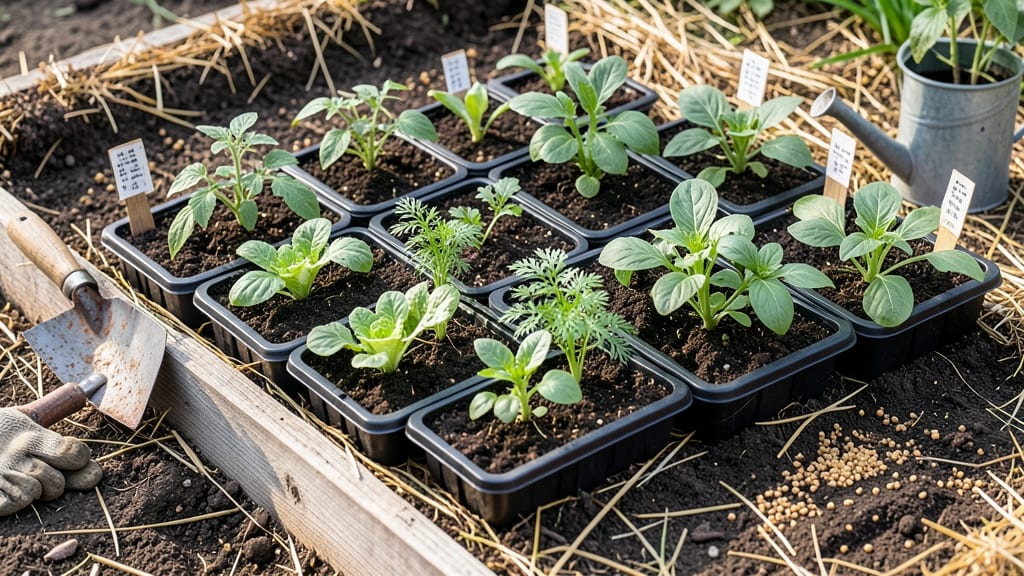
Scheduling your vegetable garden planting by frost dates and crop maturity is the difference between a bumper harvest and a sad, half-dead patch of soil.
Picture this: You’ve spent hours preparing your beds, only to watch your seedlings bolt or your tomatoes freeze because you planted at the wrong time. The good news? A little planning—using your USDA zone and a frost-date calculator—can turn those mistakes into a foolproof schedule.
Whether you’re a beginner or a seasoned gardener, knowing when to sow seeds, transplant seedlings, and harvest is everything. This guide breaks down the exact planting windows for spring and fall crops, so you can maximize your growing season without guessing.
From fast-growing lettuce to slow-maturing tomatoes, we’ll cover the ideal planting dates for your zone, plus tips for extending your harvest with row covers and greenhouses. Ready to grow like a pro?


How to calculate your frost dates for a perfect vegetable planting schedule
Timing is everything in gardening—plant too early or too late, and your vegetable garden could end up with wilted dreams instead of thriving harvests. The key? A frost-date calculator tailored to your USDA zone and crop maturity, ensuring you sow seeds and transplant seedlings at the perfect moment.
Without accurate frost dates, even the hardiest cool-season crops like spinach or warm-season favorites like tomatoes can suffer from frost damage or fail to mature.
Your last frost date marks the safest time to plant heat-loving vegetables, while the first frost date determines when to harvest cool-season crops before temperatures drop. These dates vary dramatically across the USDA Plant Hardiness Zones, from Zone 3's harsh winters to Zone 10's mild climate.
For example, Zone 3 gardeners might see their last frost in early May, while Zone 9 gardeners could plant tomatoes as late as October.
To create your personalized planting schedule, you'll need three critical pieces of information: your USDA zone, your average last frost date, and your crops' days to maturity.
The USDA Plant Hardiness Zone Map is your starting point—find your zone, then locate your city's average frost dates using resources like the National Oceanic and Atmospheric Administration (NOAA) or local agricultural extension services.
Once you know your frost dates, calculate heat units (growing degree days) to determine when to plant long-season crops like peppers or broccoli. For instance, a 90-day tomato planted 60 days before your first frost will need warm soil and consistent temperatures to reach maturity.
Use a frost-date calculator to input your zone and crop details for instant planting windows.
Here’s how to calculate everything step by step:
Use the USDA Plant Hardiness Zone Map to identify your zone (e.g., Zone 5, Zone 8). This tells you your general climate range and average frost dates.
Check local weather records or NOAA data for your city’s average last frost date. For example, Zone 6 might have a last frost around April 15.
Plant cool-season vegetables (e.g., lettuce, peas, spinach) 4-6 weeks before your last frost date. These crops thrive in cooler temperatures and can often tolerate light frosts.
For warm-season crops (e.g., tomatoes, peppers, cucumbers), subtract your crop’s days to maturity from your first frost date. For example, a 75-day tomato in Zone 6 (first frost: October 15) should be planted by July 21.
Warm-season crops like beans and squash need soil temperatures of at least 60°F. Use a soil thermometer to confirm readiness—planting too early can stunt growth.
Extend your harvest by planting fast-maturing crops (e.g., radishes, bush beans) every 2-3 weeks after your initial planting. This ensures a continuous supply of fresh produce.
For example, if you’re in Zone 5 with a last frost date of May 10 and a first frost date of October 1, a 60-day pepper plant should be started indoors by March 1 and transplanted outdoors by April 20.
Meanwhile, 30-day radishes can be sown directly into the soil every 2 weeks from April 1 through July 1 for a steady harvest.
Don’t forget to account for microclimates—areas near bodies of water or south-facing slopes may experience later last frosts or earlier first frosts. Use row covers or cold frames to extend your growing season for early or late crops.
For instance, a cold frame can protect basil or cucumbers from light frosts, allowing you to plant them 2-3 weeks earlier than your official last frost date.
Pro tip: Bookmark a frost-date calculator like the one from the Old Farmer’s Almanac or use apps like Gardenate to automate your calculations. These tools pull data from your ZIP code and provide customized planting dates for hundreds of vegetables.
With precise frost dates and heat unit calculations, you’ll transform guesswork into a foolproof vegetable planting schedule that maximizes your harvest potential.
Start by identifying your zone, then use the steps above to create a planting timeline that aligns with your climate. Soon, you’ll be enjoying homegrown tomatoes, crisp lettuce, and fresh herbs—all thanks to the perfect planting schedule! 🌱
Best vegetable planting schedule by USDA Zone (30-Day, 60-Day, 90-Day crops)
Your USDA zone determines the perfect window for planting 30-day crops like radishes, 60-day crops such as beans, and 90-day+ crops like tomatoes. Each zone has unique last frost dates, so timing matters—plant too early, and frost will kill tender seedlings; too late, and you’ll miss the harvest.
Below is your zone-specific guide to maximize yields.
For example, in Zone 5, you’ll plant spinach (30 days) 4-6 weeks before the last frost, while tomatoes (90 days) need to go in after frost danger has passed.
In Zone 9, you can extend seasons with fall plantings, but cool-season crops like broccoli must be sown before summer heat arrives.
Use this schedule to align your seed starting with your zone’s frost-free period. For instance, in Zone 7, sow bush beans (60 days) in early March for a June harvest, while zucchini (50 days) can wait until mid-April.
In warmer zones like Zone 10, you can plant warm-season crops year-round with minimal frost risk.
Pro tip: Succession planting works wonders for 30-day crops like lettuce. Sow a new batch every 2 weeks to ensure a continuous harvest. For 90-day crops, use row covers to extend the season in cooler zones, protecting seedlings from unexpected frosts.
Always check your local average frost dates—they can vary by 1-2 weeks from the USDA averages. Adjust your schedule based on microclimates (e.g., valleys vs. hilltops) and soil temperature (use a soil thermometer for accuracy).
Start with fast-growing crops like radishes to test your timing, then move to longer-season varieties. With this schedule, you’ll avoid bolting (premature flowering) in heat-sensitive greens and ensure tomatoes ripen before frost. Happy planting! 🌱