Watering
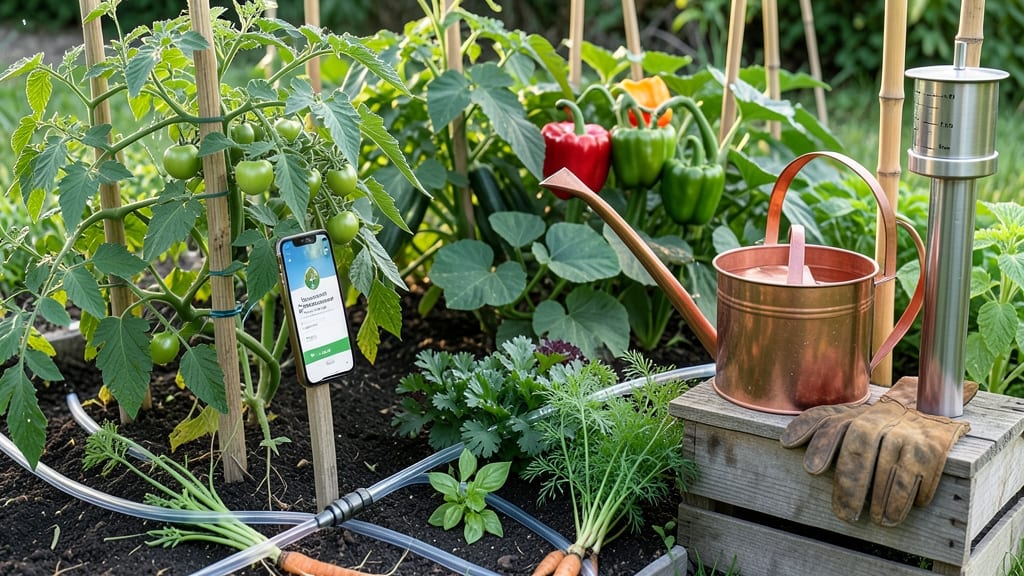
Watering your vegetable garden with the right frequency means knowing exactly how often each crop needs hydration to thrive—not just guessing or sticking to a one-size-fits-all schedule.
Picture this: you’re checking your 🥬 in the morning, expecting lush, happy plants, only to find wilting leaves or soil that’s either bone-dry or soggy. That’s the difference between a bountiful harvest and wasted effort.
The truth? Watering frequency isn’t just about days between sessions—it’s about soil type, plant stage, and even the time of day you water.
In this guide, I’ll break down the crop-specific watering schedule you need, from seedlings to fruiting, plus pro tips like mulching and drip irrigation to save time and keep roots healthy. No more over- or under-watering—just the perfect balance for your garden’s needs.
You’ll also learn the best times to water (and what to avoid), how to spot signs of stress, and how to adjust for heatwaves or rainy spells. Let’s get your vegetable garden the hydration it deserves!
How often to water vegetable plants by growth stage (not just crop type)
Watering your vegetable garden isn’t a one-size-fits-all task. While lettuce and radishes might thrive with frequent light watering, tomatoes and peppers demand deeper, less frequent soaks—especially during their fruiting stage. The key? Adjusting your watering schedule based on growth stages, not just the type of vegetable.
Seedlings need gentle hydration, flowering plants crave consistency, and fruiting crops require deep, infrequent watering to develop flavor and structure.
Most gardeners focus on crop-specific watering needs, but the real game-changer is understanding how a plant’s life cycle dictates its hydration requirements. A seedling with delicate roots can’t handle the same watering routine as a mature tomato plant with a deep root system.
Ignoring this can lead to root rot in young plants or blossom end rot in fruiting vegetables. Let’s break down the ideal watering frequency for each growth stage, plus how to test soil moisture and adjust for your local climate.
🌱 Growth Stage | Watering Frequency | Depth | Key Tips | --- | --- | --- Seedlings | Every 1-2 days | 1 inch | Keep soil consistently moist (not soggy) Vegetative Growth | Every 3-5 days | 1.5-2 inches | Water at soil level to avoid leaf wetness Flowering | Every 2-3 days | 2 inches | Increase frequency in dry heat Fruiting | Every 4-7 days | 2.5-3 inches | Deep watering early morning only Harvest | Every 5-10 days | 2-3 inches | Reduce frequency as temps drop
The seedling stage is the most critical for watering precision. Young plants have tiny roots that can’t reach deep water sources, so I mist the soil lightly every 1-2 days to keep the top inch moist.
Overwatering here leads to damping-off disease, while underwatering causes stunted growth. Use a spray bottle or fine mist setting on your hose to avoid disturbing delicate seedlings.
Once plants enter the vegetative growth stage, they develop stronger root systems and can handle deeper watering.
At this point, I switch to 1.5-2 inches of water every 3-5 days, depending on your soil type. Sandy soil drains quickly, so you may need to water more frequently, while clay soil holds moisture longer.
Always water at the base of the plant to prevent fungal spores from splashing onto leaves.
When your vegetables start flowering, their water needs increase slightly. Flowers and developing fruits are heavy, and the plant requires consistent moisture to support them. I water every 2-3 days with 2 inches of water, ensuring the soil stays evenly moist.
This is also when I monitor for wilting during the day—if leaves droop by midday, it’s a sign to water sooner.
The fruiting stage is where deep, infrequent watering shines. Fruits like tomatoes, peppers, and cucumbers need 2.5-3 inches of water every 4-7 days to develop properly. Shallow watering here can lead to cracked fruits or poor flavor.
I use a soaker hose or drip irrigation to deliver water slowly at the root zone, avoiding wet foliage that invites pests and diseases.
Testing soil moisture is the best way to fine-tune your watering schedule. Stick your finger 1-2 inches deep into the soil—if it feels dry, it’s time to water. For deeper checks, use a moisture meter or the screwdriver test: push a screwdriver into the soil.
If it resists, the soil is too dry. Adjust your schedule based on these tests, not just a rigid calendar.
Environmental factors play a huge role in watering frequency. In hot, dry climates, I water daily in the early morning to reduce evaporation, while in cooler, humid regions, I can stretch watering to every 5-7 days.
Mulching with straw or wood chips helps retain moisture and regulate soil temperature, cutting down on how often I need to water. Always adjust for rainfall—if you’ve had 1 inch of rain, skip a watering day.
One common mistake is assuming all vegetables need the same amount of water. Leafy greens like spinach and kale prefer frequent, shallow watering, while root vegetables such as carrots and beets need deep, consistent moisture to prevent deformities.
Pay attention to your plants’ growth habits and adjust accordingly. For example, herbs like basil wilt quickly when thirsty, while onions can tolerate slightly drier conditions.
As your vegetables near harvest time, reduce watering slightly to concentrate flavors and firm up produce. For leafy greens, I cut back to every 5-7 days, while fruiting plants can handle every 7-10 days if the soil remains moist.
Always water early in the day to allow foliage to dry before evening, reducing the risk of fungal infections. With the right watering rhythm, your garden will yield healthier, more flavorful vegetables all season long.
Best times of day to water vegetables (and what to avoid)
Timing your watering schedule is just as important as how much you water. Morning watering between 6 AM and 10 AM gives roots time to absorb moisture before the heat sets in, while evening watering after 6 PM helps prevent evaporation.
The wrong timing can lead to fungal diseases or leaf scorch, so let’s break down the science behind the best practices.
Watering in the morning reduces fungal spores from lingering on leaves overnight, which is especially critical for crops like tomatoes and peppers. Meanwhile, midday watering can cause leaf scorch due to the intense sun magnifying water droplets into tiny lenses that burn foliage.
Even well-intentioned gardeners often overlook these details, leading to avoidable stress on plants.
Morning vs. Evening Watering
- ✅ Reduces fungal diseases
- ✅ Encourages deep root growth
- ✅ Less evaporation in cooler temps
- ✅ Prevents midday leaf scorch
- ✅ Helps retain moisture in dry climates
- ✅ Good for container gardens
- ❌ Causes leaf scorch from sun magnification
- ❌ Increases evaporation loss
- ❌ Promotes fungal growth if water sits
- 🌡️ Hot climates: Water early morning only
- 🌧️ Humid areas: Avoid evening watering to prevent mildew
- ❄️ Cold regions: Water midday to prevent frost buildup
If you live in a hot, dry climate like Arizona or Southern California, stick to morning watering exclusively. The intense sun can turn water droplets into burning lenses, damaging leaves within minutes.
In humid regions like the Southeast, avoid evening watering to prevent fungal diseases like powdery mildew, which thrives in damp conditions.
For container gardens, evening watering can be beneficial because pots dry out faster and retain less moisture. However, always check soil moisture first—overwatering in containers leads to root rot just as quickly as underwatering.
Use your finger to test the top inch of soil; if it’s dry, it’s time to water.
One common mistake is assuming all vegetables have the same watering needs. Leafy greens like lettuce and spinach prefer consistent moisture, while root vegetables like carrots and potatoes need deeper, less frequent watering.
Adjust your schedule based on the growth stage of your plants—seedlings need gentle, frequent watering, while mature plants can handle deeper soaks less often.
Pro tip: Use a soaker hose or drip irrigation for precise watering. These methods deliver water directly to the roots, reducing waste and fungal risks. Pair this with mulching to lock in moisture and keep soil temperatures stable.
With the right timing and tools, you’ll see healthier plants and bigger harvests.