
Advice
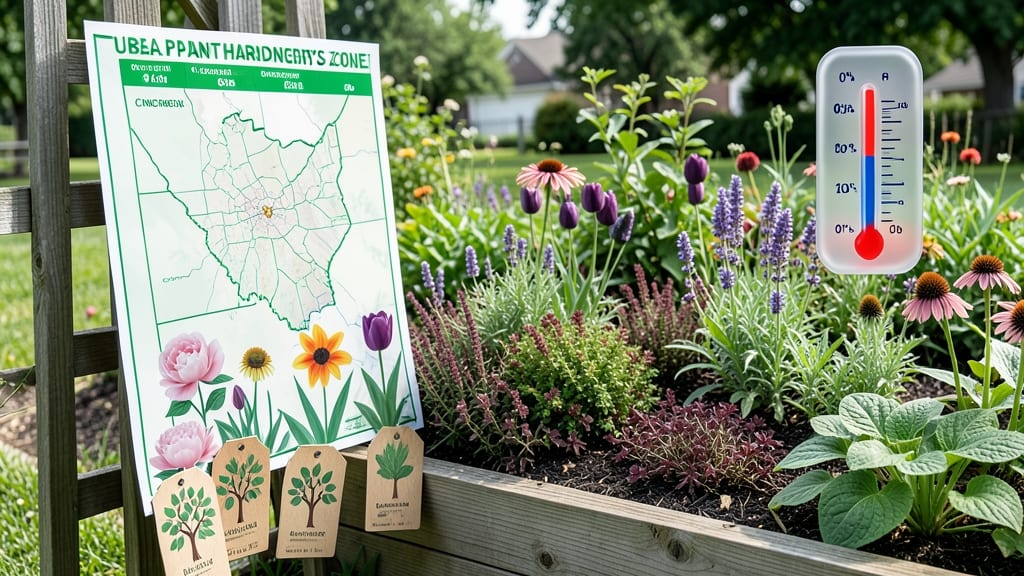
If you're wondering, what gardening zone is Cincinnati, Ohio?—you’re in 6a-6b, which means you’ve got a short growing season but enough warmth to grow almost anything—if you time it right.
Picture this: You’ve just planted your dream garden in mid-April, only to watch a late frost wipe out your seedlings. Or maybe you’re eyeing that perennial border but aren’t sure which plants will survive the winters here.
Knowing your zone isn’t just about picking plants—it’s about avoiding those heartbreaking mistakes that turn gardening into guesswork.
Zone 6a-6b gives you about 165 frost-free days, which shapes everything from when you start seeds indoors to which tomatoes make it to your table. Too early? Frost. Too late?
The heat arrives before the harvest. I’ve learned the hard way that getting the timing right is the difference between a thriving garden and a pile of sad, wilted dreams.
Here’s what you’ll find in this guide: how to use your zone to plan smarter, the best plants for Cincinnati’s climate, and even how to stretch your season with a few simple tricks. Let’s turn that guesswork into green thumbs-up success.
Cincinnati’s USDA planting zones 6a-6b: what it means for your garden
Cincinnati’s USDA Planting Zones 6a and 6b determine which plants thrive in your garden year-round. Zone 6a has average minimum temperatures between -10°F and -5°F, while 6b ranges from -5°F to 0°F.
This classification helps you choose cold-hardy plants that survive winter and grow well in Cincinnati’s humid continental climate.
Understanding your zone ensures you plant frost-tolerant vegetables like kale, broccoli, and peas in early spring and warm-season crops like tomatoes and peppers after the last frost.
The average last frost date in Cincinnati is around April 15, while the first frost typically arrives October 15, giving you a 165-day growing season.
Here’s how your zone affects planting decisions, from spring starts to fall harvests:
| Category | Zone 6a Details | Zone 6b Details |
|---|---|---|
| Temperature Range | -10°F to -5°F | -5°F to 0°F |
| Last Frost Date | April 15 (±5 days) | April 15 (±5 days) |
| First Frost Date | October 15 (±7 days) | October 15 (±7 days) |
| Growing Season | 160–170 days | 165–175 days |
| Spring Planting Window | Mid-April to May 1 | Late April to May 1 |
| Fall Planting Window | August 15–September 15 | September 1–September 30 |
| Cold-Hardy Perennials | Coneflowers, Black-Eyed Susans | Daylilies, Hostas, Peonies |
| Warm-Season Crops | Tomatoes, Peppers, Basil | Same + Okra, Sweet Potatoes |
Zone 6a gardeners should prioritize extra cold protection for tender plants, like using row covers or straw mulch during late spring frosts. Zone 6b offers a slightly longer growing season, allowing you to experiment with slightly warmer crops like okra or sweet potatoes that may struggle in 6a.
For spring planting, start cool-season crops like spinach and lettuce indoors in March and transplant after the last frost. Warm-season crops, such as tomatoes and peppers, need to wait until soil temperatures reach 60°F, typically by mid-May. Use a soil thermometer to confirm readiness.
In fall, take advantage of Cincinnati’s mild autumn by planting garlic, onions, and kale in September. These crops benefit from cool temperatures and can overwinter for early spring harvests. Avoid planting warm-season crops after August 15, as they won’t mature before frost.
Microclimates in Cincinnati—like urban heat islands or shaded backyard spots—can shift your effective zone by half a zone or more. For example, a south-facing wall might extend your growing season by 2–3 weeks, while a north-facing garden could delay spring planting.
Observe your garden’s unique conditions to fine-tune plant selection.
To verify your exact zone or adjust for microclimates, use the USDA Plant Hardiness Zone Map or consult your local Cooperative Extension Service. These resources provide hyperlocal insights tailored to Cincinnati’s neighborhoods, ensuring your garden thrives year-round.
Pro tip: Keep a garden journal to track frost dates and plant performance in your specific spot. Over time, you’ll refine your planting schedule to match your microclimate perfectly—leading to
Best plants for Cincinnati’s zone 6a-6b: a seasonal planting guide
Cincinnati’s Zone 6a-6b climate offers a perfect balance for gardeners—long summers, crisp falls, and mild winters. Knowing the right plants for each season ensures your garden thrives year-round. Let’s break down the best vegetables, flowers, and shrubs to plant in spring, summer, and fall.
Spring is ideal for cool-season vegetables like lettuce and peas, while summer loves heat-tolerant tomatoes and peppers. Fall brings hardy perennials and bulbs that store energy for next year. Each plant type has specific timing and care needs tailored to Cincinnati’s 165 frost-free days.
- Spring: Lettuce (30-45 days), Peas (60-70 days), Spinach (40-50 days)
- Summer: Tomatoes (70-85 days), Peppers (60-90 days), Zucchini (45-55 days)
- Fall: Kale (50-60 days), Carrots (70-80 days), Daffodils (plant bulbs by Oct)
- Perennials: Daylilies (low-maintenance), Coneflowers (drought-tolerant), Hydrangeas (partial shade)
- Shrubs: Butterfly Bush (attracts pollinators), Boxwood (evergreen hedge), Serviceberry (edible fruit)
For spring planting, start with cool-hardy vegetables like broccoli and cabbage. These thrive in Cincinnati’s 50-60°F soil temperatures and can handle light frosts. Use row covers if late frosts threaten, especially in Zone 6a areas.
Summer is all about warm-season crops. Plant tomatoes and peppers after the last frost (mid-April), and mulch heavily to retain moisture. Marigolds and sunflowers also excel in summer heat, adding color and pollinator support.
Fall is perfect for perennials and bulbs. Plant daffodils and tulips by mid-October to establish roots before winter. Garlic and onions can also be planted in fall for early spring harvests.
Don’t forget shrubs and trees! Serviceberry and dogwood thrive in Cincinnati’s climate, offering year-round interest. Prune hydrangeas in late winter to encourage bushier growth.
With the right plants for each season, your Cincinnati garden will flourish—no matter the time of year! 🌷