
Propagation
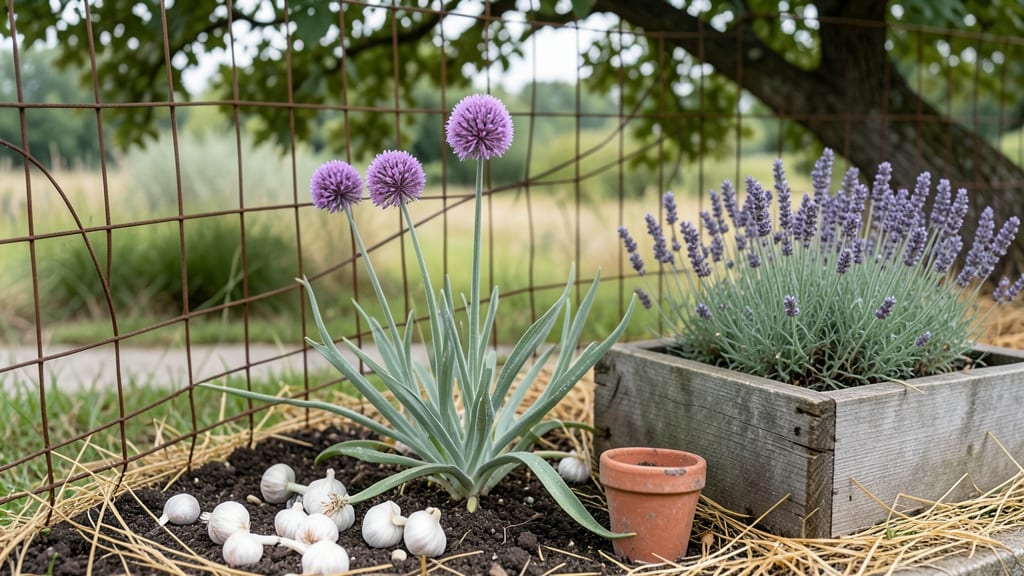
What keeps bunnies away from gardens is a combination of strong-smelling natural repellents—like crushed garlic, peppermint oil, or cayenne pepper—and sturdy physical barriers such as buried chicken wire or elevated planting beds. Regular maintenance is essential to keep these methods effective.
Bunnies have an incredibly sensitive sense of smell, which is why scents like garlic and citrus oils work so well—they create an unpleasant experience that rabbits naturally avoid. 🌿 Physical barriers are just as important, since bunnies can easily chew through flimsy fencing.
I’ve found that pairing repellents with a 3-foot-tall wire fence buried 6 inches deep creates an almost impenetrable defense. The key is consistency: reapply sprays every 7-10 days and check barriers after heavy rain or seasonal growth.
For a more permanent solution, consider planting rabbit-resistant herbs like rosemary or thyme around your garden’s perimeter. These act as both a natural barrier and a long-term deterrent, while also adding beauty to your landscape.
The combination of scent, texture, and visual cues makes your garden far less appealing to foraging bunnies.
💡 In This Article
- How Natural Bunny Repellents Work Against Rabbits
- Best DIY Bunny-Proof Garden Barriers and Layouts
How natural bunny repellents work against rabbits
Bunnies rely on their extraordinary sense of smell—up to 14 times more sensitive than humans—to detect potential threats or food sources.
When you sprinkle crushed garlic or apply peppermint oil, the volatile organic compounds (like allicin in garlic) trigger their olfactory receptors, creating an overwhelming, unpleasant sensation. 🌿 These compounds are so potent that rabbits instinctively avoid areas where they detect them, often within minutes of exposure.
The key is using concentrated forms: fresh garlic cloves work better than powder, and essential oils (diluted in water) create a stronger scent barrier than dried herbs.
Another powerful mechanism is taste aversion. Capsaicin in chili powder or cayenne pepper creates a burning sensation when rabbits nibble on treated plants.
While they might not immediately recognize the danger, repeated exposure teaches them to associate the area with discomfort. 🔥 For this to work, you need to apply repellents directly to plant leaves—not just the soil—since rabbits primarily graze on foliage.
Research shows that rabbits develop conditioned aversion after just 2-3 exposures to capsaicin-treated plants, making it one of the most effective long-term solutions.
Repellent longevity depends on weather conditions and application method. Oil-based sprays (like castor oil mixtures) cling to plant surfaces longer than water-based solutions, lasting 7-14 days before needing reapplication.
However, heavy rain can wash away even the most concentrated formulas within 24-48 hours, so always check your garden after storms. 💫 The most weather-resistant options include commercial predator urine (which mimics natural threats) and vinegar-based sprays that create a sticky residue rabbits dislike.
For maximum effectiveness, combine repellents with physical barriers—this dual approach creates a multi-sensory deterrent that's nearly impossible for bunnies to overcome.
Behavioral triggers also play a crucial role in repellent effectiveness. Bunnies are naturally cautious creatures that avoid areas with unfamiliar textures or movement.
Placing motion-activated sprinklers or wind chimes near garden edges creates additional deterrents by startling them when they approach. 🌟 The combination of scent, taste, and unexpected motion disrupts their foraging patterns more effectively than any single method.
This is why professional gardeners often recommend layered defenses: a scent repellent (like garlic) applied to plants, combined with a physical barrier (like chicken wire) and motion-based deterrents for comprehensive protection.
One common misconception is that bunnies will eventually grow accustomed to repellents.
While some rabbits might become less sensitive to mild scents over time, the most effective repellents (like predator urine or capsaicin) maintain their potency because they trigger genuine fear responses rather than just mild discomfort. 💛 The secret lies in rotation: alternate between different repellent types every few weeks to prevent adaptation.
For example, use garlic-based sprays one week and peppermint oil the next—this keeps rabbits guessing and maintains the deterrent effect throughout the growing season.