
Landscaping
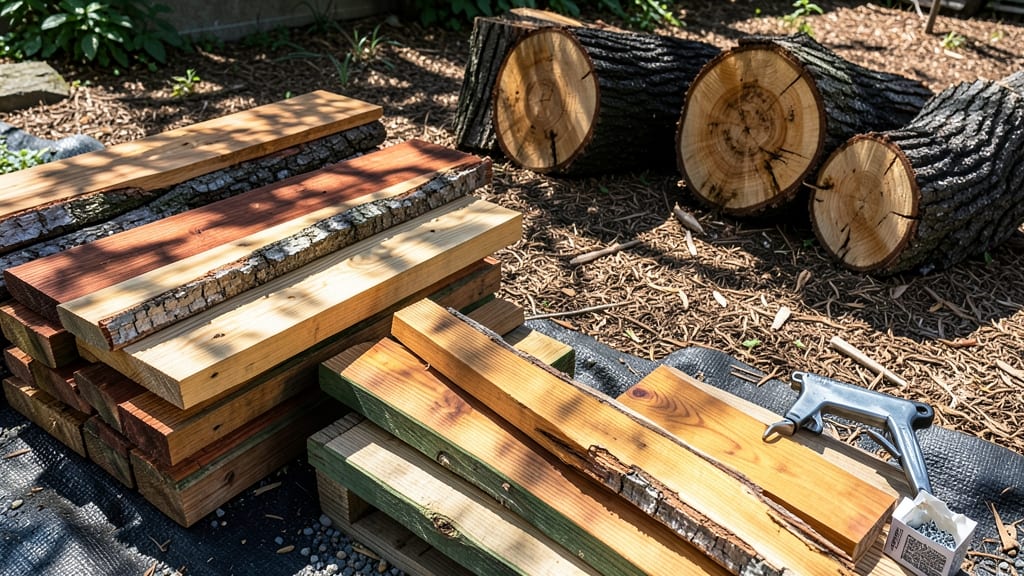
What wood to use for your garden bed is the key to a long-lasting, healthy growing space—or a frustrating, short-lived failure. Picture this: you’ve just built the perfect raised bed, only to watch it splinter and rot within a season. The wrong wood choice can turn your garden dreams into a costly mistake.
Not all woods are created equal—some resist rot naturally, while others leach chemicals into the soil. Cedar and redwood stand out for their durability and resistance, but there are budget-friendly options too.
In this guide, I’ll break down the best woods for garden beds, their pros and cons, and how to keep your bed strong for years—without harming your plants.
Top 5 rot-resistant woods for long-lasting garden beds
When building garden beds, the wood you choose makes all the difference between a 20-year structure and one that collapses in 3-5 years. Not all woods are created equal—some contain toxic chemicals, while others resist rot naturally.
My top 5 rot-resistant woods balance durability, cost, and safety for edible gardens.
First, let’s tackle the biggest misconception: pressure-treated lumber. While it’s cheap, it often contains arsenic or chromium (ACQ-treated is safer but still risky for veggie beds). Instead, opt for naturally resistant woods that won’t leach harmful chemicals into your soil.
Cedar tops my list—it’s naturally rot-resistant thanks to thujaplicin, a compound that deters fungi. It’s also lightweight and easy to work with, making it ideal for raised beds. However, its $8–$12 per board foot price tag means larger projects can get pricey.
Redwood is another heavyweight contender, prized for its rich color and natural oils that repel moisture. It lasts 15–20 years in ground contact and holds up well in wet climates. The downside? It’s even pricier than cedar at $10–$15 per board foot, and sourcing sustainable redwood can be tricky.
Now, let’s talk about the underrated champion: black locust. This hardwood is naturally decay-resistant and packed with tannins that protect against rot. It’s tougher than cedar and lasts 25+ years, but its $12–$20 per board foot cost limits its use to high-value projects.
Cypress is my budget-friendly alternative—it’s softer than cedar but still naturally resistant to rot due to its high oil content. It’s often sold as "pecker cypress" or "bald cypress" and costs $6–$10 per board foot. The trade-off? It’s not as dimensionally stable as cedar, so warping can occur in extreme moisture.
Finally, for zero-maintenance beds, consider composite lumber. Made from recycled wood fibers and plastic, it never rots, splinters, or needs staining. Brands like Trex or TimberTech offer garden-specific blends, though the $15–$25 per board foot price is steep.
The eco-friendly perk? It’s 100% recyclable at the end of its life.
If you’re building an edible garden, black locust or cedar are my top picks—they’re chemical-free and last long enough to justify the cost. For budget-conscious gardeners, cypress offers a great balance, while composite lumber is the ultimate low-maintenance choice for those willing to invest upfront.
Pro tip: Always avoid pressure-treated lumber for veggie beds—even the newer ACQ-treated versions can leach copper or chromium into your soil. Instead, seal your chosen wood with a food-safe linseed oil to extend its life by 30–50%.
Remember, the right wood isn’t just about longevity—it’s about creating a healthy growing environment for your plants. Whether you prioritize durability, cost, or eco-friendliness, my top 5 options deliver on all fronts.
How to choose wood based on your garden bed type
Not all garden beds face the same challenges. The wood you choose for your raised beds should handle constant moisture and soil contact, while container gardens need lightweight options that won’t warp.
Even in-ground frames require different considerations than above-ground structures. Let’s break down the best wood choices for each type to ensure your garden bed lasts for years.
First, consider the moisture exposure and soil contact your bed will experience. Raised beds with direct soil contact need naturally rot-resistant woods, while container gardens can handle lighter materials that won’t splinter. Budget also plays a role—some premium woods cost more upfront but save money long-term by avoiding replacements.
Here’s a quick guide to match your garden bed type with the best wood options:
-
🌱 Raised Beds (Direct Soil Contact)
- Best Choice: Cedar or Redwood
- Why? Naturally resistant to rot and insects
- Budget Pick: Black Locust (if available locally)
-
🪴 In-Ground Frames (Partial Soil Contact)
- Best Choice: Pressure-Treated Pine (ACQ or CA)
- Why? Treated to resist moisture without toxic chemicals
- Avoid: Older CCA-treated wood (arsenic risks)
-
🌿 Container Gardens (Lightweight & Low Moisture)
- Best Choice: Composite Lumber or Untreated Pine
- Why? Lightweight, affordable, and less prone to warping
- Pro Tip: Seal with food-safe liner for edible plants
For raised beds, I always recommend cedar or redwood because they naturally resist rot and insects, even when buried in soil. These woods contain natural oils that act as preservatives, making them ideal for long-term use.
If you’re on a tighter budget, black locust is a fantastic alternative—it’s one of the most durable hardwoods available but may be harder to find.
When building in-ground frames, opt for pressure-treated pine labeled with ACQ or CA preservatives. These treatments are safer for edible gardens and won’t leach harmful chemicals into the soil.
Avoid older CCA-treated wood, which contains arsenic—a serious health hazard. For extra protection, add a layer of landscape fabric between the wood and soil to extend its lifespan.
For container gardens, composite lumber or untreated pine works perfectly. These materials are lightweight, easy to work with, and won’t splinter like heavier woods. If you’re growing edibles, always use a food-safe liner to prevent any potential leaching.
This setup is also great for urban gardens where space is limited and weight matters.
No matter your garden bed type, always seal the wood with a non-toxic sealant designed for outdoor use. This extra step adds years to your bed’s life and keeps your plants thriving.
With the right wood and a little care, your garden bed will stay strong and beautiful for decades to come. 🌿