
Blooming
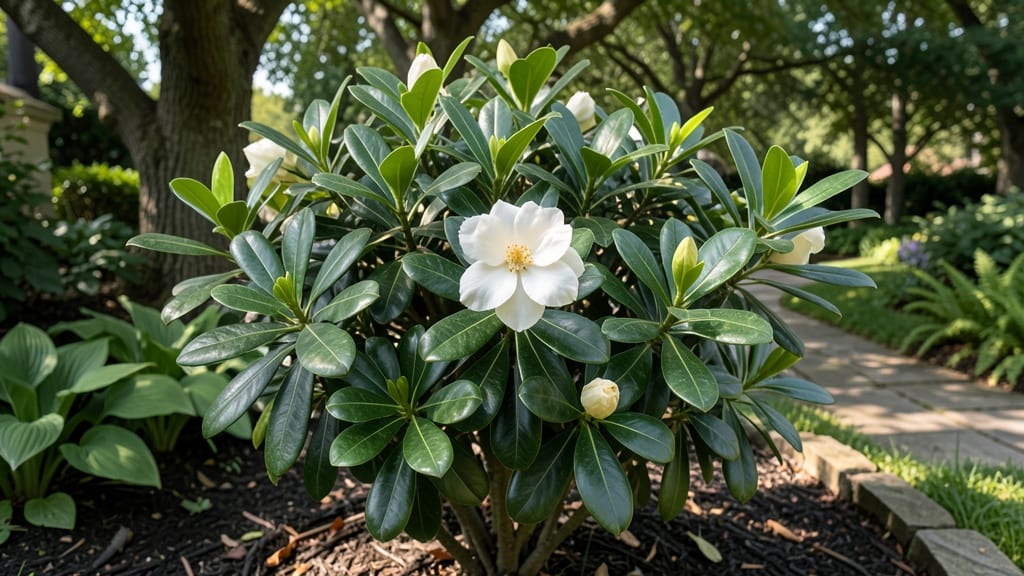
Gardenia blooms in Florida typically start in late winter, with most varieties peaking between February and June—but the exact timing depends on your region and the specific type you’re growing.
If you’ve ever wondered why your Florida gardenia bushes seem to bloom at different times—or why some varieties never produce flowers—timing is everything. Gardenias in Florida follow predictable (but varied) bloom cycles based on both their specific type and your region’s microclimate.
For example, ‘Klein’ gardenias often burst into bloom as early as January in South Florida’s warmer zones, while ‘Radicans’ may wait until April in the cooler North Florida climate.
Even a few degrees can shift the schedule by weeks, which explains why your neighbor’s gardenia might be in full glory while yours is still waiting.
In this guide, I’ll break down the exact bloom windows by variety, how Florida’s microclimates play a role, and the simple care tweaks you can make to coax earlier—or longer—flowering seasons from your 🌸 gardenias.
Gardenia bloom seasons in Florida by variety: exact months revealed
Florida’s gardenias are famous for their intoxicating fragrance, but their bloom timing varies wildly depending on the variety and your exact location. In North Florida (Zones 8b-9a), blooms often start as early as February, while South Florida (Zones 10b-11) can see flowers year-round, peaking in April and May.
The key difference? Cooler winter nights in the Panhandle trigger earlier blooming, while tropical South Florida’s warmth extends the season.
Most gardenias follow a spring-to-early-summer cycle, but some varieties like ‘Radicans’ produce sporadic blooms in fall too. Understanding these patterns helps you choose the right gardenia for your garden’s aesthetic goals—whether you want early fragrance or summer-long color.
Let’s break down the exact months for Florida’s top varieties, including regional tweaks.
🌸
| Variety | North FL Bloom Window | Central FL Bloom Window | South FL Bloom Window | Notes |
|---|---|---|---|---|
| ‘Klein’ (Dwarf) | March–June | February–July | Year-round (peaks April–June) | Early bloomer; compact size |
| ‘Radicans’ (Trailing) | April–July | March–August | February–September | Longest season; needs support |
| ‘Veitchii’ (Large) | May–August | April–September | March–October | Late but prolific blooms |
| ‘Fortuniana’ (Hybrid) | April–July | March–August | February–September | Fragrant; heat-tolerant |
| ‘Mystery’ (Compact) | March–June | February–July | Year-round (peaks March–May) | Disease-resistant; early blooms |
The ‘Klein’ gardenia is the earliest bloomer in Florida, often bursting into flower as soon as February in North Florida and January in South Florida. This dwarf variety thrives in partial shade and is perfect for containers or foundation plantings.
Its compact size (2–3 feet) makes it ideal for urban gardens where space is limited.
For summer-long blooms, the ‘Radicans’ gardenia is unmatched. This trailing variety stretches up to 6 feet and flowers from April to September in Central Florida, with even longer seasons in the Keys.
Plant it near patios or trellises to create a fragrant, cascading display. Just be prepared for its aggressive growth habit—regular pruning keeps it manageable.
If you’re after large, showstopping blooms, the ‘Veitchii’ gardenia delivers. Its flowers can reach 4 inches across and appear from May to August in North Florida, extending to March through October in South Florida.
This variety needs more space (4–6 feet tall) and benefits from afternoon shade to prevent leaf scorch.
Hybrid varieties like ‘Fortuniana’ blend the best traits of multiple gardenias, offering heat tolerance and prolonged blooming. In my Orlando garden, ‘Fortuniana’ blooms from March to August, with occasional fall flowers if temperatures stay mild. Its intense fragrance makes it a standout in mixed borders.
The ‘Mystery’ gardenia is a newer cultivar bred for Florida’s climate, combining early blooms with disease resistance. It starts flowering in February in South Florida and continues through June in North Florida.
This variety is my go-to for low-maintenance gardens—it handles humidity well and rarely suffers from the fungal issues that plague other gardenias.
🌿
Regional differences matter more than you might think. For example, Jacksonville garden
How Florida’s microclimates shift gardenia bloom timing (and how to adjust)
Florida’s gardenias are famous for their intoxicating fragrance, but their bloom timing can vary wildly depending on where you live.
In the Panhandle, cooler winters and drier air often delay blooms until late May or June, while Miami and the Keys may see flowers as early as March or April thanks to warmer coastal breezes.
Even within Orlando, inland areas can push blooming 2-3 weeks later than coastal neighborhoods.
These differences come down to three key factors: humidity levels, temperature fluctuations, and ocean proximity. Coastal gardenias experience more consistent warmth and moisture, which triggers earlier bud formation.
Meanwhile, inland plants often wait for stable 70°F+ temperatures before committing to blooms, leading to that frustrating "almost there" delay in spring.
Humidity is the silent bloom boss—too much in summer can cause buds to drop, while 60-70% humidity in spring encourages robust flowering. Inland areas like Tallahassee or Gainesville frequently dip below this ideal range, stalling blooms until summer rains return. Coastal gardeners in Fort Lauderdale or Key West rarely face this issue, but they must watch for salt spray damage from ocean winds.
If you live in a delayed-bloom zone like the Panhandle, don’t despair—you can nudge your gardenias into earlier flowering. Start by pruning lightly in February to stimulate new growth, then apply a slow-release acid fertilizer (like 8-3-9) when daytime temps hit 65°F consistently.
For coastal gardeners, the biggest challenge is often bud blast—those swollen buds that never open. This happens when humidity spikes above 75% during bud formation. My trick? Install shade cloth at 30% coverage during peak summer months to keep humidity in check.
Another regional quirk: ‘Radicans’ gardenias (the climbing variety) often bloom 1-2 weeks earlier than bush types in the same microclimate. This happens because their vining habit exposes more buds to circulating air, reducing fungal pressure.
If you’re in Orlando and want June weddings with gardenia centerpieces, plant a mix of ‘Klein’ (bush) and ‘Radicans’ (climbing)—they’ll stagger their blooms for a longer display.
Pro tip for Miami and Keys gardeners: Your gardenias might bloom year-round, but they’ll produce the most fragrant, largest flowers during cool-season flushes (November-February).
To capitalize on this, give your plants a light pruning in October and reduce watering slightly—this mimics the dry-season stress that triggers robust blooming when rains return.