
Picking
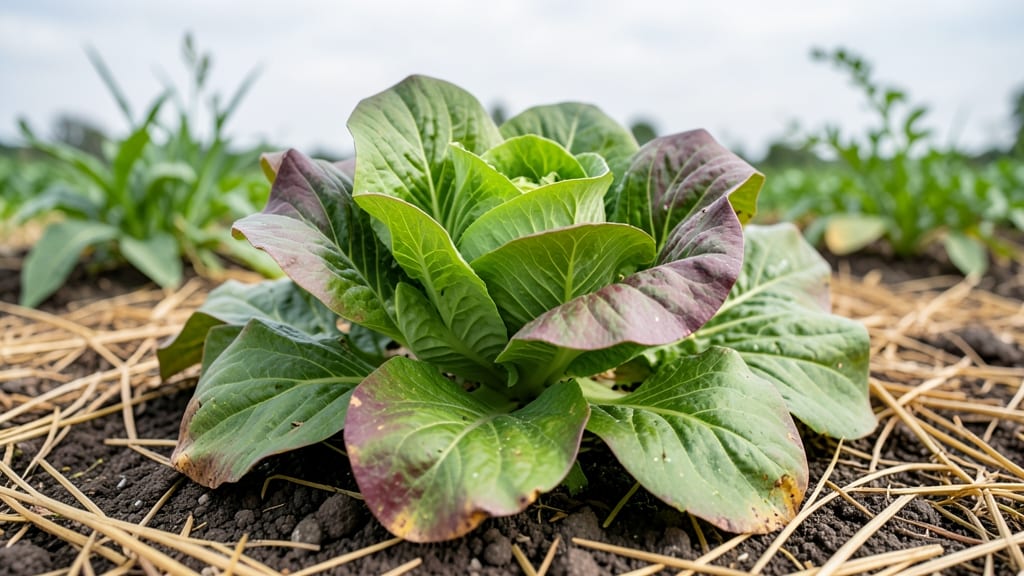
Garden lettuce is ready to pick when the outer leaves reach 4-6 inches and feel crisp, not floppy — but timing it wrong means bitter, tough greens instead of that perfect buttery texture.
Ever torn a leaf from your garden lettuce 🥬 only to find it bitter and tough instead of crisp and delicious? Timing your harvest is everything—pick too early, and you waste flavor; too late, and you lose that perfect buttery texture.
Here’s how to master the art of harvesting lettuce at its peak.
Look for deep green leaves that snap when bent, not bend like a wet paper towel. The key is catching them before the heat or drought turns them woody, which happens faster than you think in Zone 6a summers.
Below, I break down the 3-stage harvest guide, from baby leaves to full heads, plus how to cut-and-come-again for weeks of fresh greens without sacrificing quality.
The crispness test: 3 visual & texture signs lettuce is ready to pick
Harvesting lettuce at the right moment transforms your garden into a crisp, flavorful salad powerhouse. The key lies in understanding three simple visual and texture cues: leaf size, stem firmness, and color vibrancy.
When you ignore these signs, you risk bitter, tough leaves or wasted effort on underdeveloped plants. Let’s break down exactly what to look for so you never miss peak harvest time again.
First, focus on leaf size—this is your most reliable indicator. For most varieties, outer leaves should reach 4 to 6 inches long before harvesting. Smaller leaves mean the plant needs more time to develop that satisfying crunch.
I’ve learned the hard way that pulling leaves too early leads to underwhelming flavor and stunted growth, so patience pays off here.
Next, check the stem thickness. Ready-to-pick lettuce has stems that feel firm but not woody. If you can easily bend or crush the stem with your fingers, the plant isn’t mature enough.
Overly thick stems signal the lettuce has passed its prime, turning tough and fibrous—a common mistake I see in beginner gardens.
Color is your third clue: vibrant, deep green leaves are a dead giveaway for peak harvest. Pale or yellowing leaves indicate stress—whether from too much sun, drought, or poor soil nutrients.
I once grew lettuce that bolted prematurely because I ignored these color warnings, turning my salad greens into bitter, inedible stalks.
| Sign | What to Look For | Action |
|---|---|---|
| Leaf Size | Outer leaves 4-6 inches long | Harvest outer leaves first |
| Stem Firmness | Firm but not woody | Pick entire head if needed |
| Leaf Color | Deep, vibrant green | Harvest immediately |
| Texture | Crisp, not rubbery | Use for salads |
| Head Formation | Loose, compact structure | Harvest whole head |
Texture is where many gardeners trip up. The crispness test is simple: pinch a leaf between your fingers. If it snaps cleanly with a slight resistance, it’s ready.
A leaf that feels mushy or rubbery means it’s overripe or stressed. I test every leaf I harvest this way—it’s become my foolproof method for avoiding disappointment.
For loose-leaf varieties, you can harvest individual leaves as they reach maturity. This method extends your harvest season and encourages continuous regrowth. I’ve had great success with this approach, especially with varieties like Buttercrunch or Black Seeded Simpson.
Just be sure to leave the inner leaves intact to keep the plant producing.
Head lettuce, like Iceberg or Romaine, requires a different approach. Wait until the entire head forms—usually around 45 to 60 days after planting—and the outer leaves are fully elongated.
Cut the head just above the soil line, leaving the roots to encourage a second harvest if your variety is cut-and-come-again type.
Avoid the common mistake of harvesting in extreme heat. Lettuce bolts (sends up a flower stalk) when temperatures exceed 80°F (27°C). If you’re growing in summer, opt for shade-tolerant varieties like Oakleaf or harvest early in the morning when leaves are cool and crisp.
I’ve lost entire crops to bolting because I didn’t adjust my expectations for seasonal heat.
Finally, morning harvests yield the best results. Lettuce is most crisp after a cool night, so grab your shears and pick your greens before the sun peaks. This simple habit has saved my salads from the wilted, sad look that ruins even the most carefully grown lettuce.
Trust me, your taste buds will thank you.
3-Stage harvest guide: baby leaves, full heads, and cut-and-come-again methods
Harvesting lettuce isn't a one-size-fits-all process—it depends on the variety and your garden goals. Whether you're growing loose-leaf types for continuous snacks or head lettuce for salads, timing matters.
Baby leaves offer tender greens in 30-40 days, while full heads need 45-60 days to reach peak flavor. Here's how to master each stage without sacrificing future growth.
For baby lettuce, the key is patience and precision. These tiny greens are ready when leaves reach 2-3 inches long and have 3-4 mature leaves. Harvesting early ensures tender texture and prevents bitterness.
Use clean scissors or fingers to snip outer leaves, leaving the inner growth intact. This method extends your harvest window by 2-4 weeks while keeping plants productive.
- Stage 1: Baby Leaves (30-40 days) – Harvest outer leaves at 2-3 inches when 3-4 leaves form. Use scissors or fingers to avoid damaging roots.
- Stage 2: Full Heads (45-60 days) – Pick entire firm heads when 4-6 inches wide and deep green. Twist or cut 1 inch above base.
- Stage 3: Cut-and-Come-Again (After Stage 1/2) – Cut 1-2 inches above soil after harvest. Keep soil moist and shaded to regrow in 7-14 days.
When harvesting full-head lettuce, look for these telltale signs: a compact, firm shape with dark green leaves and a smooth, rounded top. The head should feel heavy for its size, indicating water content and crispness.
Cut the entire head 1 inch above the soil using a sharp knife or shears. Avoid pulling—this can damage the plant's neck and reduce future regrowth potential.
My favorite technique for continuous harvests is the cut-and-come-again method. After removing baby leaves or full heads, cut the remaining stem 1-2 inches above the soil line. Keep the area shaded with row covers and water consistently to encourage regrowth.
In ideal conditions, you'll see new leaves in 7-14 days, giving you 2-3 harvest cycles per season from a single planting.
Pro tip: For loose-leaf varieties, alternate harvesting outer leaves every 2-3 days to maintain a steady supply. This prevents overcrowding and bolting. If you notice yellowing leaves or bitter taste, it's time to harvest everything—these are signs the plant is transitioning to seed production.
Store harvested lettuce in the fridge crisper with a paper towel to keep it crisp for 5-7 days.
Remember, harvest timing depends on your climate and variety. In cooler regions, lettuce matures faster, while hot summers can cause bolting. Always check leaves for tenderness and flavor—if they pass the crispness test, it's harvest time!
With these stages mastered, you'll enjoy fresh lettuce straight from your garden all season long. 🥬