
Fertilization
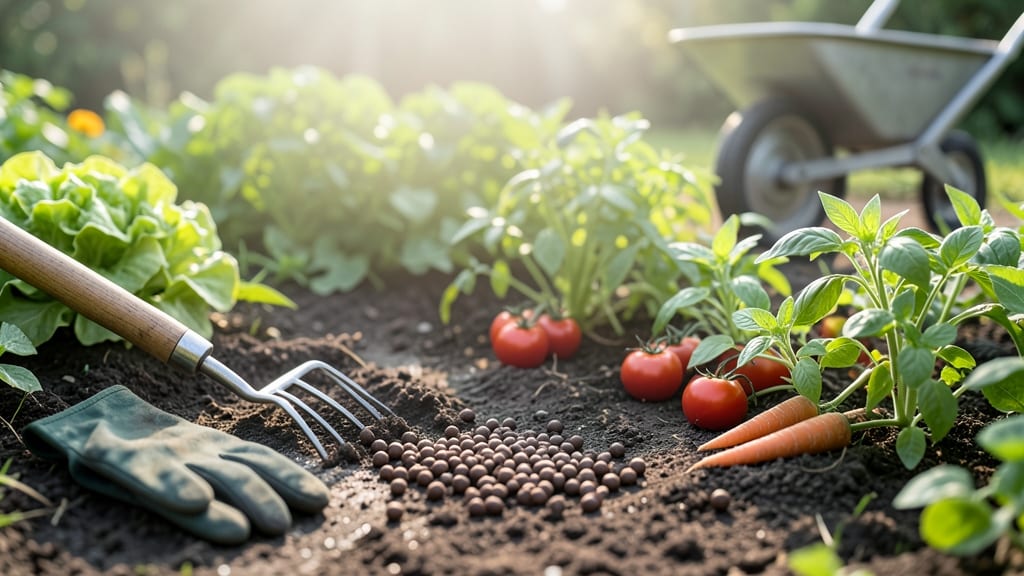
The best time to fertilize your garden is early spring and again in mid-summer 🌱 — when plants are actively growing and hungry for nutrients.
Timing your garden fertilization wrong can leave your plants starving—even with the best soil and care. I’ve seen lush gardens turn into sad, stunted shadows because the wrong timing meant nutrients were wasted or even burned roots.
Most plants need a boost when they’re waking up from dormancy in spring, and again when they’re pushing hard in summer. But the exact schedule depends on what you’re growing—vegetables, flowers, or lawn—and your local climate.
Here’s how to match your fertilization to the season, plant type, and soil needs—so you’re feeding at the perfect moment for maximum growth without overdoing it.
Seasonal fertilization schedule by plant type: spring vs summer vs fall timing
Fertilizing your garden at the right time is like giving your plants a perfectly timed meal—too early or too late, and they won't thrive. The best time to fertilize depends on the plant type and seasonal growth stages.
For example, vegetables need a nutrient boost when they're actively growing, while perennials benefit from feeding in early spring before blooming. Let's break down the science-backed schedule to maximize growth without wasting nutrients.
Regional climate plays a huge role. In cold climates, like USDA Zones 3-5, fertilization starts earlier in spring when soil warms. Meanwhile, warm climates (Zones 8-10) can fertilize year-round with adjusted timing.
The key is matching fertilizer application to the plant's natural growth rhythms—whether it's leafy greens, flowering perennials, or fruiting vegetables.
For vegetables, the best time to fertilize starts in early spring when you plant seeds or transplants. Use a balanced fertilizer (like 10-10-10) to kickstart growth. Then, every 3-4 weeks, switch to a high-nitrogen feed (like 20-5-5) for leafy greens or a phosphorus-rich formula (like 5-10-10) for fruiting plants.
In fall, reduce feeding to avoid late-season growth that won't harden off before frost.
Perennials follow a different rhythm. Feed them in early spring before new shoots emerge to support root development. Then, after the first flush of blooms in summer, give them another boost to encourage a second flowering.
In fall, only fertilize if your climate stays mild—most perennials go dormant and don't need winter feeding. Slow-release fertilizers are ideal here to avoid nutrient spikes that can burn roots.
Annuals are the easiest to time because their lifecycle is short. Fertilize at planting with a starter fertilizer (high in phosphorus), then again in 4-6 weeks when they're actively growing.
For flowering annuals, switch to a phosphorus-heavy feed (like 5-10-10) to promote blooms. Skip fall fertilization—most annuals won't survive winter anyway, and you'll just waste nutrients.
Lawns have their own schedule. In early spring, apply a high-nitrogen fertilizer when grass starts greening up. Then, every 6-8 weeks through summer, keep feeding to maintain growth.
The most critical time is fall—6-8 weeks before your first frost—for cool-season grasses like fescue and ryegrass. Warm-season grasses (like Bermuda) need their last feeding in early summer instead.
Regional adjustments matter. In warm climates, like Florida or California, you can fertilize year-round with lighter applications in winter. But in cold climates, like Minnesota or Vermont, focus on spring and fall feeding.
Always check your soil's pH level first—most vegetables prefer 6.0-7.0, while blueberries need 4.5-5.5. A simple soil test kit (around $15) can save you from guessing.
Pro tip: Water deeply before and
5 Critical signs your garden needs fertilizer (and when to act)
Your garden whispers when it's hungry—you just need to listen. Yellowing leaves, stunted growth, or poor flowering aren't just random problems; they're nutrient deficiency red flags. I've seen firsthand how a simple soil test followed by targeted fertilization can transform struggling plants into thriving powerhouses.
The key? Acting at the right time, not just when you notice the damage.
Most gardeners wait until their plants look sick before fertilizing, but that's like feeding your kids only when they're starving. Preventative feeding in early spring and mid-summer gives plants the nutrients they need to grow strong from the start.
For example, my tomato plants show early signs of nitrogen deficiency in late May—leaf edges curling and pale green leaves—so I fertilize with a balanced 10-10-10 right before the first flowering stage.
When Is the Best Time to Fertilize Your Garden?
- Early Spring (March-April): First feeding after soil warms (50°F+). Use compost or balanced fertilizer to kickstart root growth.
- Pre-Bloom (May-June): High-phosphorus feed for flowering plants. My roses get a 5-10-5 dose when buds form.
- Mid-Summer (July-August): Slow-release granules for veggies. Avoid high-nitrogen after July to prevent late-season growth.
- Post-Harvest (September): Light organic feed for fall crops. Stop fertilizing 6 weeks before first frost.
- Winter (October-February): No fertilization. Let soil rest unless growing winter greens like kale.
Let's break down the 5 critical signs your garden needs fertilizer, and exactly when to act. First on the list: yellowing leaves starting at the bottom. This classic nitrogen deficiency appears when your plants can't support new leaf growth.
In my zucchini patch, I've seen this by early June—so I apply alfalfa meal or fish emulsion immediately, followed by a second feeding 2 weeks later.
Second, watch for stunted growth where new shoots appear but stay tiny. This often means phosphorus or potassium deficiency, crucial for root and flower development. My peppers show this in late June, so I switch to a 0-10-10 fertilizer and water deeply to help uptake.
The key timing here is before flowering—don't wait until you see buds!
Third, poor flowering or fruiting is your garden's way of screaming for phosphorus. I've had tomato plants with leaves but no fruit—turns out they needed a bone meal boost in early July.
The rule here: fertilize when you see flower buds, not after they've formed. For annuals like marigolds, a light feeding every 4 weeks keeps blooms coming all summer.
Fourth, purple or red leaf undersides indicate phosphorus deficiency, common in cool-season crops like lettuce. I've seen this in my spinach by late April, so I apply rock phosphate and mulch heavily to retain moisture.
The best time to act is before bolting—once your greens start going to seed, they won't recover.
Finally, weak stems or leaf drop often means potassium deficiency. My herbs like basil show this in August heat, so I switch to a potassium-rich fertilizer like greensand. The golden rule: Never fertilize stressed plants—water deeply first, then feed lightly.
And always avoid fertilizing in extreme heat (above 90°F) or when frost is forecast within 48 hours.