Fertilization
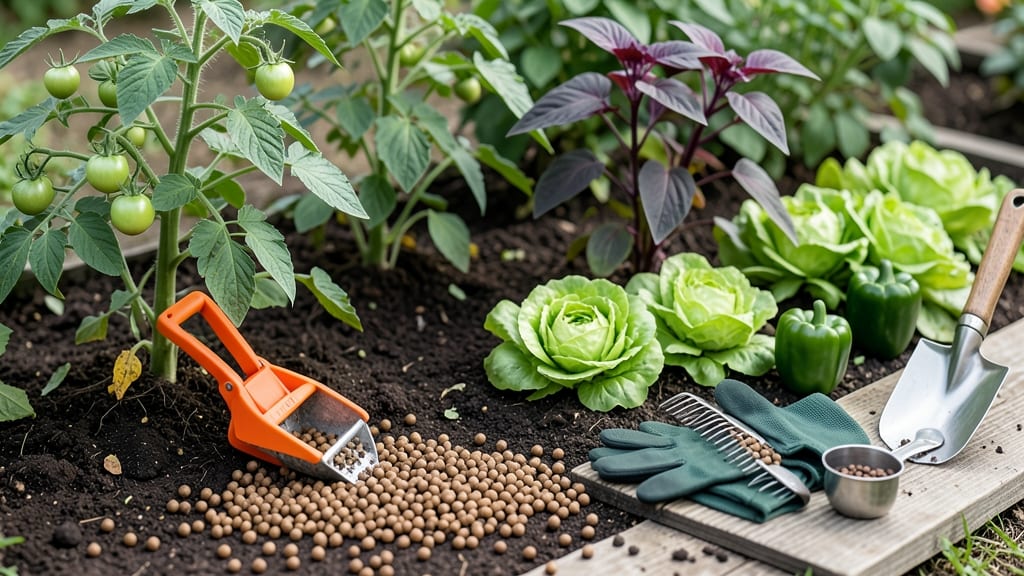
Should you fertilize your garden when it’s just waking up in spring or when the soil is already warm and active?
Timing your garden fertilization wrong can mean wasted nutrients—or worse, stunted plant growth. But get it right, and you’ll unlock lush blooms, bumper crops, and healthier soil year after year.
Most gardeners skip fertilizing in winter, but early spring is actually the best time to kickstart growth for perennials and vegetables. The key is matching your schedule to plant life cycles—annuals need feeding at planting and again mid-season, while perennials thrive with a slow-release boost in late winter.
In this guide, I’ll break down the exact month-by-month timing for your region, how to read plant signals (like yellowing leaves or sluggish growth), and whether organic compost or synthetic blends work better for your soil. Let’s grow what you plant!
Best fertilization schedule by plant type and season
Fertilizing your garden at the wrong time is like watering a plant after it’s already wilted—it’s too late for the real benefits.
The best fertilization schedules align with your plants' natural growth cycles and seasonal needs. Vegetables need a boost when they’re actively producing, while perennials benefit from early spring feeding to kickstart their season. Even your lawn has specific windows for optimal nutrient uptake, usually in early spring and fall.
Understanding these timelines ensures your plants get the right nutrients when they need them most.
Before diving into schedules, test your soil every 2-3 years to check for deficiencies. A simple pH test (aim for 6.0–7.0 for most plants) and nutrient analysis will tell you if you need to adjust your fertilization plan.
For example, tomatoes thrive with a slightly acidic soil (pH 6.0–6.8), while blueberries need a more acidic environment (pH 4.5–5.5). Soil testing also helps you avoid over-fertilizing, which can burn roots or pollute groundwater.
Now, let’s break down the best fertilization timelines by plant type and season. This summary-table covers vegetables, flowers, lawns, and perennials, including when to feed and what to avoid.
For vegetables, timing is everything. Feed leafy greens like lettuce and spinach with a nitrogen-rich fertilizer in early spring to encourage rapid growth. However, switch to a potassium-heavy blend when fruiting vegetables like tomatoes and peppers start setting fruit.
Over-fertilizing with nitrogen at this stage can lead to excessive foliage but fewer tomatoes. Always water fertilizers deeply into the soil to prevent root burn.
When it comes to flowers, the goal is to promote blooming, not leafy growth. Use a low-nitrogen, high-phosphorus fertilizer in early spring to encourage strong root development and abundant flowers.
Avoid fertilizing late in the season, as new growth won’t have time to harden off before winter. Roses, for example, benefit from a monthly feeding during their blooming season but should be left alone in late summer to prepare for dormancy.
Lawn care follows a different rhythm. Cool-season grasses like Kentucky bluegrass need their first feeding
Signs your garden needs fertilizer (and when to skip it)
Not all yellow leaves mean your plants are starving—sometimes they’re just thirsty or stressed. But if your tomatoes are producing tiny fruit or your roses have sparse blooms, those are classic nutrient deficiency red flags. The trick is distinguishing between plant hunger and other issues like poor drainage or pests.
Before reaching for fertilizer, check your soil texture and pH. Sandy soil drains too fast, while clay holds nutrients too tightly. A simple soil test kit ($15 at garden centers) reveals if your soil lacks nitrogen, phosphorus, or potassium.
If the test shows balanced levels but your plants still struggle, the problem might be micronutrient deficiencies like iron or magnesium.
⚠️ When Should I Fertilize My Garden?
Skip fertilizing if:
- Soil is already rich (dark, crumbly, and full of organic matter)
- Plants show signs of over-fertilization (brown leaf edges, white crust on soil)
- Drought conditions (fertilizer burns roots when soil is dry)
Feed now if: New growth is slow, leaves are pale yellow (not brown), or plants are producing less fruit/flowers than expected.
For vegetable gardens, the best time to fertilize is at planting and again when plants are half their mature size. For example, peppers need a phosphorus boost when they flower, while leafy greens like spinach respond to nitrogen-rich feeds.
Perennials, however, benefit from a slow-release fertilizer applied in early spring before new growth appears.
Watch for root-bound plants in containers—they often show signs of hunger faster than in-ground plants.
If roots circle the pot or grow through drainage holes, it’s time to repot with fresh, nutrient-rich soil. Evergreens also need regular feeding, especially in USDA zones 5-7, where winter stress depletes soil nutrients faster.
Organic fertilizers like compost tea or fish emulsion release nutrients gradually, reducing burn risks. Synthetic fertilizers, on the other hand, provide immediate but short-term boosts. If you’re unsure, start with a balanced 10-10-10 fertilizer and adjust based on plant response.
Over-fertilizing is easier to fix than under-fertilizing—just flush the soil with water if you suspect excess.
Remember: Healthy soil = healthy plants. If your garden’s soil is already fertile (tested pH 6.0-7.0 and dark in color), you might only need a top-dressing of compost every year. The key is observing your plants weekly and matching their needs to the season—not the calendar.