
Planting
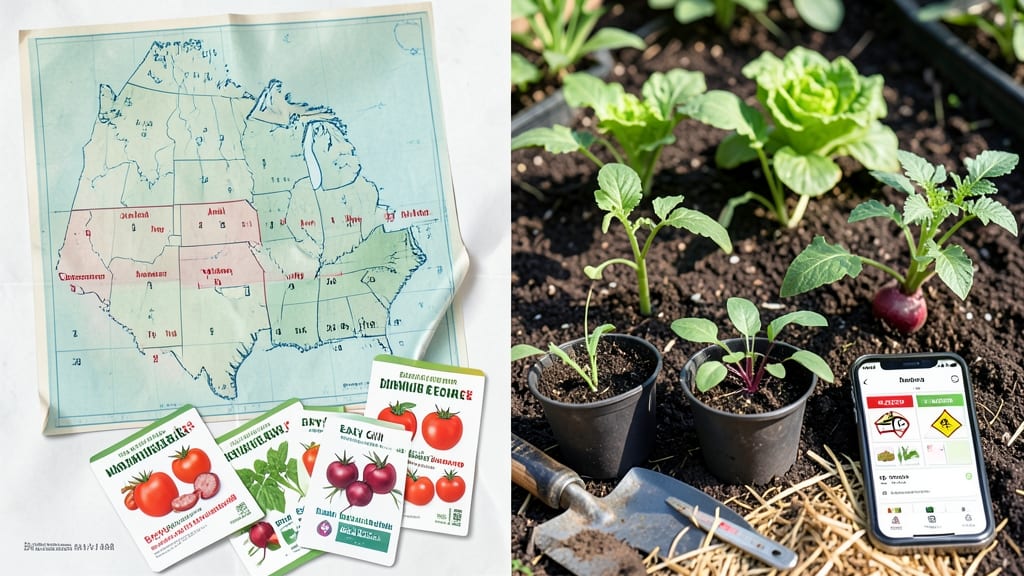
Should you plant your garden in Michigan when the calendar says spring or when the soil says it’s ready? The answer depends on whether you’re growing frost-tolerant greens or heat-loving tomatoes.
Michigan’s unpredictable spring weather can turn a gardener’s excitement into frustration—plant too early, and frost kills your tender seedlings; too late, and summer crops struggle to mature. Timing your garden right means the difference between a bountiful harvest and wasted effort.
From the Upper Peninsula’s cooler climate to the Lower Peninsula’s longer growing season, Michigan’s USDA Zones 5-6 demand precision. Start cold-hardy crops like spinach and peas 4-6 weeks before your last frost, while tomatoes and peppers need to wait until after May 15 in most regions.
In this guide, I’ll break down the exact planting windows for your region, share soil prep tips to jumpstart growth, and reveal how succession planting can extend your harvest well into fall. Let’s get your garden off to the right start!
Michigan’s planting zones: when to start seeds indoors vs. direct-sowing outdoors
Michigan spans USDA Hardiness Zones 5 and 6, with cold snaps lasting into May and first frosts arriving as early as mid-September in some regions.
These zones create a delicate balance—cold-hardy crops like spinach and peas thrive with early starts, while frost-sensitive plants like tomatoes need precise timing to avoid late-season failures. Understanding your specific zone and last-frost-date averages is the key to avoiding common mistakes like overwintered seedlings or underdeveloped summer harvests.
The Upper Peninsula (Zone 5) typically experiences 10-14 days later last frosts than the Lower Peninsula (Zone 6), meaning gardeners in Traverse City or Marquette have a shorter growing window. Meanwhile, southern Michigan—like Ann Arbor or Detroit—can start planting 2-3 weeks earlier than northern regions.
This regional difference explains why direct-sowing outdoors in March might work for peas in Zone 6 but spells disaster for tomatoes in Zone 5.
To simplify planning, I’ve broken down the ideal planting windows for both indoor seed starting and direct outdoor sowing, tailored to Michigan’s zones. Whether you’re a beginner gardener or a seasoned pro, these timelines help you avoid frost damage while maximizing your harvest.
Let’s dive into the specifics so you can time your garden like a pro.
| Plant Type | Zone 5 (Upper Peninsula) | Zone 6 (Lower Peninsula) | Notes |
|---|---|---|---|
| Cold-Hardy Crops (Spinach, Peas, Lettuce) | Direct sow: Mid-April to May 15 Indoor start: March 1-15 |
Direct sow: Early April to May 1 Indoor start: February 15-March 1 |
Tolerates light frost; use row covers for extra protection. |
| Frost-Sensitive Crops (Tomatoes, Peppers, Cucumbers) | Indoor start: March 15-April 15 Outdoor transplant: May 20-June 1 |
Indoor start: March 1-April 1 Outdoor transplant: May 1-May 15 |
Wait until soil temps >50°F; use black plastic mulch to warm soil. |
| Root Vegetables (Carrots, Beets, Radishes) | Direct sow: April 15-May 10 Successive plantings every 2 weeks |
Direct sow: April 1-May 1 Successive plantings every 2 weeks |
Loosen soil to prevent forked roots; keep evenly moist. |
| Onions & Garlic | Plant sets: April 15-May 1 From seed: March 1-April 15 |
Plant sets: April 1-May 1 From seed: February 15-March 15 |
Use well-draining soil; harvest before bulbs mature in summer. |
For Zone 6 gardeners in southern Michigan, the last-frost date averages around May 15, giving you a head start on warm-season crops. This means you can start tomatoes indoors by March 1 and have them ready for transplant by early May.
In contrast, Zone 5 gardeners in the Upper Peninsula should delay indoor starts until mid-March to avoid overwintered seedlings that get leggy from insufficient light.
One of my biggest mistakes early on was planting tomatoes too soon in Zone 5, only to watch them wilt from a late May frost. Now, I use frost-free date calculators from local weather stations (like the NOAA’s Midwest Regional Climate Center) to fine-tune my schedule.
For example, in Traverse City (Zone 5), I wait until May 20 to transplant peppers, while in Detroit (Zone 6), I can safely move them out by May 10.
If you’re unsure about your exact last-frost date, a simple trick is to plant a sacrificial row of radishes in early April. Radishes sprout quickly and signal when the soil is consistently warm enough for frost-sensitive crops.
Another pro tip: harden off seedlings for at least 7-10 days before transplanting outdoors, especially in windy Michigan
Cold-hardy vegetables that thrive in Michigan’s early spring planting
Michigan’s early spring can be tricky—frost lingers, soil stays cold, and impatient gardeners risk losing tender plants. But with the right cold-hardy vegetables, you can start planting as soon as the ground is workable, often 4-6 weeks before your last frost date.
These resilient crops not only survive chilly temperatures but often taste sweeter after a frost. The key is knowing which varieties to choose and when to plant them for maximum success.
For Michigan gardeners, the ideal soil temperature for early spring planting is 40-50°F, which typically occurs in March or early April in most regions. The Upper Peninsula may wait until late April, while southern Michigan can start earlier.
Understanding these timing differences ensures your seedlings aren’t shocked by late frosts. Let’s dive into the top 10 frost-tolerant vegetables that will reward you with early harvests.
- 🌱 Peas – Plant 4-6 weeks before last frost (soil 40°F). Sugar snap and snow peas tolerate light frosts.
- 🥕 Carrots – Sow 2-3 weeks before last frost (soil 50°F). Thin seedlings to 2-3 inches apart for straight roots.
- 🥬 Spinach – Direct-sow 3-4 weeks before last frost (soil 45°F). Baby leaf varieties mature faster.
- 🥬 Lettuce – Plant 3-4 weeks before last frost (soil 40°F). Use row covers for extra frost protection.
- 🥬 Kale – Sow 4-6 weeks before last frost (soil 45°F). Curly kale and Lacinato handle frost beautifully.
- 🍓 Radishes – Plant 2-3 weeks before last frost (soil 40°F). Ready in 3-4 weeks—perfect for quick gratification!
- 🥬 Swiss Chard – Direct-sow 3-4 weeks before last frost (soil 50°F). Harvest outer leaves to prolong production.
- 🥕 Beets – Sow 3-4 weeks before last frost (soil 50°F). Thin to 3 inches apart for full-sized roots.
- 🥬 Arugula – Plant 3-4 weeks before last frost (soil 40°F). Bolt-resistant varieties like ‘Astro’ work well.
- 🌱 Onions – Start 6-8 weeks before last frost (soil 40°F). Use sets or transplants for faster results.
To extend your harvests, use succession planting. For example, sow radishes every 2 weeks for a continuous supply, or thin carrots gradually to avoid overcrowding. Most of these crops can also be planted in late summer for fall harvests, giving you two growing seasons from a single planting.
Just monitor your local frost dates—the Michigan State University Garden Hotline (1-800-648-0508) is a great resource for updates.
Pro tip: Amend your soil with compost before planting to improve drainage and warmth. Cold soil slows germination, so consider using black plastic mulch to raise soil temperatures by 5-10°F.
This trick works especially well for slow-starting crops like carrots and beets. With these cold-hardy picks, you’ll be harvesting fresh greens and roots long before summer heat arrives.
Don’t forget to protect young plants with frost cloth if a late frost is forecasted. Even the hardiest crops can bolt or suffer damage if temperatures drop below 20°F. Happy planting—your early spring garden will thank you with a bountiful start! 🌱