
Fertilization
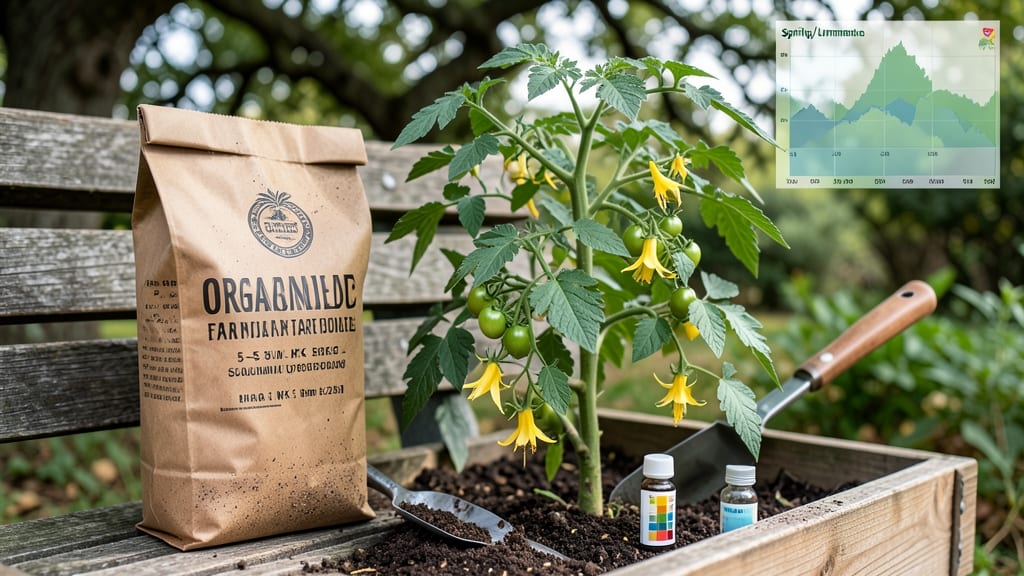
You should fertilize your garden when plants are actively growing—not before they need it, and never when they’re dormant.
That’s the golden rule most gardeners miss, and it’s why your tomatoes might be leafy but fruitless or your perennials struggle to bounce back year after year. The secret? A soil test reveals exactly when your plants crave nutrients, and it’s not always what the package says.
Spring is the prime time for most General Garden 🌱 plants in Zone 6a, but vegetables like tomatoes and peppers need a mid-season boost, while perennials might prefer a fall feeding.
Overdo it, and you’ll burn roots; skip it, and you’ll stunt growth. Below, I break down the perfect schedule for every stage—plus how to read your soil’s hunger signals.
No more guessing: learn the exact timing to feed your garden for bigger blooms, sweeter veggies, and stronger roots—without wasting a dollar or a drop of fertilizer.
Soil test results: the exact timing to fertilize for maximum plant growth
Got your soil test results back but unsure what they mean for your fertilization schedule? Those N-P-K numbers (nitrogen, phosphorus, potassium) aren’t just random—they’re a roadmap to peak plant growth.
I’ll break down how to read them and when to apply fertilizer for vegetables, flowers, and lawns, including adjustments for cold vs. warm climates.
First, nitrogen (N) fuels leafy growth, phosphorus (P) boosts root and flower development, and potassium (K) strengthens disease resistance. Your soil test will show current levels—if they’re low, it’s time to supplement strategically. For example, tomatoes need more phosphorus during flowering, while grass thrives with nitrogen-rich feeds in spring.
Here’s the golden rule: Fertilize when plants are actively growing. For cool-season crops like lettuce or broccoli, that’s early spring or fall. Warm-season plants like peppers or marigolds need feeding after the last frost. Your USDA zone matters too—Zone 5 gardeners should fertilize earlier than Zone 9.
| Plant Type | Ideal Fertilization Window | Soil Test Targets | Climate Adjustments |
|---|---|---|---|
| Vegetables (e.g., tomatoes, peppers) | Spring (after last frost) + every 4-6 weeks | N: 100-150 ppm, P: 40-60 ppm, K: 150-200 ppm | Warm climates: Start feeding in March; cool climates: Wait until May. |
| Flowers (e.g., roses, marigolds) | Early spring + bloom time (P-heavy) | N: 50-100 ppm, P: 60-100 ppm, K: 100-150 ppm | Perennials: Feed in spring only; annuals: Feed monthly. |
| Lawns (cool-season grasses) | Early spring + fall (N-heavy) | N: 200-300 ppm, P: 30-50 ppm, K: 100-150 ppm | Warm-season lawns: Feed in late spring and summer. |
| Herbs (e.g., basil, parsley) | Light feed every 3-4 weeks (N-light) | N: 50-80 ppm, P: 30-50 ppm, K: 80-120 ppm | Container herbs: Fertilize weekly with half-strength feed. |
| Trees/Shrubs (established) | Early spring (K-heavy) | N: 30-60 ppm, P: 20-40 ppm, K: 100-200 ppm | Newly planted: Feed once in spring; mature: annually. |
Let’s say your soil test shows low phosphorus (P). For vegetables, apply a bone meal or phosphorus-rich fertilizer at planting, then again when flowers form. Lawns, however, need nitrogen—so a spring feed with a high-N fertilizer (like 30-0-4) will give them that lush green boost.
Timing is everything: Over-fertilizing in summer can burn roots, while skipping fall feeds for cool-season crops means missed growth. I recommend side-dressing (applying fertilizer beside plant roots) for tomatoes and corn in June-July, then switching to a low-N, high-K feed in late summer to prep for winter.
For organic gardeners, compost tea or fish emulsion (high in N) work well in spring, while wood ash (potassium-rich) is great for fall applications. Synthetic fertilizers like 10-10-10 are faster-acting but require precise timing—always water before and after applying to avoid root burn.
Pro tip: If your soil pH is off (too acidic or alkaline
Seasonal fertilization schedule: when to feed based on plant life cycles
Timing your fertilizer applications to match your plants' natural growth cycles is the secret to a thriving garden. Annuals like tomatoes and marigolds need frequent feeding, while perennials such as lavender benefit from a slow-release approach.
Vegetables often require N-P-K adjustments depending on whether they're leafy, fruiting, or root crops. The key? Align your feeding schedule with each plant's active growth phases.
Spring is your prime fertilization window—just as new growth emerges, typically 4-6 weeks after the last frost. This is when roots establish and leaves expand, making them hungry for nitrogen-rich fertilizers.
Summer demands a lighter touch to avoid burning plants during heat stress, while fall can be a second chance for root development before winter dormancy. Understanding these cycles prevents wasted fertilizer and maximizes plant health.
🌱 Monthly Fertilization Guide
- 🌱 March-April (Early Spring): Pre-planting - Work compost or balanced 10-10-10 fertilizer into soil 2-4 weeks before planting annuals.
- 🌿 May-June (Active Growth): First feeding - Apply high-nitrogen fertilizer when plants reach 3-4 inches tall (e.g., tomato plants).
- ☀️ July-August (Flowering/Fruiting): Bloom boost - Switch to low-nitrogen, high-phosphorus (e.g., 5-10-10) for flowers/fruits. Feed every 4-6 weeks.
- 🍂 September (Late Summer): Root strengthening - Use potassium-rich fertilizer (e.g., 5-5-10) for perennials and fall crops like kale.
- ❄️ October-November (Fall): Light touch - Only fertilize newly planted perennials with slow-release organic matter (e.g., worm castings).
- ❄️ December-February (Winter): Rest period - Skip fertilizing unless growing winter greens (e.g., spinach) in mild climates.
💡 Pro Tip: Organic fertilizers (like compost tea) release nutrients slower—ideal for perennials, while synthetic granules work faster for hungry annuals.
For vegetables, the rule is simple: feed at planting, then again when they're half their mature size.
Leafy greens like lettuce thrive on nitrogen-heavy fertilizers, while tomatoes and peppers need phosphorus boosts when flowers appear. Perennials like roses and daylilies benefit from early spring and late summer feedings to support their two-year growth cycle.
Organic gardeners swear by compost tea or fish emulsion applied every 4-6 weeks, while synthetic users prefer granular slow-release fertilizers. Always water deeply after feeding to move nutrients into the root zone.
Over-fertilizing in summer can lead to leaf burn or blossom drop, so follow the "less is more" rule during heatwaves.
Adjust your schedule based on your USDA zone—cooler climates may delay spring feeding until after the last frost, while Zone 10+ gardens can fertilize year-round. Always monitor your plants: dark green leaves mean they're happy, while yellowing or crispy edges signal over-fertilization.
A little planning now means bigger blooms and bigger harvests all season long.
Start with a soil test to avoid guessing—this tells you exactly what nutrients your garden craves. For most home gardens, a balanced 10-10-10 fertilizer in spring followed by targeted feedings (like 5-10-10 for flowers) is a foolproof strategy.
Happy feeding—your plants will thank you with vibrant growth and abundant yields! 🌿