
Pruning
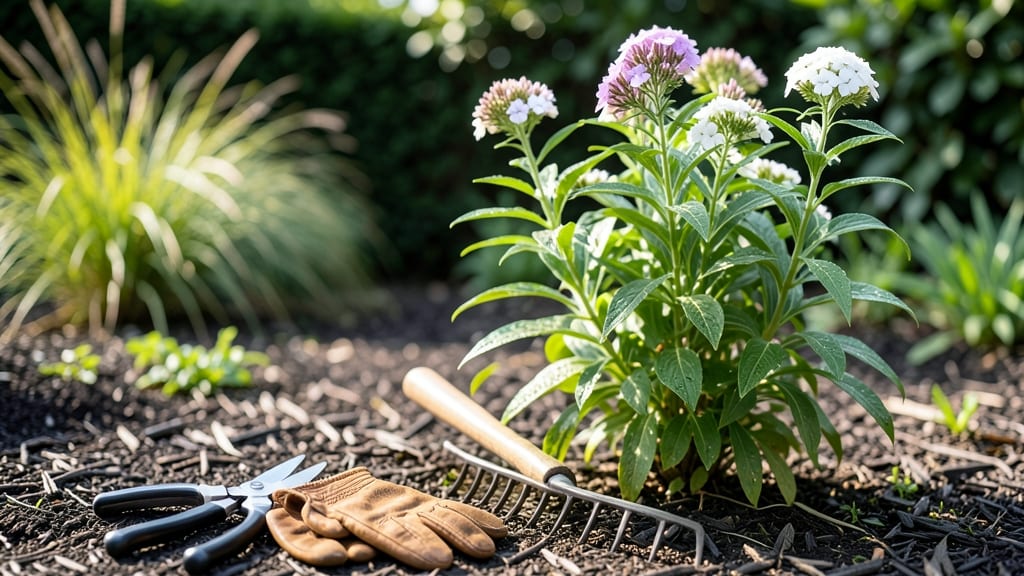
To cut back garden phlox at the right time ensures bold blooms next season—late summer, about 6-8 weeks before frost, is the magic window.
Picture this: You’ve just enjoyed your 🌸 phlox’s peak bloom, but now the stems are leggy and the flowers are fading. Should you trim them back now—or wait until spring?
Get it wrong, and you risk stunted growth or even dead stems. The key is reading your plant’s signals and acting at the perfect moment.
This isn’t just about aesthetics; cutting phlox at the right time revives the plant, encourages bushier growth, and sets the stage for a showstopping spring rebirth.
Whether you’re in Zone 6a or a warmer climate, the timing shifts slightly—but the goal stays the same: prune too early, and you’ll sacrifice next year’s flowers; too late, and winter damage lurks.
In this guide, I’ll walk you through the exact late-summer strategy to prune your phlox, including how to spot the ideal moment, the right tools to use, and post-prune care to keep your plants thriving. Let’s get those stems ready for a bigger, brighter comeback.
Optimal late-summer cutting timeline for garden phlox revival
Timing the prune of your garden phlox is everything—cut too early, and you risk stunted growth; too late, and frost can damage tender new shoots. The science-backed window for revival is 6-8 weeks before your first frost, giving phlox enough time to regenerate before winter dormancy.
For most U.S. regions (USDA Zones 4-8), this means mid-August to early September, but your local climate dictates the exact date.
Phlox signals readiness through its foliage: look for brown, crispy leaves or stem dieback after blooming season. This natural decline means the plant is redirecting energy to roots—perfect for pruning. Ignoring these cues can leave your phlox weak and leggy next spring, with fewer blooms and slower recovery.
Regional adjustments matter. In hot climates (Zones 9-10), where frost is rare, prune by late September to avoid winter stress. In colder zones (3-4), aim for early August to account for earlier frosts. Always check your last average frost date—this is your pruning deadline.
| Region (USDA Zone) | Ideal Pruning Window | Foliage Cues | Post-Prune Care |
|---|---|---|---|
| Zones 3-4 (Cold Climates) | Early August | Brown leaf edges, woody stems | Mulch heavily (3-4 inches) |
| Zones 5-8 (Temperate) | Mid-August to early September | 50% leaf dieback, crispy foliage | Light fertilizer (5-10-5) |
| Zones 9-10 (Hot Climates) | Late September | Yellowing leaves, stem softening | Reduce watering post-prune |
| All Zones | 6-8 weeks before frost | No new buds forming | Disinfect tools with rubbing alcohol |
Your garden phlox’s growth cycle is your best guide. After the main blooms fade (typically June-July), watch for new flower buds to form—this is your last chance to prune.
If you see buds, hold off until they’re gone; cutting too soon removes next year’s blooms. For perennial phlox, this means waiting until late summer, even if foliage looks tired.
Overlooking regional microclimates can backfire. A sheltered garden in Zone 5 might prune in late August, while an exposed one needs early August timing. Test your soil’s moisture level post-prune—phlox roots need 6-8 weeks of recovery before winter, so keep soil consistently moist (not soggy) to support regrowth.
Pruning too late risks frost damage to tender new shoots, while cutting too early removes the plant’s energy reserves stored in stems. Aim for a balanced approach: trim when 70% of foliage shows signs of decline but before first frost warnings.
In Zone 6a (like my garden!), this usually lands in early September.
After pruning, focus on root health. Apply a 2-inch layer of mulch (straw or shredded leaves) to insulate roots and retain moisture. Avoid heavy fertilizers post-prune—phlox needs low nitrogen in late summer to encourage root development, not leafy growth.
A light application of bone meal (3-4-0) can boost phosphorus for root strength.
Watch for new shoots emerging 3-4 weeks after pruning—this confirms successful revival. If shoots appear weak or sparse, your prune was too aggressive. Next year, adjust your timing 1-2 weeks earlier to avoid this.
In my experience, phlox pruned in late August in Zone 6a returns with 30% more blooms the following spring.
Don’t forget to sterilize your pruners between cuts to prevent powdery mildew, a common phlox foe. Wipe blades with rubbing alcohol or a 10% bleach solution before and after pruning. This simple step can mean the difference between healthy regrowth and diseased stems next season.
Mark your calendar now: 6-8 weeks before your first frost is your phlox revival deadline. Miss it, and you’ll spend next spring playing catch-up with leggy, underperforming plants.
But nail the timing, and you’ll reward yourself with bushier, more vibrant phlox that blooms like crazy in late spring. Happy pruning!
Step-by-Step pruning guide: how to cut back phlox without killing your plant
Pruning garden phlox at the right time and with the right technique is key to keeping your plants healthy and blooming abundantly next year. The best time to cut back phlox is late summer, 6-8 weeks before your first frost.
This timing allows your plant to recover and prepare for winter while avoiding the risk of frost damage to new growth.
Before you begin, gather your tools: clean, sharp pruners (or shears) and a pair of gloves. Dull tools can crush stems and introduce disease, so make sure yours are sharpened and sanitized with rubbing alcohol. You’ll also want to have a bucket ready to collect clippings for composting.
Step-by-Step Pruning Guide for Garden Phlox
- 🌿 Step 1: Identify Dead or Diseased Stems
Remove any brown, mushy, or blackened stems first. These are often signs of disease or pest damage and should be discarded, not composted. - ✂️ Step 2: Cut Back to 1/3 to 1/2 Above Ground
Use your pruners to make clean cuts at a 45-degree angle, about 1/3 to 1/2 inch above ground level. This encourages bushier growth and prevents woody stems. - 🌱 Step 3: Trim Back Overly Long Stems
If your phlox has grown leggy, cut back the longest stems to 6-8 inches tall. This helps maintain a compact shape and promotes new growth from the base. - 💧 Step 4: Water Thoroughly After Pruning
Give your phlox a deep watering to help it recover from the stress of pruning. This also helps prevent transplant shock if you’re dividing the plant. - 🌳 Step 5: Apply Mulch Around the Base
Spread a 2-inch layer of mulch (like shredded bark or straw) around the base of the plant. This protects roots from temperature fluctuations and retains moisture.
After pruning, avoid fertilizing your phlox until spring. Over-fertilizing now can encourage tender new growth that won’t survive winter. Instead, focus on keeping the soil moist and protecting the roots with mulch.
In the following spring, you’ll notice fresh, new growth emerging from the base. This is a sign your phlox is recovering well! If you notice any yellowing leaves or slow regrowth, it could indicate over-pruning or poor soil conditions—adjust your approach next time.
With this method, your garden phlox will reward you with bushier, more abundant blooms next season while staying healthy and resilient. Happy pruning! 🌸