
How To
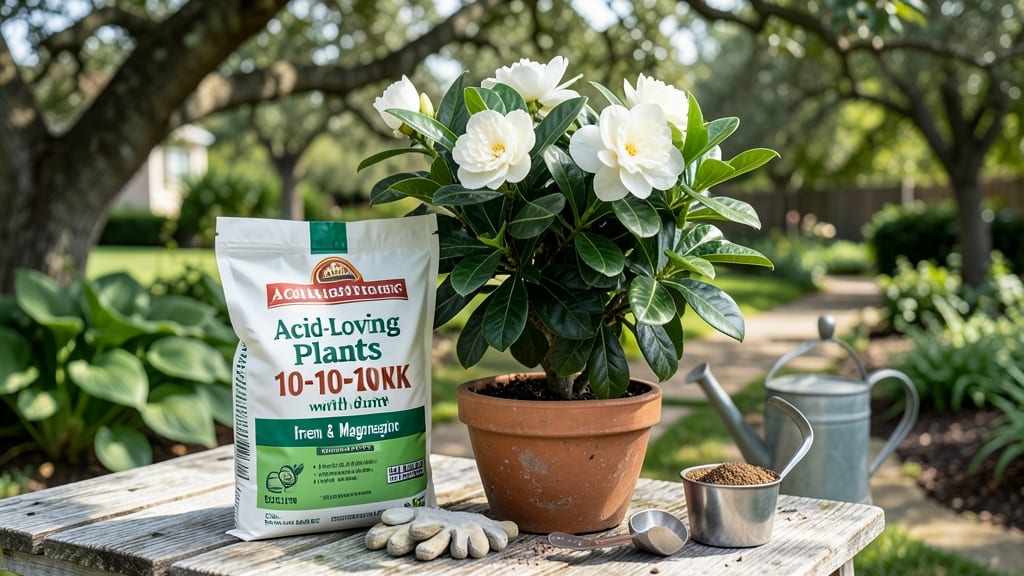
Fertilizing gardenia 🌸 at the right time is the difference between a shrub bursting with fragrant blooms and one that barely puts on a show.
Struggling to keep your gardenia blooming like a pro? Timing your fertilizer applications correctly is the secret weapon most gardeners overlook—because one wrong move can mean fewer flowers and more frustration.
If you’ve ever wondered why your gardenia looks healthy but refuses to bloom, the answer is likely tied to when—and how—you’re feeding it. Gardenias thrive on a precise schedule, and missing the window can leave your plant starving for nutrients or drowning in excess fertilizer.
In this guide, I’ll break down the exact timing for fertilizing your gardenia by season, the best types of fertilizer to use, and how to spot signs of over- or under-feeding before it’s too late.
Optimal fertilizing schedule for gardenia blooms by season
Your gardenia thrives on precise timing—feed it too early or too late, and you’ll sacrifice those fragrant blooms you love. The key? Aligning fertilizer with your plant’s natural growth cycles, which shift dramatically by season.
Indoor gardenias follow a similar rhythm but need adjustments for controlled environments. Let’s break down the science-backed schedule to maximize blooms year-round.
Most gardeners make two critical mistakes: over-fertilizing in fall/winter (when plants rest) or skipping spring feeds (when roots wake up). The result? Stunted growth or fewer flowers. Instead, focus on three active feeding windows—spring, summer, and early fall—while letting your gardenia rest in winter.
We’ll also cover how to spot nutrient deficiencies before they turn leaves yellow or drop buds.
| Season | Outdoor Gardenia | Indoor Gardenia | Frequency | Fertilizer Type |
|---|---|---|---|---|
| Spring (March-May) | Light feed when buds form | Start after last frost (or when leaves emerge) | Every 6-8 weeks | Balanced 10-10-10 |
| Summer (June-August) | Monthly feeding during bloom season | Feed every 4-6 weeks (reduce in high heat) | Every 4 weeks | Bloom booster (12-6-6) |
| Fall (September-November) | Stop 6-8 weeks before frost | Light feed only if still blooming | Every 8-10 weeks | Low-nitrogen (5-10-10) |
| Winter (December-February) | No fertilization (dormant) | No fertilization (unless growing under lights) | None | N/A |
Spring is your first critical window—start fertilizing when you spot new growth (usually late March to early April in most zones). Use a balanced fertilizer (like 10-10-10) to encourage root development.
For indoor gardenias, wait until you see fresh leaves before feeding, as they’re less affected by outdoor temperature cues. Pro tip: Mix fertilizer into the top 2 inches of soil to avoid root burn.
Summer demands monthly feeding to sustain blooming, but switch to a bloom-specific formula (e.g., 12-6-6) in June-July. Outdoor plants need more frequent watering during this time—always fertilize in the early morning to prevent leaf burn.
If your gardenia’s buds drop without opening, it’s often a sign of over-fertilization or nutrient imbalance. Flush the soil with water if you suspect excess salts.
Fall is tricky: stop fertilizing 6-8 weeks before frost to let your gardenia harden off. For indoor plants, reduce feeding if growth slows. Watch for yellowing leaves—this could signal iron deficiency (common in alkaline soils) or overwatering.
A quick soil test will tell you if you need to adjust pH with sulfur or peat moss. Never fertilize in winter unless your indoor gardenia is actively growing under grow lights.
Recognizing nutrient deficiencies early saves your blooms. Yellow leaves with green veins? That’s iron deficiency—add chelated iron. Purple stems mean phosphorus shortage (use bone meal). Brown leaf tips could be over-fertilization or chloride buildup—rinse the soil.
Always fertilize after watering to prevent root damage, and avoid contact with leaves to prevent chemical burns.
Indoor gardenias follow the same rules but with softer timing. Since they’re not exposed to seasonal changes, feed them every 6-8 weeks year-round if they’re actively blooming. Reduce feeding in winter months unless you’re using grow lights.
A slow-release fertilizer (like osmocote) works well for potted plants—just sprinkle it on the soil surface once every 3 months.
Remember: Less is more with gardenias. Over-fertilizing causes leaf drop and fewer blooms, while under
How to choose the right fertilizer type for gardenias
Gardenias thrive when you match their acid-loving nature with the right fertilizer type. Unlike many plants, they need low pH soil (around 5.0–6.5) and specific nutrients to produce those fragrant blooms.
Choosing between organic and synthetic options—and understanding NPK ratios—can make the difference between a bush full of flowers and one struggling to bloom.
I’ve tested both organic fertilizers like composted pine bark and synthetic blends with acidifying agents, and here’s the key: gardenias respond best to a balanced NPK ratio (like 10-10-10 or 12-6-6) with added iron and magnesium.
These nutrients support both leafy growth and bloom production, but the wrong mix can lead to yellowing leaves or fewer flowers.
Organic vs. Synthetic Fertilizers for Gardenias
| Type | Pros | Cons |
|---|---|---|
| Organic (e.g., peat moss, citrus fertilizer) | Slow-release, improves soil structure, acidifies naturally | Slower results, may require more frequent applications |
| Synthetic (e.g., 10-10-10 with iron) | Fast-acting, precise nutrient control, easy to measure | Can burn roots if overused, no soil benefits long-term |
Tip: Mix organic and synthetic for best results—use organic in spring to build soil and synthetic in summer for bloom boosts.
For new growth in spring, I recommend a light organic feed like composted pine bark or a citrus-based fertilizer. These options gently acidify the soil while providing nitrogen for foliage.
Once buds form in late spring, switch to a balanced synthetic fertilizer (like 12-6-6) to encourage blooming without overloading the plant with nitrogen, which can reduce flowers.
One mistake I see often is using high-nitrogen fertilizers (like those for lawns) on gardenias. These push leafy growth but stunt blooms. Instead, prioritize phosphorus (the middle number in NPK) to support root and flower development.
A phosphorus-rich fertilizer (like 5-10-5) is ideal when buds appear, but avoid it in winter when the plant is dormant.
If your gardenia’s leaves turn yellow between the veins, it’s likely iron-deficient. In this case, use a chelated iron fertilizer—these are designed to be absorbed quickly in acidic soils.
For potted gardenias, I mix a time-release fertilizer pellet into the soil at planting time to provide steady nutrients without the risk of over-fertilizing.
Remember, less is more with gardenias. Over-fertilizing leads to salt buildup in the soil, which can cause leaf drop or even plant death. Always water thoroughly after applying fertilizer to help nutrients reach the roots and rinse away excess salts.
And if your gardenia is indoor, reduce fertilizer use by half—potted plants have less soil to dilute nutrients.